Kitab al-Hawi
Compiled a comprehensive medical encyclopedia that circulated widely in Arabic, Latin, and later European medical curricula.
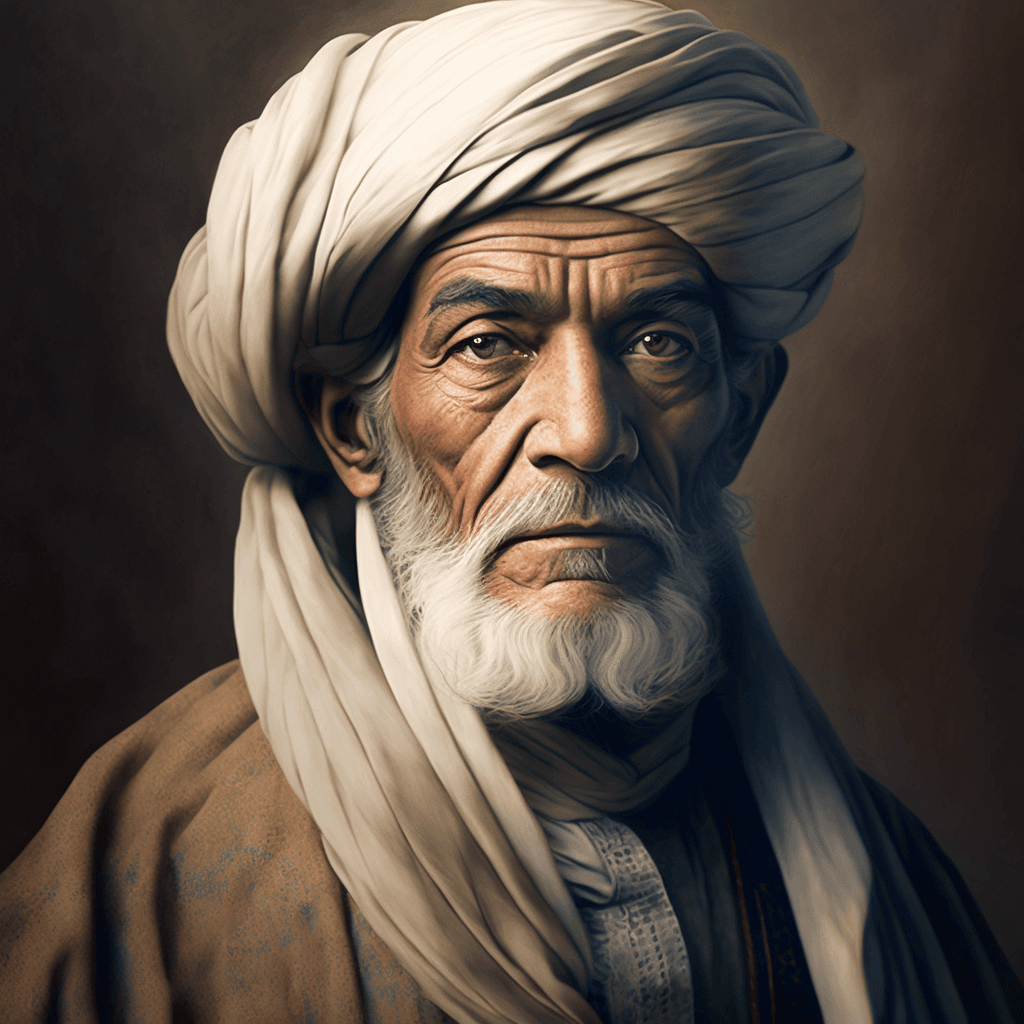
854–925
Physician • Chemist • Philosopher
أبو بكر الرازي (Abu Bakr al-Razi) وُلد في مدينة الري، مركز تجاري وعلمي مزدهر على المنحدرات الجنوبية لسلسلة جبال البرز بالقرب من طهران الحديثة، حوالي عام 854 ميلادي. نشأ في فترة نضوج الفكر خلال الخلافة العباسية، حيث دعمت بغداد والمدن الإقليمية المستشفيات وبيوت الترجمة والنقاش المستمر بين الأطباء والفلاسفة وعلماء الدين. درس الرازي الطب والرياضيات والفلك والكيمياء والفلسفة، وعمل تحت إشراف معلمين في الري وبغداد، بينما استوعب التقليد الطبي الجاليني الذي هيمن على الطب المتعلم من البحر الأبيض المتوسط إلى فارس. يذكر المؤرخون أنه درس مع علي بن ربّان الطبري، مؤلف نص طبي موسوعي، وأنه قرأ على نطاق واسع في المصادر اليونانية المتاحة من خلال الترجمة العربية. منذ بداية مسيرته، تميز بإصراره على أن الملاحظة السريرية والتجربة المتكررة يجب أن توجه العلاج بدلاً من الاعتماد غير النقدي على السلطة القديمة وحدها. عالج المرضى من جميع الطبقات الاجتماعية، واحتفظ بملاحظات مفصلة عن الحالات، وجادل بأن الطبيب الذي يرفض تعديل علاج فاشل يخون الغرض الأخلاقي للطب. وصفه المعاصرون بأنه لا يعرف الكلل في خدمة المستشفى، حيث كان يقضي أحيانًا أيامًا كاملة بجانب السرير قبل العودة إلى تجاربه الكيميائية في مختبره. كان مزاجه يجمع بين الإلحاح العملي بجانب السرير مع شك فلسفي ظهر لاحقًا في كتاباته اللاهوتية الأكثر جدلًا. على عكس الأطباء في المحاكم الذين كانوا يكيفون آراءهم لتناسب الرعاة، بنى الرازي سمعة لتشخيصه الصريح وتفضيله للعلاجات التي شهد آثارها بنفسه. بحلول منتصف العمر، كان يدير مؤسسات طبية كبرى ويجذب الطلاب من جميع أنحاء العالم الإسلامي الذين كانوا ينسخون محاضراته في دفاتر ملاحظات انتشرت لفترة طويلة بعد وفاته. تسرد المراجع القديمة العشرات من الرسائل تحت اسمه، وعبَرَت شهرته الحدود الطائفية: فقد استشهد علماء السنة والشيعة واليهود والمسيحيين بسلطته السريرية. عاش معظم حياته في الري، وعاد دوريًا إلى بغداد عندما تم دعوته للإشراف على إصلاح المستشفيات، وتوفي هناك عام 925 بعد عقود من التعليم والممارسة والبحث.
كانت إنتاجات الرازي الطبية ضخمة حتى بمعايير عصره الغزير. أصبح كتاب الحاوي، الكتاب الشامل الذي تم تجميعه بعد وفاته من دفاتر الملاحظات ومواد المحاضرات، واحدًا من أكثر الموسوعات الطبية تداولًا في العالم الوسيط، وترجم إلى اللاتينية باسم Continens ودرس في الجامعات الأوروبية حتى العصر الحديث. في كتاب في الجذري والحصبة، قدم أحد أوائل الأوصاف السريرية المنهجية التي تميز بين الجدري والحصبة، مشيرًا إلى أنماط الحمى وتطور الطفح الجلدي وعلامات التنبؤ بدقة نادرة في زمانه. كتب عن طب العيون وطب الأطفال والجراحة والمسالك البولية وعلم الأدوية وتحضير العلاجات، وغالبًا ما سجل تجاربه الخاصة وإخفاقاته عندما أثبتت المركبات عدم فعاليتها أو ضررها. كمدير للمستشفيات في الري ومستشفى المقتداري في بغداد، أعاد تنظيم الأقسام حسب فئة المرض، وأكد على النظافة والنظام الغذائي والتهوية والراحة النفسية، وعامل إدارة المستشفى كجزء من العلم العلاجي بدلاً من مجرد عمل خيري. advocated moving psychiatric patients out of chains when possible and separating contagious cases to limit spread, practices that reflected an institutional ethics ahead of many later European infirmaries. Parallel to medicine, he pursued chemical inquiry: distillation, mineral acids, the classification of substances, and the separation of practical laboratory technique from symbolic alchemical speculation. His Secret of Secrets and related chemical writings describe apparatus, solvents, and transformations with a concreteness that influenced later Islamic and Latin alchemical traditions. Colleagues admired his willingness to describe allergic reactions, occupational hazards, and environmental factors in disease, anticipating later epidemiological habits even without modern germ theory. He compiled formularies listing compound drugs, dosages, and contraindications, and he criticized physicians who prescribed costly ingredients without evidence of benefit. Latin translators in Toledo and Sicily transmitted his works alongside Avicenna, and European printers later issued editions of his treatises on smallpox that remained clinically consulted through the early modern era. Modern historians credit him with strengthening the hospital as an institution of learning, not only care, and with demonstrating how systematic observation could refine inherited Galenic categories rather than merely repeating them.
Beyond clinic and laboratory, al-Razi composed philosophical works that questioned prophecy and defended the capacity of reason to discern ethical truth independently of revelation, positions that provoked admiration and condemnation alike. In Doubts about Galen he challenged the second-century physician on logical and empirical grounds, arguing that even revered authorities err when observation contradicts their claims. His treatise On the Philosophical Life and related essays proposed that religions differ in ritual but that rational minds could converge on moral knowledge, a stance that placed him among the boldest speculative thinkers of the Islamic world. Orthodox critics accused him of excessive freethinking, yet his clinical reputation protected him from the harshest penalties that sometimes befell purely speculative philosophers. Medieval authors in Arabic, Persian, and Latin cited his clinical observations for centuries, and his name became synonymous with empirical medicine long before that term entered European languages. Jewish physicians in Cairo, Christian scholars in Toledo, and Persian court doctors all read him as an authority on fevers, poisons, and compound drugs. When Renaissance humanists debated the revival of classical medicine, Rhazes appeared alongside Hippocrates and Galen as a pillar of the canon, proof that the Islamic world had not merely preserved antiquity but advanced it. In the nineteenth century, historians of vaccination and infectious disease returned to his smallpox treatise as evidence of sophisticated premodern clinical description. Today medical historians study al-Razi as a bridge between Galenic tradition and the hospital-based medicine of later centuries, and as an early advocate of evidence-sensitive practice. Through textbooks, public health practice, and chemical method, he linked Persian intellectual life to a broader Mediterranean tradition of inquiry that shaped how later physicians approached disease, experiment, and the limits of inherited authority. His life illustrates how Abbasid civilization could produce figures equally at home among retorts, manuscripts, and fever wards, and whose writings traveled farther than any single empire could reach.
محطات بارزة في حياة هذا الشخص وإرثه
854
Born in Ray, Persia, where he later established his reputation as a physician and scholar.
c. 900
Served as director of the Muqtadari Hospital in Baghdad, applying systematic clinical organization.
c. 910
Authored a landmark treatise on smallpox and measles based on careful bedside observation.
c. 920
Composed works defending reason and critiquing uncritical reliance on inherited authority.
925
Died in Ray after decades of medical practice, teaching, and chemical research.
معالم تحدد مساهمة هذا الشخص في التاريخ
Compiled a comprehensive medical encyclopedia that circulated widely in Arabic, Latin, and later European medical curricula.
Provided one of the earliest systematic clinical descriptions differentiating smallpox from measles.
Directed major hospitals in Ray and Baghdad, organizing care by condition and stressing hygiene and dietary therapy.
Advanced distillation and mineral analysis, treating chemistry as an experimental discipline distinct from symbolic alchemy.
تفاصيل بارزة عن هذه الشخصية
كيف شكّل هذا الشخص العالم الذي ورثناه
ربط الرازي بين الطب اليوناني الكلاسيكي وتقاليد المستشفيات الإسلامية في العصور الوسطى، ثم نقل المعرفة السريرية المتطورة إلى أوروبا اللاتينية. استشار الأطباء من القاهرة إلى باريس أوصافه للأمراض، وكان إصراره على الملاحظة يتنبأ بالطب العلمي اللاحق. كما ساعد عمله الكيميائي في فصل التقنية المخبرية العملية عن التأملات الكيميائية الغامضة، مما فتح الطريق نحو علم الأدوية الحديث والعلوم التجريبية في العالم الإسلامي وما بعده.
تأثير دائم يمتد عبر الأجيال
Al-Razi bridged classical Greek medicine and the medieval Islamic hospital tradition, then transmitted refined clinical knowledge into Latin Europe. Physicians from Cairo to Paris consulted his descriptions of disease, and his insistence on observation anticipated later scientific medicine. His chemical work also helped separate practical laboratory technique from mystical alchemical speculation, opening a path toward modern pharmacology and experimental science in the Islamic world and beyond. Death in Ray (925) remains a defining moment in Abu Bakr al-Razi's enduring reputation.
ملفات أخرى من نفس العصر أو المجال
موارد تعليمية منتقاة للدراسة المتعمقة