The Analects
Collected teachings on virtue, governance, and self-cultivation, foundational to East Asian thought.
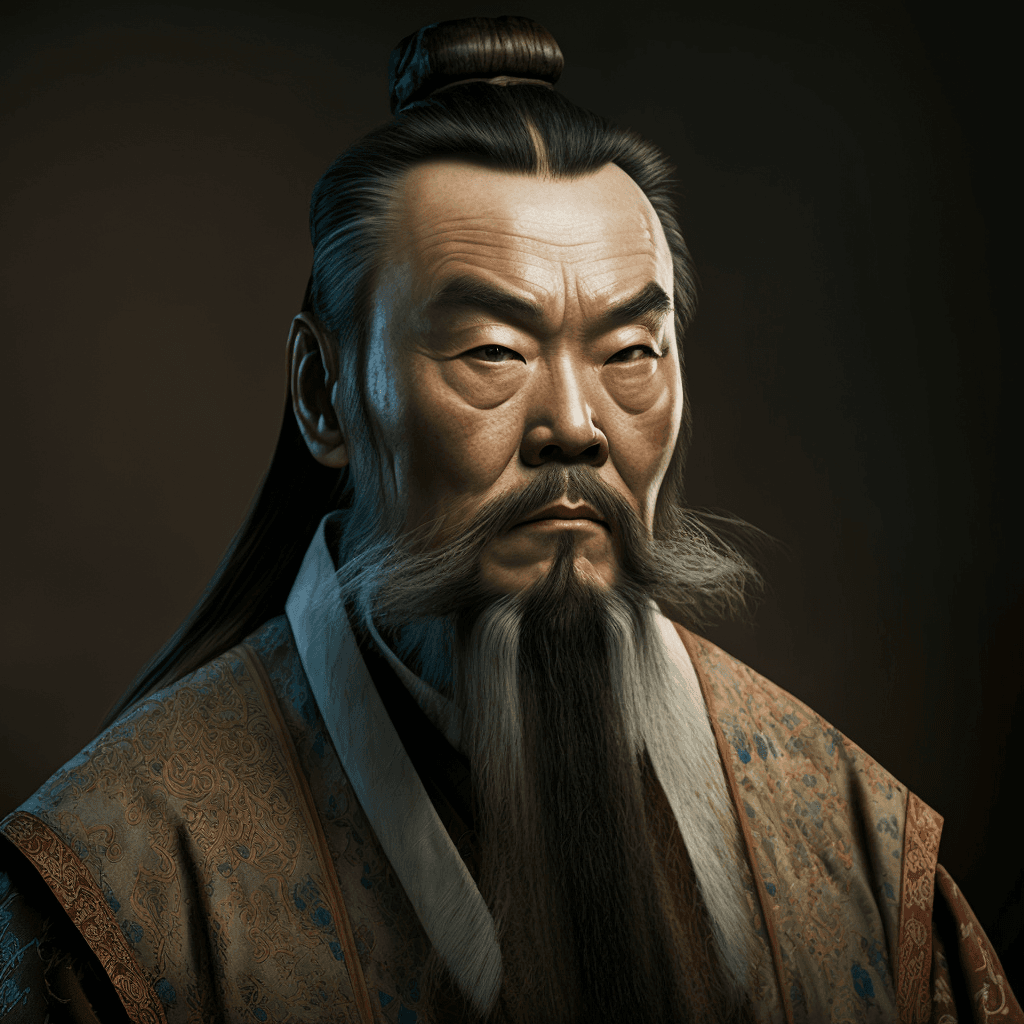
551–479 BC
Philosopher • Teacher • Moralist
كنفوشيوس (Confucius)، المعروف بالصينية باسم كونغ تشيو، وُلِد في ولاية لو خلال تراجع سلالة زو—وهي فترة من التفتت السياسي والاضطراب الاجتماعي. سعى إلى المنصب لاستعادة النظام من خلال القيادة الأخلاقية لكنه قضى معظم حياته يتنقل بين الحكام، مقدمًا نصائح غالبًا ما كانت تُهمل. كانت إرثه الحقيقي في التعليم: جمع التلاميذ الذين سجلوا محادثاته ومبادئه.
تتمحور أفكار كنفوشيوس حول "الرحمة" (الإنسانية) و"اللي" (الاحترام الطقوسي)، وزراعة "الجونزي"—الشخص النموذجي الذي يقود بالفضيلة بدلاً من الإكراه. أكد كنفوشيوس على بر الوالدين، والالتزامات المتبادلة، والتعليم كطريق لتحقيق الانسجام الشخصي والاجتماعي. كان يعتقد أنه إذا كان الحكام نموذجين للنزاهة، فإن الرعايا سيتبعون، مما يثبت استقرار المجتمع من الأسرة إلى الأعلى.
تم تجميع "الأناقت" بعد وفاته، وأصبحت النص الأساسي للكونفوشيوسية، مؤثرة في الحكم والتعليم والأخلاق الصينية لأكثر من ألفي عام. انتشرت مثُل كنفوشيوس إلى كوريا واليابان وفيتنام، مشكّلة امتحانات الخدمة المدنية، وهياكل الأسرة، ومفاهيم السلطة الشرعية. لا يزال كنفوشيوس رمزًا عالميًا للقيادة الأخلاقية والتعلم مدى الحياة.
محطات بارزة في حياة هذا الشخص وإرثه
551 BC
Born in Shandong region during an era of warring Chinese states.
522 BC
Established a school emphasizing character, history, and ritual.
497 BC
Journeyed among rulers seeking to implement ethical governance.
484 BC
Spent final years editing classics and instructing disciples.
479 BC
Mourned by followers; teachings preserved in texts that shaped civilization.
معالم تحدد مساهمة هذا الشخص في التاريخ
Collected teachings on virtue, governance, and self-cultivation, foundational to East Asian thought.
Articulated benevolence and ritual propriety as pillars of moral and social order.
Promoted learning for all capable of study, not only the aristocracy.
Argued that moral example and merit-based service strengthen states more than force alone.
تفاصيل بارزة عن هذه الشخصية
كيف شكّل هذا الشخص العالم الذي ورثناه
أعطى كنفوشيوس شرق آسيا مفردات أخلاقية دائمة للسياسة والأسرة والتعليم. بنت الصين الإمبراطورية بيروقراطيتها على امتحانات كونفوشيوسية؛ تفاعل المصلحون والثوار مع إرثه. اليوم، لا يزال تركيزه على التبادلية والاحترام وزراعة الحياة الطويلة يؤثر على النقاشات حول القيادة والمجتمع والعلاقة بين التقليد والحداثة عبر العالم الهادئ وما وراءه.
تأثير دائم يمتد عبر الأجيال
Confucius gave East Asia a durable moral vocabulary for politics, family, and education. Imperial China built its bureaucracy on Confucian examinations; reformers and revolutionaries alike engaged with his legacy. Today his emphasis on reciprocity, respect, and lifelong cultivation continues to inform debates on leadership, community, and the relationship between tradition and modernity across the Pacific world and beyond. Death (479 BC) remains a defining moment in Confucius's enduring reputation.
ملفات أخرى من نفس العصر أو المجال
موارد تعليمية منتقاة للدراسة المتعمقة