Three-Time Heavyweight Champion
Ali won the title in 1964, 1974, and 1978—the only heavyweight to regain it twice after losing the belt.
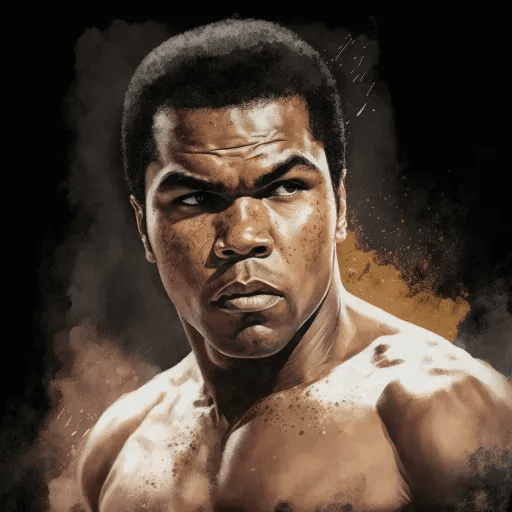
1942–2016
Boxing Champion • Activist • Global Icon
كاسيوس مارسيليوس كلاي جونيور وُلِدَ في عام 1942 في لويزفيل، كنتاكي. بدأ الملاكمة بعد أن قادته دراجة مسروقة إلى المدرب جو مارتن. فاز بميدالية ذهبية في وزن الخفيف في أولمبياد روما 1960، وبدأ مسيرته الاحترافية بتنبؤات مبهرجة وخطوات تتحدى المعايير التقليدية للوزن الثقيل. في عام 1964، هزم سوني ليستون ليحقق اللقب العالمي وأعلن اعتناقه الإسلام، متبنيًا اسم محمد علي.
رفض علي التجنيد في الجيش الأمريكي خلال حرب فيتنام، مشيرًا إلى اعتراضه الديني والظلم العنصري. تم تجريده من لقبه ومواجهة السجن، وتحدث في الجامعات بينما كان يقاتل قانونيًا ضد الإدانة، التي ألغتها المحكمة العليا في عام 1971. استعاد البطولة في معارك ملحمية - 'معركة في الغابة' ضد جورج فورمان في زائير و'ثريل في مانيلا' ضد جو فريزر.
أبطأت متلازمة باركنسون، المرتبطة على الأرجح بإصابات الحلبة، من حديثه في العقود اللاحقة، ومع ذلك ظل علي سفيرًا عالميًا، مضيئًا شعلة أولمبياد أتلانتا 1996. توفي في عام 2016 في سكوتسديل، أريزونا، وقد حزن عليه كأحد الأبطال الذين وضعوا الضمير جنبًا إلى جنب مع العبقرية الرياضية.
محطات بارزة في حياة هذا الشخص وإرثه
1942
Raised in segregated Kentucky, Clay began boxing at twelve and quickly showed precocious talent and confidence.
1964
He stopped Sonny Liston, proclaimed 'I am the greatest,' and publicly joined the Nation of Islam.
1967
Ali's conviction for refusing induction cost him his license and heavyweight title during peak athletic years.
1974
The Kinshasa bout restored his championship and demonstrated strategic adaptation against a younger, harder puncher.
2016
Ali died of septic shock linked to Parkinson's; global memorials celebrated his sports and civil rights legacy.
معالم تحدد مساهمة هذا الشخص في التاريخ
Ali won the title in 1964, 1974, and 1978—the only heavyweight to regain it twice after losing the belt.
His 1974 knockout of George Foreman in Kinshasa used the rope-a-dope tactic to reclaim the championship in Africa.
Refusing Vietnam draft induction in 1967, he sacrificed prime fighting years and became a symbol of principled dissent.
Victory in Rome launched an amateur career marked by speed and showmanship that carried into professional dominance.
تفاصيل بارزة عن هذه الشخصية
كيف شكّل هذا الشخص العالم الذي ورثناه
حوّل علي بطل الوزن الثقيل من رياضي صامت إلى شخصية عالمية صريحة. ساهم رفضه للقتال في فيتنام، واعتناقه للإسلام، وكاريزمته في تعزيز النقاشات حول العرق والدين ونشاط الرياضيين التي لا تزال تتردد في احتجاجات الرياضة الحديثة.
تأثير دائم يمتد عبر الأجيال
Ali transformed the heavyweight champion from silent athlete to outspoken global celebrity. His refusal to fight in Vietnam, embrace of Islam, and charisma advanced debates on race, religion, and athlete activism that echo in modern sports protest. Death in Arizona (2016) remains a defining moment in Muhammad Ali's enduring reputation.
ملفات أخرى من نفس العصر أو المجال
موارد تعليمية منتقاة للدراسة المتعمقة