Amarna Co-Rulership
As Akhenaten's principal queen, Nefertiti appeared prominently in temple reliefs and may have shared governing authority during the Aten cult.
c. 1370–1330 BC
Queen • Icon of Ancient Egypt
كانت نفرتيتي الزوجة الملكية العظمى للفرعون أخناتون، الذي حكم مصر حوالي 1353-1336 قبل الميلاد خلال المملكة الحديثة. اسمها يعني 'الجميلة قد أتت.' معًا، نقلوا المحكمة من طيبة إلى عاصمة جديدة، آخت آتون (العمارنة)، ورعوا عبادة قرص الشمس آتون فوق البانثيون التقليدي - وهو تحول لاهوتي قصير ولكنه جذري في تاريخ مصر.
تظهر فنون العمارنة نفرتيتي بملامح ممدودة وهيبة ملكية، غالبًا بجانب أخناتون وبناتهم تحت أشعة آتون. قد تكون قد مارست تأثيرًا سياسيًا كبيرًا؛ يقترح بعض العلماء أنها خدمت كحاكمة مشاركة أو حتى لفترة قصيرة كفرعون بعد وفاة أخناتون تحت اسم نيفرنفروأتن، على الرغم من أن الأدلة لا تزال متنازع عليها. مصيرها بعد فترة العمارنة غير معروف؛ عادت المحكمة إلى الآلهة التقليدية تحت حكم توت عنخ آمون.
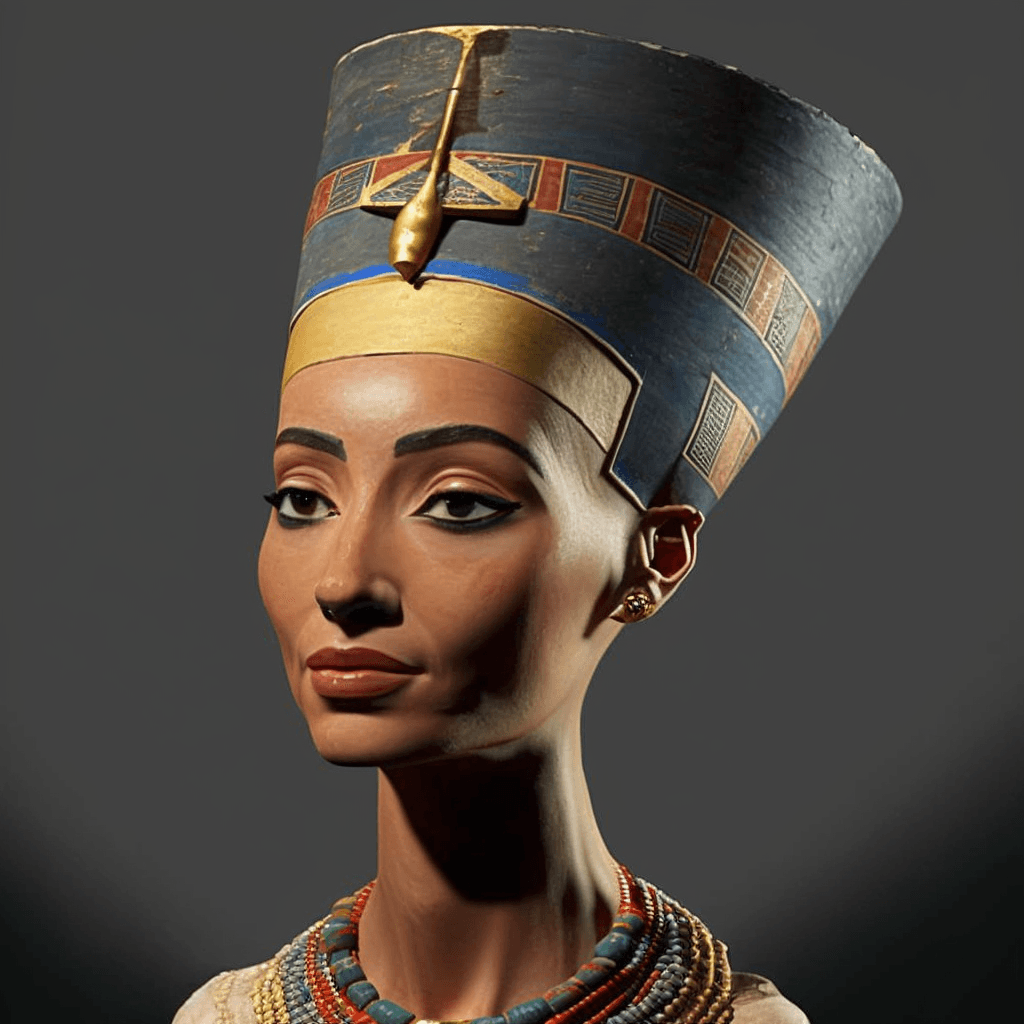
أصبح الباست الملون الذي اكتشف في عام 1912 في العمارنة على يد عالم الآثار الألماني لودفيغ بورشارد رمزًا عالميًا للجمال القديم. سواء تم قراءته كدعاية أو بورتريه، تجسد نفرتيتي التجريب الفني والديني في عهد أخناتون.
محطات بارزة في حياة هذا الشخص وإرثه
c. 1370 BC
Nefertiti became Great Royal Wife of Amenhotep IV, who later took the name Akhenaten.
c. 1345 BC
The royal couple established a new capital dedicated to the sun god Aten in Middle Egypt.
c. 1340 BC
Temples and tombs at Amarna depicted the royal family worshipping Aten in intimate, revolutionary styles.
1912
Ludwig Borchardt's team uncovered the painted bust in the workshop of sculptor Thutmose at Amarna.
معالم تحدد مساهمة هذا الشخص في التاريخ
As Akhenaten's principal queen, Nefertiti appeared prominently in temple reliefs and may have shared governing authority during the Aten cult.
She participated in the shift toward monotheistic solar worship that temporarily displaced Egypt's traditional priesthoods.
Sculptors under her court developed naturalistic, family-centered imagery distinct from earlier rigid royal portraiture.
The 1912 Berlin bust, with its symmetrical face and blue crown, became one of the most reproduced artifacts of antiquity.
تفاصيل بارزة عن هذه الشخصية
كيف شكّل هذا الشخص العالم الذي ورثناه
ت anchors صورة نفرتيتي اهتمام الجمهور بتجربة أخناتون الدينية وحرية الفن في فترة العمارنة. توضح النقاشات حول دورها السياسي واختفائها كيف تعيد مصرولوجيا بناء قوة النساء من النقوش والتماثيل المتناثرة.
تأثير دائم يمتد عبر الأجيال
Nefertiti's image anchors public fascination with Akhenaten's religious experiment and the artistic freedom of the Amarna period. Debates over her political role and disappearance illustrate how Egyptology reconstructs women's power from fragmentary inscriptions and sculpture. Bust Excavated (1912) remains a defining moment in Nefertiti's enduring reputation.
ملفات أخرى من نفس العصر أو المجال
موارد تعليمية منتقاة للدراسة المتعمقة