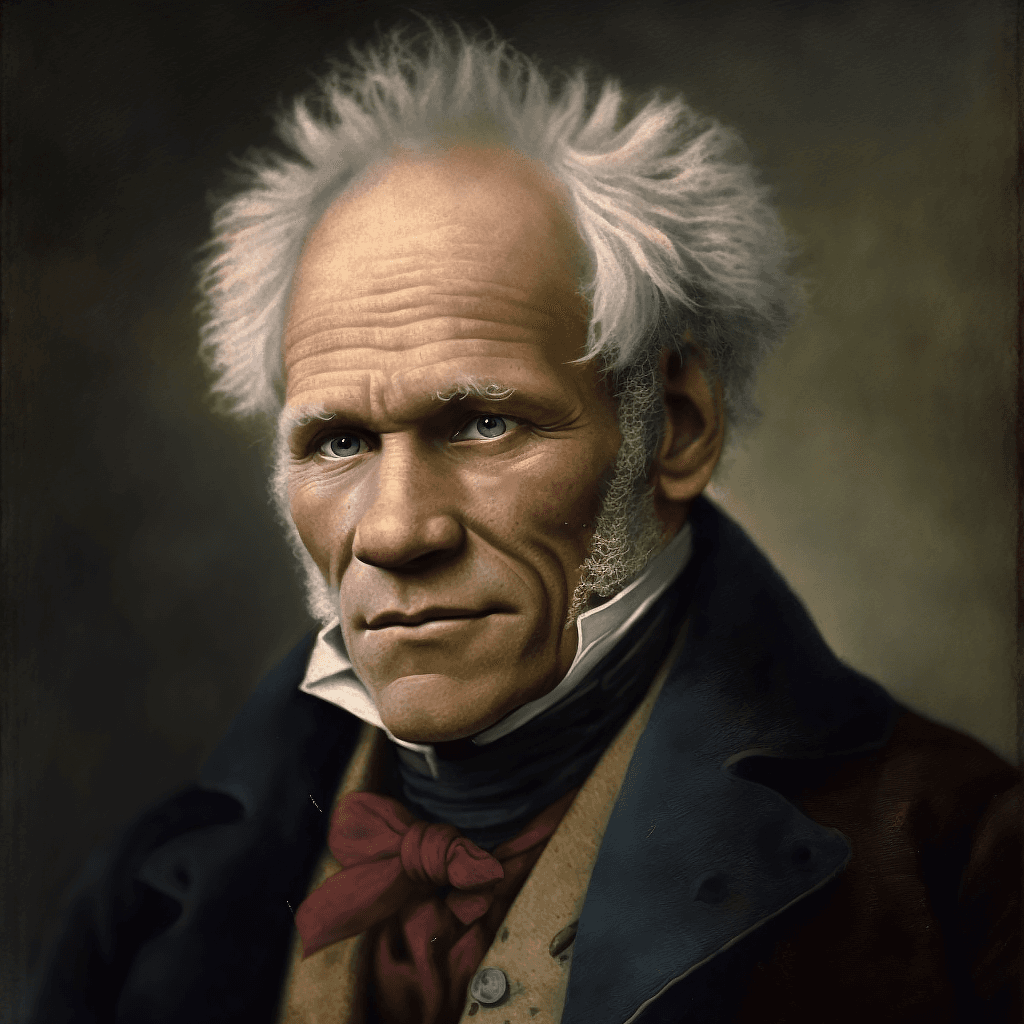
Critique of Anthropomorphic Polytheism
Argued that humans project their own forms onto gods, undermining traditional Greek mythology's moral authority.

c. 570–478 BC
Philosopher • Poet • Critical Thinker
زينوفانيس (Xenophanes) وُلِدَ حوالي عام 570 قبل الميلاد في كولوفون، أيونيا، غادر مدينته بعد الفتح الفارسي وقضى معظم حياته الطويلة كشاعر-فيلسوف متجول في المستعمرات اليونانية في صقلية وجنوب إيطاليا. كان يتلو مراثي في الندوات، منتقدًا هوميروس وهسيود لاتهامهم الآلهة بالسرقة والزنا، وجادل بأنه إذا كانت الماشية تستطيع الرسم، فإنها ستصور الآلهة كماشية.
اقترح زينوفانيس إلهًا واحدًا عظيمًا يختلف عن البشر في الجسم أو العقل - 'كل عين، كل عقل، كل أذن' - الذي يحرك كل الأشياء بالفكر وحده. كانت هذه النقد اللاهوتي تتنبأ باللاهوت الفلسفي الأحادي اللاحق والطبيعية العلمية. كما لاحظ القواقع المتحجرة في الداخل واستنتج أن اليابسة كانت تحت البحر ذات يوم، مما قدم نظرة جيولوجية مبكرة.
على الرغم من عدم بقاء أي من أعماله كاملة، فإن الشظايا التي اقتبستها مؤلفون لاحقون تكشف عن مفكر يجسر بين الشعر والفلسفة. أثر في المدرسة الإلياطية، خاصة بارمنيدس، وهجماته على الأنثروبومورفية الإلهية تردد صداها عبر سقراط وأفلاطون والتقليد الغربي للدين العقلاني.
محطات بارزة في حياة هذا الشخص وإرثه
c. 570 BCE
Grew up in Ionia during the flourishing of Pre-Socratic inquiry before Persian expansion disrupted the region.
c. 540 BCE
Left Colophon after Persian takeover, performing poetry in Greek cities of Sicily and Magna Graecia.
c. 500 BCE
Wrote satirical elegies and hymns proposing a unified, non-human god governing by mind alone.
c. 480 BCE
Noted marine fossils inland, inferring geological change—a rare empirical insight in early Greek thought.
c. 478 BCE
Tradition places his long life at roughly a century; fragments preserved by Simplicius and others ensured his posthumous influence.
معالم تحدد مساهمة هذا الشخص في التاريخ
Argued that humans project their own forms onto gods, undermining traditional Greek mythology's moral authority.
Described a single greatest god unlike mortals, moving the divine toward abstract unity and moral perfection.
Interpreted fossil impressions of seaweed and fish as evidence that land was once submerged, anticipating paleontology.
His rational method and emphasis on unity influenced Parmenides and the development of metaphysics.
تفاصيل بارزة عن هذه الشخصية
كيف شكّل هذا الشخص العالم الذي ورثناه
فتح زينوفانيس الطريق من السرد الأسطوري إلى اللاهوت النقدي والتفسير الطبيعي. إن إصراره على أن المعرفة تنمو من خلال الاستفسار بدلاً من التقليد أثر على ولادة الفلسفة الغربية ولا يزال يؤثر على النقاشات حول الدين والعلم وحدود الإسقاط البشري في وصف الإله.
تأثير دائم يمتد عبر الأجيال
Xenophanes opened the path from mythic storytelling to critical theology and natural explanation. His insistence that knowledge grows through inquiry rather than tradition influenced the birth of Western philosophy and continues to inform debates about religion, science, and the limits of human projection in describing the divine. Death in Elea or Syracuse (c. 478 BCE) remains a defining moment in Xenophanes's enduring reputation.
ملفات أخرى من نفس العصر أو المجال
موارد تعليمية منتقاة للدراسة المتعمقة