Enlightenment at Bodh Gaya
Attained awakening after meditation under the Bodhi tree, becoming the Buddha.
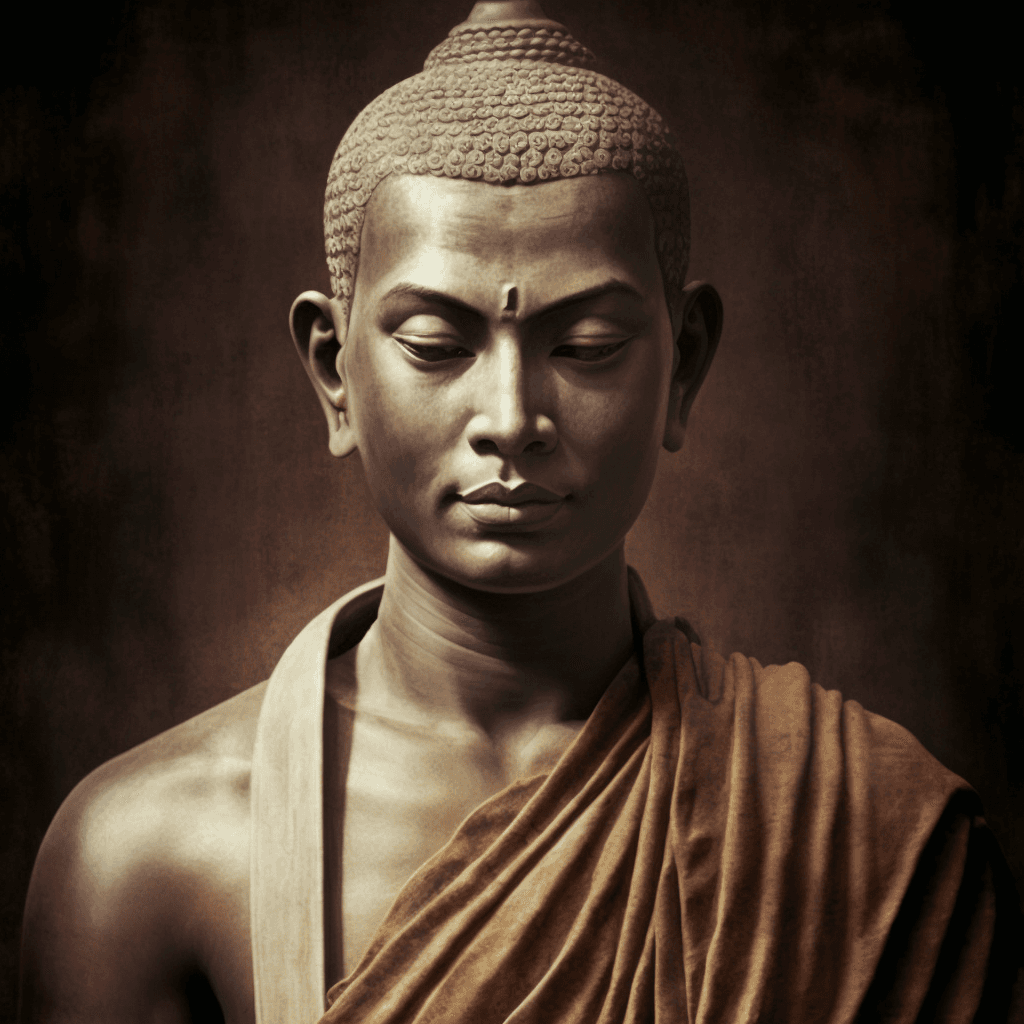
c. 563–483 BC
Teacher • Founder of Buddhism
Siddhartha Gautama was born traditionally around the fifth century BCE in Lumbini, in what is now Nepal, into the Shakya clan ruled from Kapilavastu near the border of present-day India. Legends describe his father Suddhodana shielding him from exposure to old age, sickness, and death, yet the young prince encountered a sick man, an aged man, a corpse, and a wandering ascetic, experiences that prompted his search for liberation from suffering. He married Yasodhara and fathered Rahula, then left the palace in the "Great Departure," cutting his hair and exchanging royal robes for the garb of a mendicant seeker. For years he studied with teachers Alara Kalama and Uddaka Ramaputta, mastered extreme asceticism until near starvation, and finally abandoned self-mortification as fruitless.
Seated beneath a pipal tree at Bodh Gaya, Gautama vowed not to rise until he understood the nature of suffering. After forty-nine days of meditation, tradition holds that he attained enlightenment—buddhahood—and became the Buddha, "the awakened one." At Deer Park in Sarnath he preached his first sermon on the Four Noble Truths and the Noble Eightfold Path, outlining how craving fuels suffering and how ethical conduct, meditation, and wisdom offer release. He spent forty-five years walking northern India, debating brahmins, admitting women and lower castes into his monastic order despite social protest, and organizing a sangha of monks and nuns supported by lay donors. His teachings emphasized impermanence, non-self, and compassionate action rather than ritual sacrifice or metaphysical speculation alone.
The Buddha died around 483 BCE at Kushinagar after eating a meal that may have caused food poisoning, instructing disciples that they must be lamps unto themselves and rely on the dharma, not a personal successor. Councils after his death preserved oral teachings later written as sutras in Pali and Sanskrit canons. Buddhism spread through Ashoka's empire to Sri Lanka and Central Asia, then China, Korea, Japan, and Southeast Asia, branching into Theravada, Mahayana, and Vajrayana traditions. Whether historicized or hagiographized, Gautama offered a path that treated mental discipline and ethics as interdependent, influencing psychology, art, and philosophy far beyond monasteries. His figure remains the serene reference point for one of the world's largest religious and philosophical families.
c. 563 BC — Birth at Lumbini. Born Siddhartha Gautama in the Shakya republic of ancient northern India.
c. 534 BC — Great Departure. Left palace life to seek liberation from suffering as a wandering ascetic.
c. 528 BC — Enlightenment. Achieved buddhahood at Bodh Gaya after profound meditation.
c. 528 BC — First Teaching at Sarnath. Preached the Four Noble Truths to five former companions.
c. 483 BC — Parinirvana at Kushinagar. Died after decades of teaching, entering final nirvana according to tradition.
Key moments across this figure's life and legacy
c. 563 BC
Born Siddhartha Gautama in the Shakya republic of ancient northern India.
c. 534 BC
Left palace life to seek liberation from suffering as a wandering ascetic.
c. 528 BC
Achieved buddhahood at Bodh Gaya after profound meditation.
c. 528 BC
Preached the Four Noble Truths to five former companions.
c. 483 BC
Died after decades of teaching, entering final nirvana according to tradition.
Landmarks that define this figure's contribution to history
Attained awakening after meditation under the Bodhi tree, becoming the Buddha.
Taught the Four Noble Truths and Eightfold Path, founding the Buddhist dharma.
Established monastic communities for monks and nuns supported by lay practitioners.
Rejected both luxury and extreme asceticism, advocating a path of balanced ethical practice.
Notable details about this historical figure
How this figure shaped the world we inherit
Gautama Buddha founded a tradition that shaped the spiritual, artistic, and ethical life of much of Asia, offering a psychology of suffering and liberation that continues to influence meditation practice, secular mindfulness, and comparative philosophy worldwide.
Enduring influence across generations
Gautama Buddha founded a tradition that shaped the spiritual, artistic, and ethical life of much of Asia, offering a psychology of suffering and liberation that continues to influence meditation practice, secular mindfulness, and comparative philosophy worldwide. Parinirvana at Kushinagar (c. 483 BC) remains a defining moment in Gautama Buddha's enduring reputation.
Explore more profiles from the same era or field
Curated educational resources for further study
Start a private conversation and explore their wisdom through Historical Collection AI.