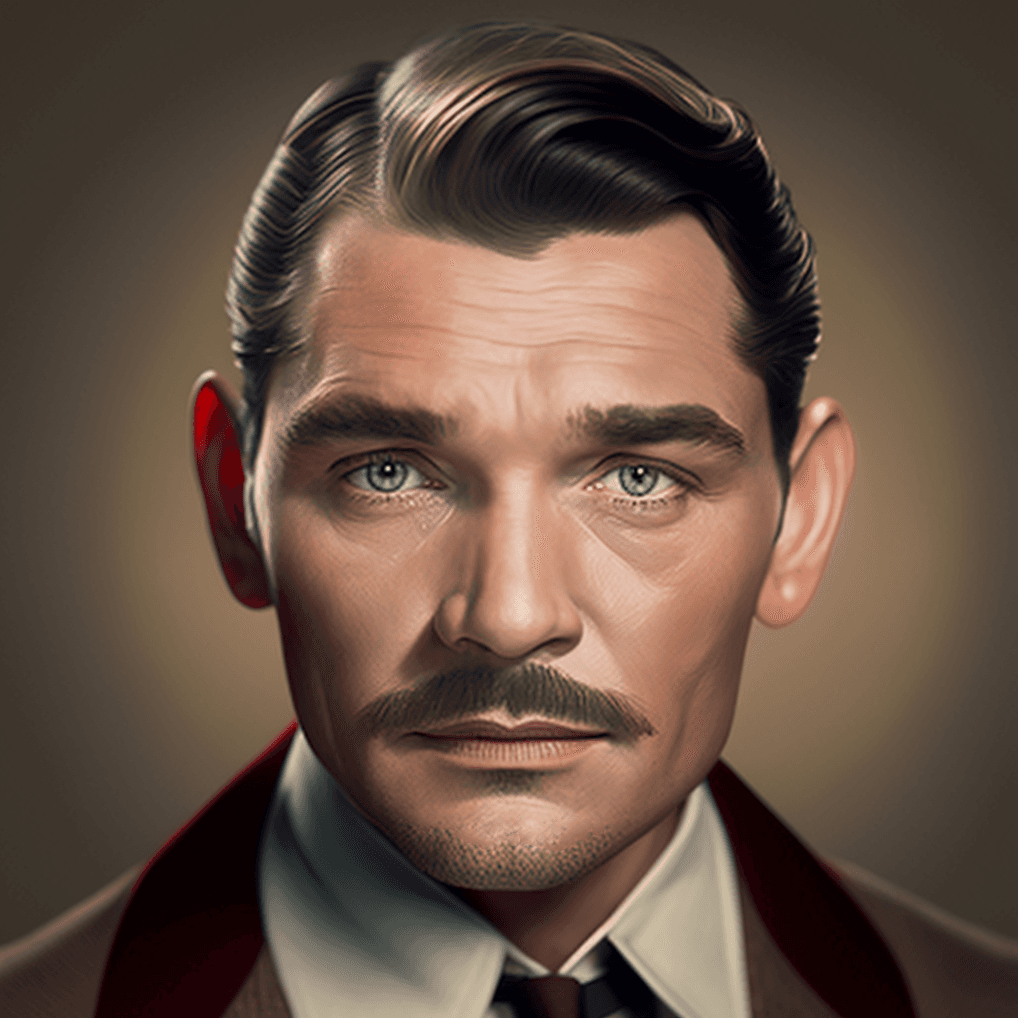
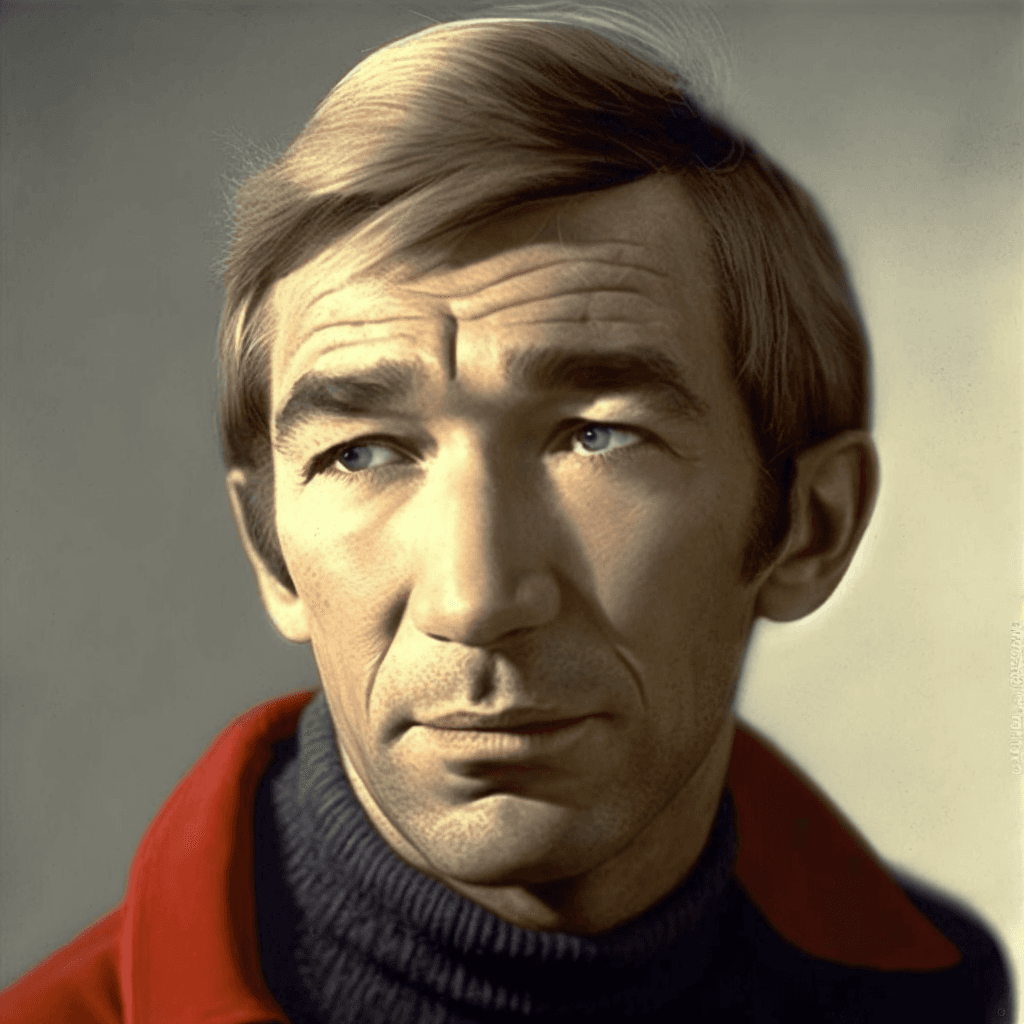
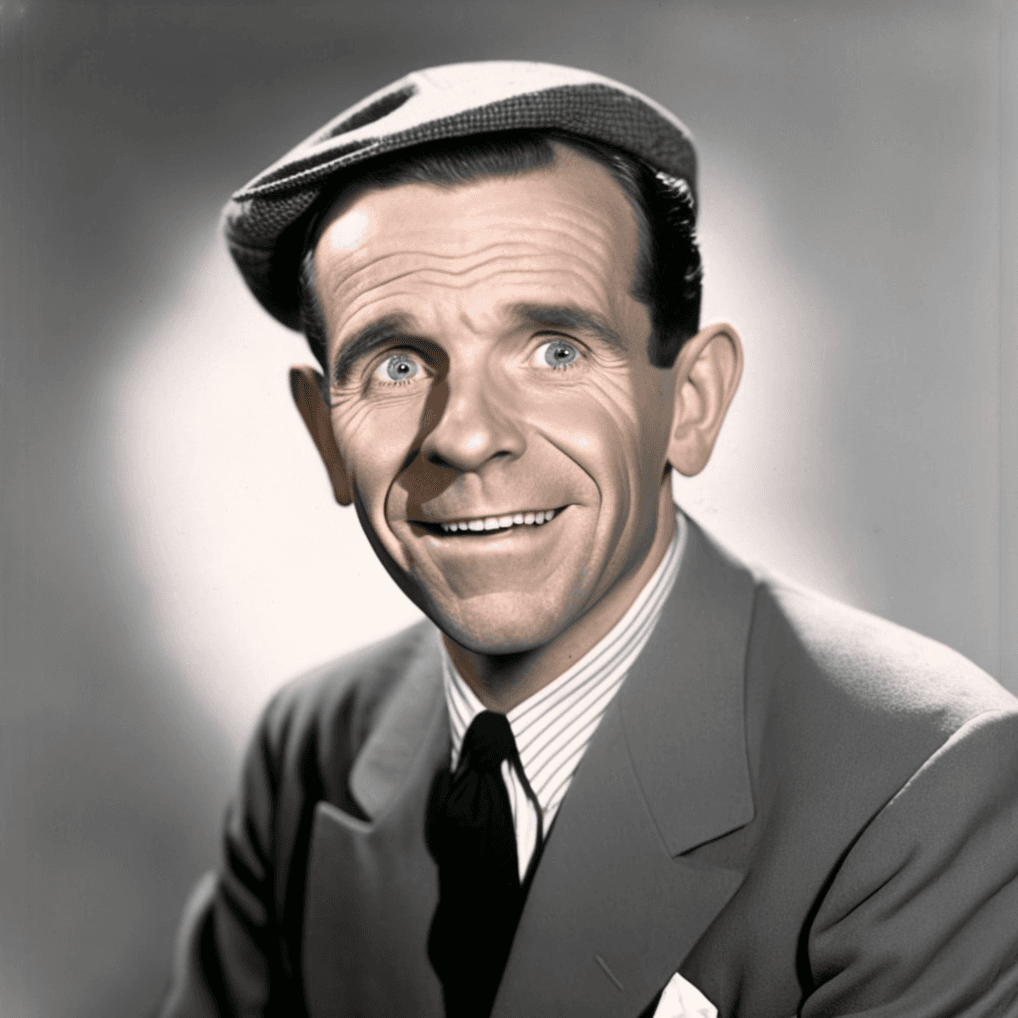
Breakout Dramatic Roles
Established stardom through Champion, The Bad and the Beautiful, and Lust for Life, earning multiple Academy Award nominations.
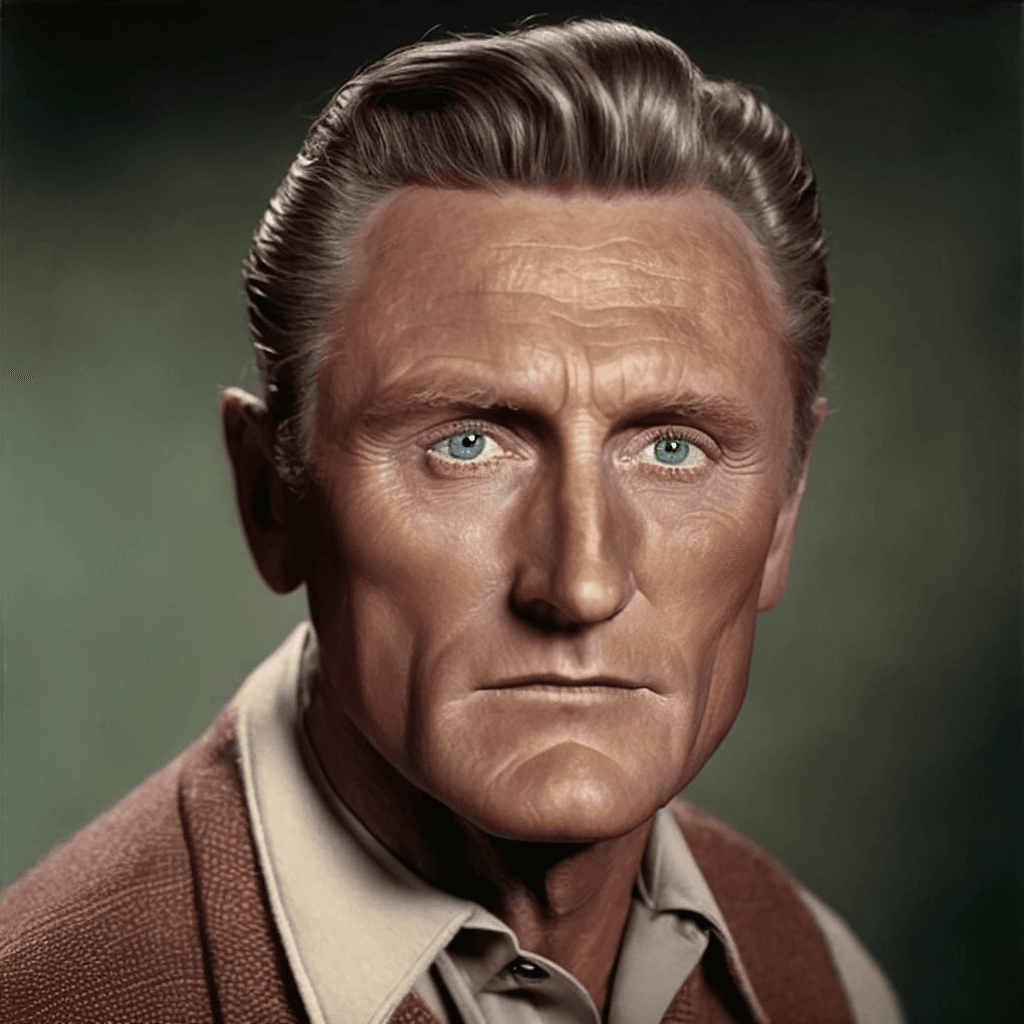
1916–2020
Actor • Producer • Hollywood Titan
Kirk Douglas was born Issur Danielovitch on 9 December 1916 in Amsterdam, New York, the son of impoverished Russian-Jewish immigrants who spoke Yiddish at home. His father sold rags and scrap; his mother struggled with mental illness, and young Issur worked dozens of jobs—from dishwasher to wrestling instructor—while fighting his way through St. Lawrence University and the American Academy of Dramatic Arts on scholarships and stubborn will. He changed his name early in his career, a decision he later described as both practical and painful, reflecting the pressure on ethnic performers to assimilate in mid-century American theater. Broadway roles in The Three Sisters and Kiss and Tell preceded a film debut in The Strange Love of Martha Ivers (1946), where his explosive physical presence immediately separated him from smoother leading men. Douglas cultivated a persona of coiled energy: jaw clenched, eyes blazing, voice capable of tenderness and fury within a single scene. He married Diana Dill in 1943 and later Anne Buydens in 1954, raising a family that included actor Michael Douglas, yet his public image remained that of a self-made fighter who refused easy sentiment.
Through the 1950s Douglas became one of Hollywood's highest-paid stars, choosing roles that tested authority rather than comfort. In Champion (1949) he played a ruthless boxer; in Ace in the Hole (1951) a cynical reporter who exploits tragedy; in Lust for Life (1956) a tormented Vincent van Gogh; and in Paths of Glory (1957) a French colonel who defends soldiers condemned for cowardice. His collaboration with director Stanley Kubrick on both Paths of Glory and Spartacus (1960) placed him at the center of politically charged cinema during the blacklist era. Douglas famously insisted that blacklisted writer Dalton Trumbo receive screen credit for Spartacus, a risky move that helped break the industry's silence around persecuted artists. He also formed Bryna Productions, naming the company after his mother, and produced films that gave him creative control rare among contract stars. Off screen he survived a helicopter crash and a stroke in 1996 that impaired his speech, then relearned public speaking and returned to acting into his nineties.
Douglas outlived nearly all his Golden Age contemporaries, publishing memoirs and novels and donating substantially to charitable causes, including children's hospitals and the reconstruction of Los Angeles playgrounds. He reconciled publicly with estranged family members in later decades and spoke openly about Judaism after years of distance from religious practice. When he died on 5 February 2020 at 103, obituaries recalled not only a catalog of memorable performances but a career built on defiance—against poverty, studio paternalism, and political intimidation. His work helped transition Hollywood from studio-system star worship toward producer-driven projects that could address war, labor, and artistic integrity. Younger actors studied his physical commitment to role preparation, and historians of American film cite Spartacus as a turning point in crediting suppressed writers. Douglas remains a reference point for how a performer could wield stardom as leverage for conscience as well as box office.
1916 — Born in Amsterdam, New York. Born Issur Danielovitch to Russian-Jewish immigrant parents in upstate New York.
1949 — Champion. Earned his first Academy Award nomination as a morally compromised boxer.
1957 — Paths of Glory. Collaborated with Stanley Kubrick on an antiwar courtroom drama set in World War I.
1960 — Spartacus. Starred in and helped produce an epic slave revolt film that broke blacklist silence.
2020 — Death at 103. Died in Beverly Hills as one of the last major stars of Hollywood's classical era.
Key moments across this figure's life and legacy
1916
Born Issur Danielovitch to Russian-Jewish immigrant parents in upstate New York.
1949
Earned his first Academy Award nomination as a morally compromised boxer.
1957
Collaborated with Stanley Kubrick on an antiwar courtroom drama set in World War I.
1960
Starred in and helped produce an epic slave revolt film that broke blacklist silence.
2020
Died in Beverly Hills as one of the last major stars of Hollywood's classical era.
Landmarks that define this figure's contribution to history
Established stardom through Champion, The Bad and the Beautiful, and Lust for Life, earning multiple Academy Award nominations.
Produced and starred in Spartacus while publicly crediting Dalton Trumbo, challenging Hollywood's blacklist practices.
Founded an independent production company that gave him control over politically and artistically ambitious projects.
Acted from the 1940s into the 2000s, surviving a stroke and continuing public life as author and philanthropist past age 100.
Notable details about this historical figure
How this figure shaped the world we inherit
Douglas helped redefine the American leading man as morally complex rather than uniformly heroic, and his producer activism during the blacklist era demonstrated that star power could challenge studio complicity with political persecution. Paths of Glory and Spartacus entered the canon of films that question military authority and collective punishment, while his longevity made him a living bridge to mid-century Hollywood's artistic and ethical struggles.
Enduring influence across generations
Douglas helped redefine the American leading man as morally complex rather than uniformly heroic, and his producer activism during the blacklist era demonstrated that star power could challenge studio complicity with political persecution. Paths of Glory and Spartacus entered the canon of films that question military authority and collective punishment, while his longevity made him a living bridge to mid-century Hollywood's artistic and ethical struggles. Death at 103 (2020) remains a defining moment in Kirk Douglas's enduring reputation.
Explore more profiles from the same era or field
Curated educational resources for further study
Start a private conversation and explore their wisdom through Historical Collection AI.