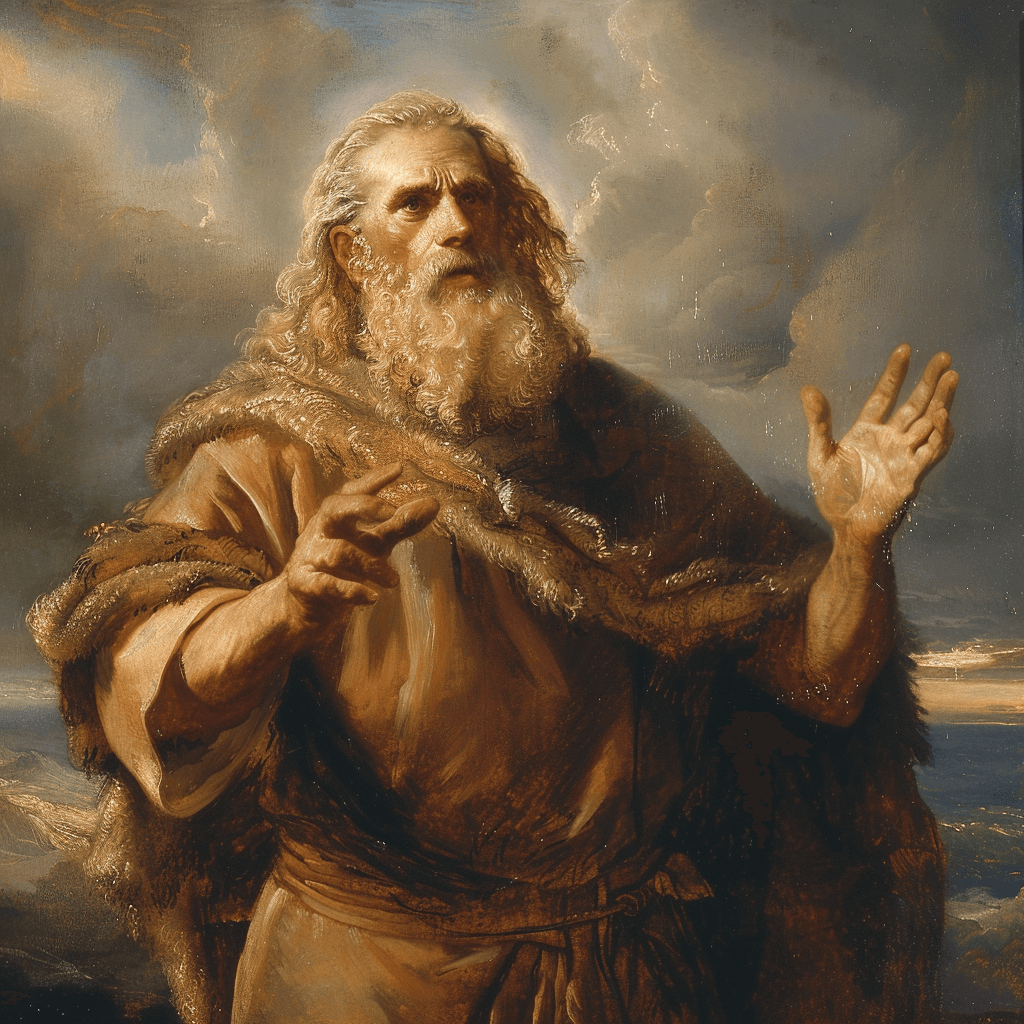
Exodus Leadership
Led the Israelites out of Egyptian bondage according to tradition, establishing the central narrative of Jewish liberation.
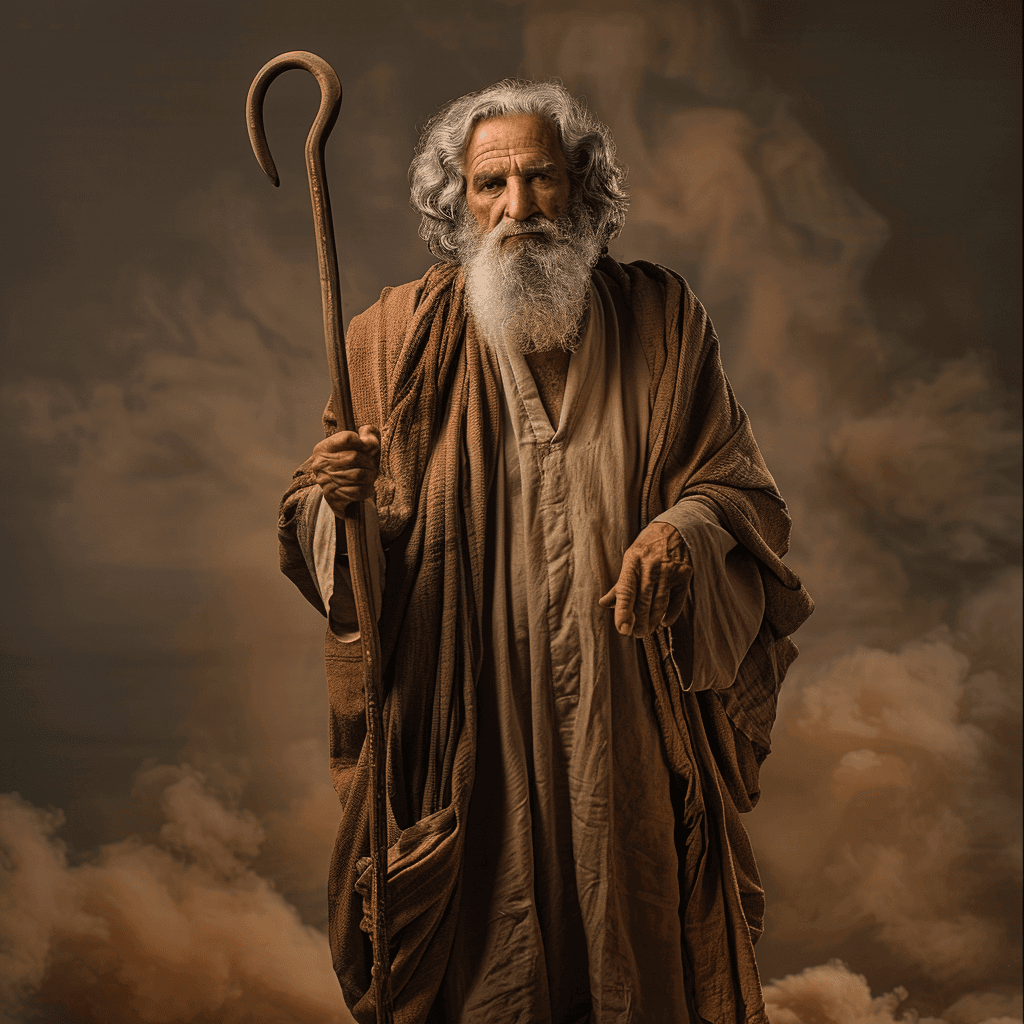
c. 1391–1271 BC
Prophet • Lawgiver • Leader of the Exodus
Moses occupies a central place in the Hebrew Bible as the leader who negotiates Israel's liberation from slavery in Egypt and guides the people through forty years of wilderness wandering toward the Promised Land. Traditional accounts in Exodus and Deuteronomy describe his birth during a Pharaoh's decree against Hebrew male infants, his rescue and upbringing in the Egyptian royal household, and his flight to Midian after killing an Egyptian taskmaster. At the burning bush on Mount Horeb, God calls Moses to return to Egypt and demand release of the Israelites, equipping him with signs and appointing his brother Aaron as spokesman. The narrative culminates in a series of plagues, the Passover, and the crossing of the Red Sea, events commemorated annually in Jewish ritual.
Moses receives the law at Sinai—tablets of covenant, detailed commandments, and instructions for priesthood, sacrifice, and social justice that shape Israelite identity. He intercedes repeatedly when the people rebel, fashion a golden calf, or despair in the desert, embodying both prophetic authority and mediating compassion. Numbers and Deuteronomy portray him as unable to enter Canaan because of a moment of disobedience at Meribah, passing leadership to Joshua before dying within sight of the land. His speeches in Deuteronomy recapitulate history and law, emphasizing loyalty to one God, care for the stranger, and just weights in commerce. Rabbinic literature expands his humility, arguing he was the greatest of prophets yet remained the most modest of servants.
Across Judaism, Christianity, and Islam, Moses functions as archetype of liberation, covenant, and moral instruction. The Exodus story inspired abolitionists, civil rights preachers, and liberation theologians who read Egyptian bondage as metaphor for oppression. Medieval and Renaissance art depicted him with horns of light from mistranslated Hebrew, while Charlton Heston's cinematic portrayal fixed a popular image of tablet-bearing authority. Archaeological debate continues over historical layers behind the biblical narrative, yet the cultural fact of Moses' significance requires no excavation: Passover seders, Ten Commandments monuments, and Quranic surahs preserve his memory as lawgiver and servant of God. Whether read as history, allegory, or composite tradition, Moses remains among the most enduring symbols of deliverance and divine law in world civilization.
c. 1391 BC — Birth in Egypt. Born during Pharaoh's oppression of Hebrews, hidden and raised in the royal household according to Exodus.
c. 1313 BC — Burning Bush. Received divine call at Mount Horeb to return and demand Israel's release from slavery.
c. 1313 BC — Exodus and Red Sea. Led departure from Egypt and crossing of the sea, commemorated in Passover.
c. 1313 BC — Sinai Revelation. Received the law and covenant at Mount Sinai, establishing Israelite religious identity.
c. 1271 BC — Death on Mount Nebo. Died within sight of Canaan after forty years of wilderness leadership.
Key moments across this figure's life and legacy
c. 1391 BC
Born during Pharaoh's oppression of Hebrews, hidden and raised in the royal household according to Exodus.
c. 1313 BC
Received divine call at Mount Horeb to return and demand Israel's release from slavery.
c. 1313 BC
Led departure from Egypt and crossing of the sea, commemorated in Passover.
c. 1313 BC
Received the law and covenant at Mount Sinai, establishing Israelite religious identity.
c. 1271 BC
Died within sight of Canaan after forty years of wilderness leadership.
Landmarks that define this figure's contribution to history
Led the Israelites out of Egyptian bondage according to tradition, establishing the central narrative of Jewish liberation.
Received and transmitted the Torah and Ten Commandments, forming the moral and legal core of Israelite religion.
Interceded between God and the people during rebellion and wilderness trials, shaping prophetic leadership ideals.
Delivered farewell addresses recapitulating law and history before transferring leadership to Joshua.
Notable details about this historical figure
How this figure shaped the world we inherit
Moses shaped the religious imagination of Judaism, Christianity, and Islam through the Exodus narrative and Sinai covenant, providing symbols of liberation and moral law that recur in art, politics, and theology. From medieval commentary to modern civil rights rhetoric, his story has been invoked to challenge tyranny and articulate obligations toward justice and the stranger.
Enduring influence across generations
Moses shaped the religious imagination of Judaism, Christianity, and Islam through the Exodus narrative and Sinai covenant, providing symbols of liberation and moral law that recur in art, politics, and theology. From medieval commentary to modern civil rights rhetoric, his story has been invoked to challenge tyranny and articulate obligations toward justice and the stranger. Death on Mount Nebo (c. 1271 BC) remains a defining moment in Moses's enduring reputation.
Explore more profiles from the same era or field
Curated educational resources for further study
Start a private conversation and explore their wisdom through Historical Collection AI.