Humanized the Modern Monarchy
Introduced warmth, accessibility, and emotional candor to a institution long defined by formality and reserve.
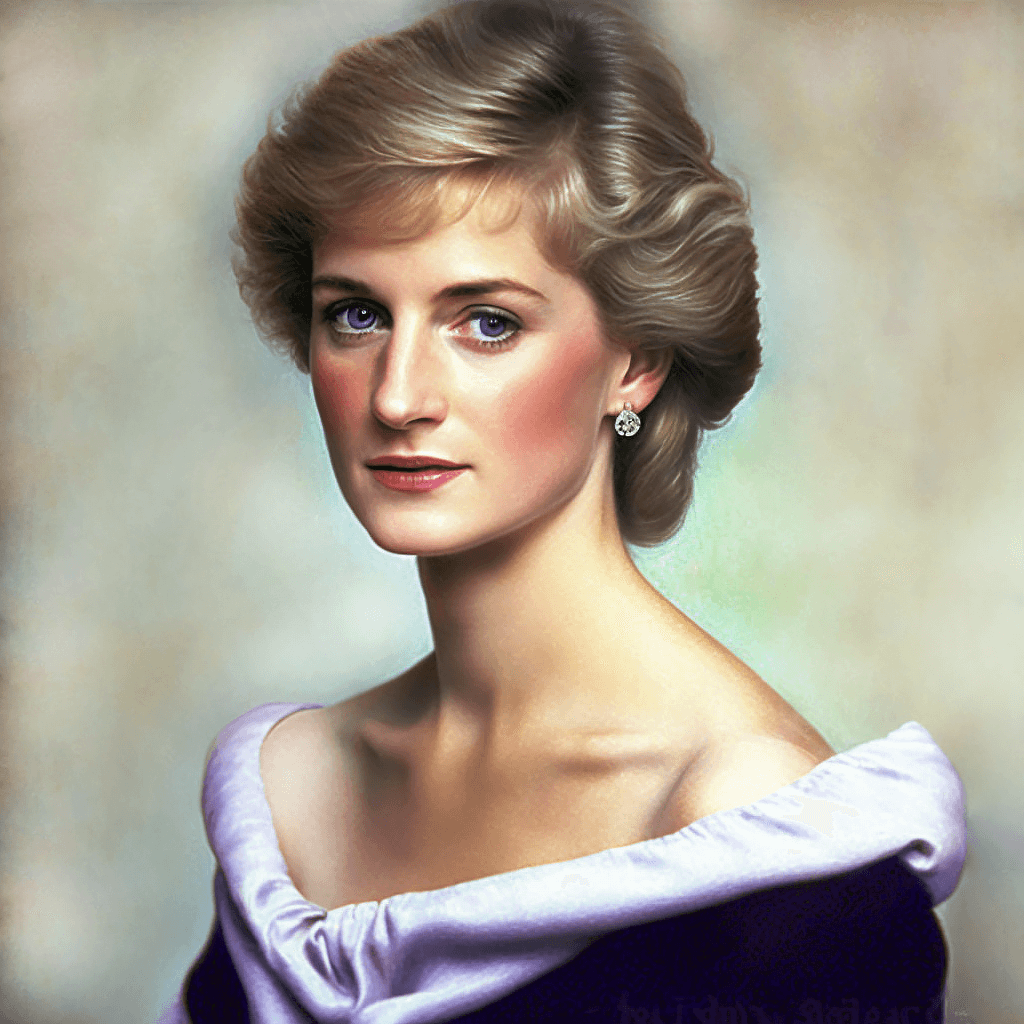
1961–1997
Princess • Humanitarian • Global Icon
Lady Diana Spencer was born in 1961 into an aristocratic English family and became Diana, Princess of Wales, upon marrying Prince Charles in 1981 before an estimated global television audience of 750 million. Her initial role followed royal convention, but she quickly distinguished herself through informal contact with the public and a willingness to speak openly about personal struggles.
Diana used her visibility to challenge stigma around HIV/AIDS, famously shaking hands with patients at London's Middlesex Hospital without gloves in 1987. She championed homeless shelters, leprosy treatment, and—most prominently—the campaign to ban landmines, walking through cleared minefields in Angola in 1997 months before her death.
Her separation and divorce from Charles in the 1990s dominated headlines, yet she retained enormous public affection. When she died in a car accident in Paris on August 31, 1997, an unprecedented outpouring of grief forced the royal family to adapt its communication and emotional distance, permanently altering how the monarchy relates to the British public.
1961 — Born at Park House, Sandringham. Raised on the Queen's estate, attending boarding school before working as a nursery assistant and kindergarten teacher.
1981 — Marriage to Prince Charles. St. Paul's Cathedral wedding broadcast worldwide, making Diana an instant global celebrity and future queen consort in waiting.
1987 — AIDS Ward Visit. Shook hands with HIV-positive patients at Middlesex Hospital, challenging myths that the disease spread through casual contact.
1996 — Divorce Finalized. Ended marriage to Charles while retaining the title Princess of Wales and continuing independent charitable work.
1997 — Death in Paris. Killed in a car crash in the Pont de l'Alma tunnel; her funeral drew an estimated 2.5 billion television viewers worldwide.
Key moments across this figure's life and legacy
1961
Raised on the Queen's estate, attending boarding school before working as a nursery assistant and kindergarten teacher.
1981
St. Paul's Cathedral wedding broadcast worldwide, making Diana an instant global celebrity and future queen consort in waiting.
1987
Shook hands with HIV-positive patients at Middlesex Hospital, challenging myths that the disease spread through casual contact.
1996
Ended marriage to Charles while retaining the title Princess of Wales and continuing independent charitable work.
1997
Killed in a car crash in the Pont de l'Alma tunnel; her funeral drew an estimated 2.5 billion television viewers worldwide.
Landmarks that define this figure's contribution to history
Introduced warmth, accessibility, and emotional candor to a institution long defined by formality and reserve.
Her hospital visits and public statements helped shift perceptions of HIV/AIDS at a time when fear and misinformation were widespread.
Her advocacy in Bosnia and Angola drew global attention to unexploded ordnance, contributing to momentum toward the 1997 Ottawa Treaty.
Patron of numerous charities including Centrepoint, using royal platform to spotlight youth homelessness and mental health.
Notable details about this historical figure
How this figure shaped the world we inherit
Diana demonstrated that a royal figure could wield moral authority outside traditional ceremonial roles. Her charity work changed public attitudes toward AIDS and landmines, while her death prompted a crisis of confidence in the monarchy that accelerated its modernization and more open engagement with British society.
Enduring influence across generations
Diana demonstrated that a royal figure could wield moral authority outside traditional ceremonial roles. Her charity work changed public attitudes toward AIDS and landmines, while her death prompted a crisis of confidence in the monarchy that accelerated its modernization and more open engagement with British society. Death in Paris (1997) remains a defining moment in Princess Diana's enduring reputation.
Explore more profiles from the same era or field
Curated educational resources for further study
Start a private conversation and explore their wisdom through Historical Collection AI.