Covenant with God
Established the foundational pact promising land and descendants, central to Jewish, Christian, and Islamic theology.
Discover
Explore influential historical figures from science, philosophy, leadership, art, and culture.

c. 2000–1800 BC
Patriarch • Founder of Monotheistic Tradition
This is a read-only educational profile. Chat, Council Mode, and AI features are not available for historical figures.
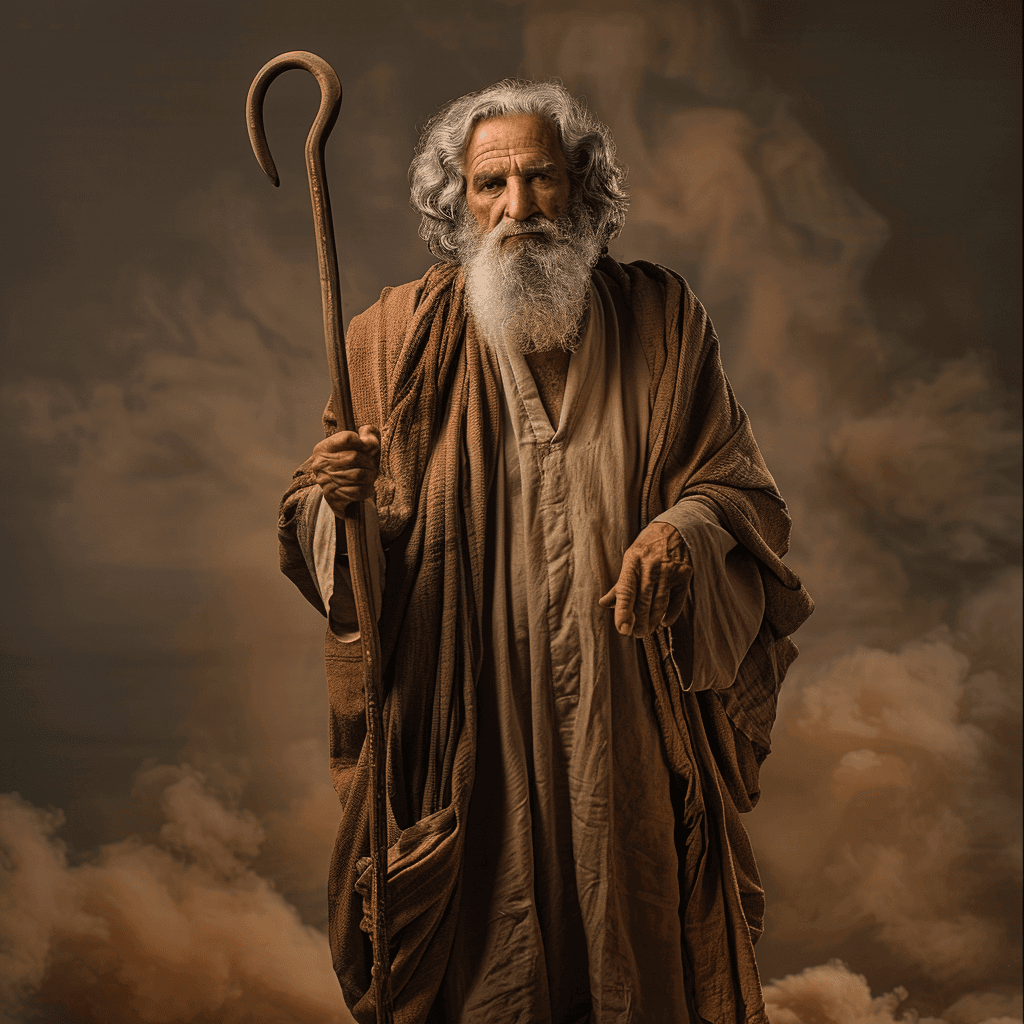
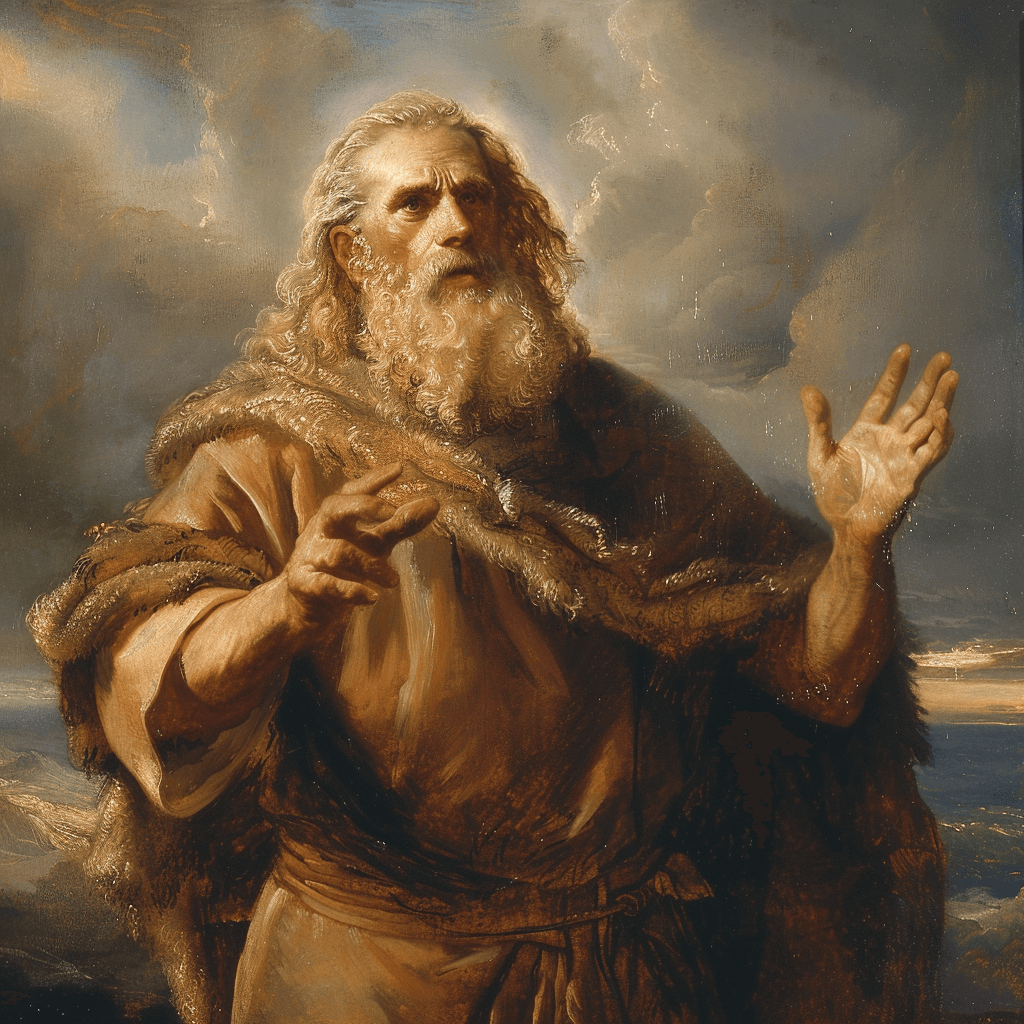
Abraham, known in Hebrew as Avraham and in Arabic as Ibrahim, occupies a singular place in the religious imagination of the ancient Near East and the three Abrahamic faiths. Traditional chronology places his life around 2000–1800 BCE, though archaeological evidence for his specific biography remains indirect. Genesis portrays him as born in Ur of the Chaldees, a prosperous Sumerian city on the lower Euphrates, into a family that worshipped other gods before his call. At divine command he left Mesopotamia with his wife Sarah, his nephew Lot, and their household, traveling northwest through Haran in upper Mesopotamia before entering Canaan. The narrative stresses repeated migrations, famine-driven detours to Egypt, and negotiations with local rulers such as Abimelech of Gerar. Abraham's defining episodes—his willingness to sacrifice Isaac on Mount Moriah, his hospitality to three visitors at Mamre, his intercession for Sodom—became templates for obedience, faith, and moral argument across centuries of commentary.
The covenant theology associated with Abraham reshaped how later communities understood election, land, and lineage. God promised descendants as numerous as stars, yet Sarah remained childless for decades until Isaac's birth in their old age. Ishmael, born to Sarah's Egyptian maidservant Hagar, and Isaac, the child of promise, generated competing genealogies that Jewish, Christian, and Islamic traditions interpret differently. Abraham purchased the cave of Machpelah at Hebron as a burial site for Sarah, establishing a tangible link between patriarchal memory and the land of Canaan. His death at an advanced age united Isaac and Ishmael at the grave, a detail later readers treated as a fragile image of reconciliation. Rabbinic midrash, Pauline epistles, and Quranic passages all return to Abraham as the friend of God, the first monotheist, or the model of submission, depending on the tradition.
Whether read as history, allegory, or both, Abraham's story supplied the moral vocabulary of exile, promise, and tested faith that shaped West Asian civilization. Medieval maps placed Ur and Hebron within sacred geography; Crusaders and pilgrims invoked his name when contesting the Holy Land. Enlightenment skeptics questioned the historicity of the patriarchal narratives, yet philosophers from Kierkegaard to Levinas found in the binding of Isaac a profound meditation on ethics and divine command. Today Abraham remains a shared symbolic ancestor whose narratives continue to inform interfaith dialogue, territorial claims, and literary retellings from Milton to modern fiction. His legacy rests not on monuments but on texts that billions still read as the opening chapter of a relationship between humanity and a single transcendent God.
Key moments across this figure's life and legacy
c. 2000 BC
Traditional birthplace in Ur of the Chaldees within Mesopotamian civilization.
c. 1975 BC
Left upper Mesopotamia at divine command and entered the land of Canaan.
c. 1950 BC
Sarah bore Isaac in old age, fulfilling the covenant promise of an heir.
c. 1940 BC
Prepared to sacrifice Isaac on Mount Moriah before divine intervention.
c. 1925 BC
Buried in the cave of Machpelah alongside Sarah, according to Genesis.
Landmarks that define this figure's contribution to history
Established the foundational pact promising land and descendants, central to Jewish, Christian, and Islamic theology.
Led his household from Mesopotamia to Canaan, a journey that became the archetype of divinely guided exile.
The Akedah narrative became one of the most interpreted episodes in Western ethics and religious thought.
Acquired the Hebron cave as a family tomb, anchoring patriarchal memory to a specific landscape.
How this figure shaped the world we inherit
Abraham supplied the shared origin story for Judaism, Christianity, and Islam, making monotheistic covenant theology one of the most durable frameworks in human history. Debates over his meaning—faith, obedience, land, sacrifice—have shaped theology, philosophy, and political conflict from antiquity to the present.
Explore more profiles from the same era or field
Curated educational resources for further study
Discover historical art and educational content on our media channels