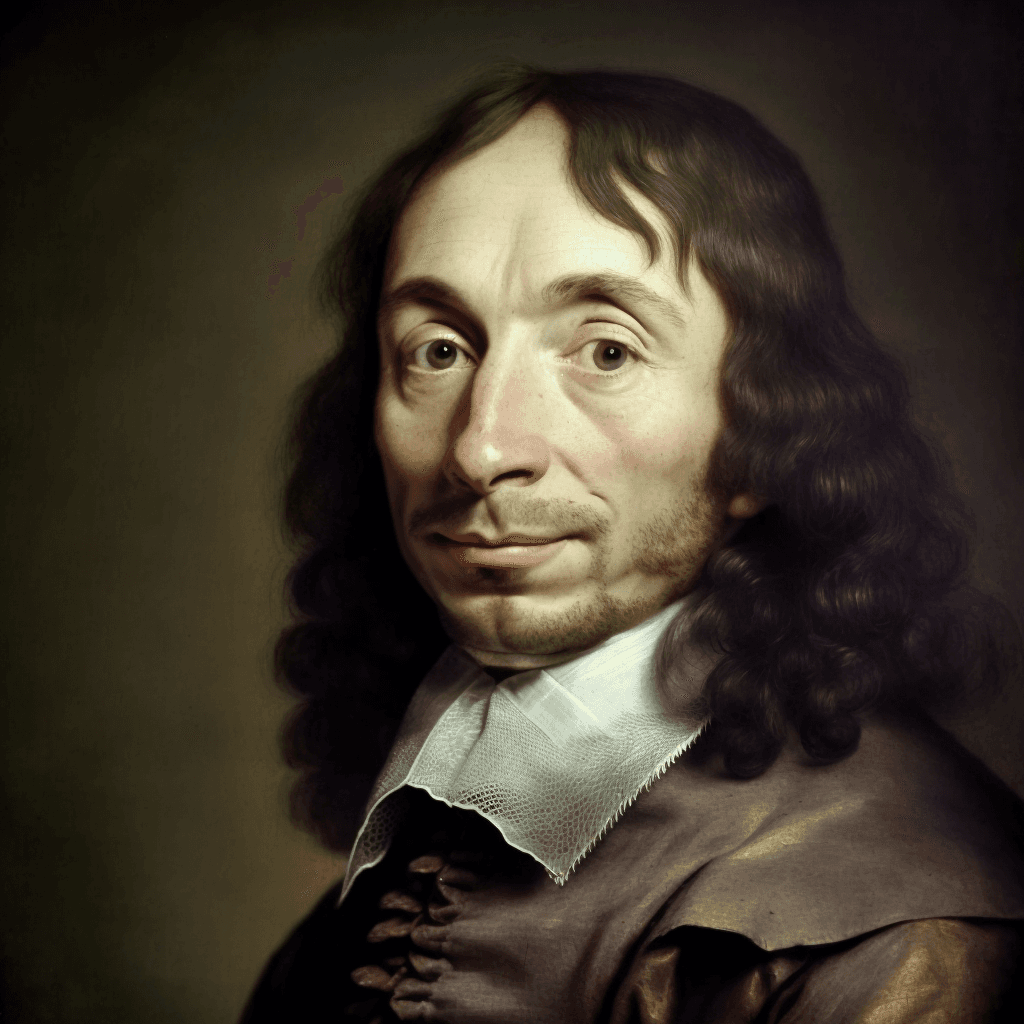
Kitab al-Hawi
Compiled a comprehensive medical encyclopedia that circulated widely in Arabic, Latin, and later European medical curricula.
Discover
Explore influential historical figures from science, philosophy, leadership, art, and culture.

854–925
Physician • Chemist • Philosopher
This is a read-only educational profile. Chat, Council Mode, and AI features are not available for historical figures.
Abu Bakr Muhammad ibn Zakariya al-Razi, known to Latin readers as Rhazes, was born in the city of Ray, a prosperous commercial and scholarly center on the southern slopes of the Elburz range near modern Tehran, around 854 CE. He came of age during the Abbasid caliphate's mature intellectual period, when Baghdad and provincial cities supported hospitals, translation houses, and sustained debate among physicians, philosophers, and theologians. Al-Razi studied medicine, mathematics, astronomy, alchemy, and philosophy, working under teachers in Ray and Baghdad while absorbing the Galenic medical tradition that dominated learned medicine from the Mediterranean to Persia. Biographers report that he studied with Ali ibn Rabban al-Tabari, author of an encyclopedic medical text, and that he read widely in Greek sources available through Arabic translation. From early in his career he distinguished himself by insisting that clinical observation and repeated experiment should guide treatment rather than uncritical reliance on ancient authority alone. He treated patients across social ranks, maintained detailed case notes, and argued that a physician who refused to revise a failing remedy betrayed the ethical purpose of medicine. Contemporaries described him as indefatigable in hospital service, sometimes spending entire days at bedside before returning to chemical experiments in his laboratory. His temperament combined practical bedside urgency with a philosophical skepticism that would later appear in his more controversial theological writings. Unlike court physicians who tailored opinions to patrons, al-Razi cultivated a reputation for blunt diagnosis and for preferring remedies whose effects he had witnessed himself. By middle age he directed major medical institutions and attracted students from across the Islamic world who copied his lectures into notebooks that circulated long after his death. Medieval bibliographers list dozens of treatises under his name, and his fame crossed sectarian boundaries: Sunni, Shia, Jewish, and Christian scholars all cited his clinical authority. He lived most of his life in Ray, returning periodically to Baghdad when invited to supervise hospital reform, and he died there in 925 after decades of teaching, practice, and research.
Al-Razi's medical output was enormous even by the standards of a prolific age. His Kitab al-Hawi, the Comprehensive Book compiled posthumously from notebooks and lecture materials, became one of the most widely circulated medical encyclopedias of the medieval world, translated into Latin as Continens and studied in European universities into the early modern period. In Kitab fi al-Jadari wa al-Hasbah he offered one of the earliest systematic clinical descriptions distinguishing smallpox from measles, noting fever patterns, rash progression, and prognostic signs with a precision rare for his time. He wrote on ophthalmology, pediatrics, surgery, urology, pharmacology, and the preparation of remedies, often recording his own trials and failures when compounds proved ineffective or harmful. As director of hospitals in Ray and of the Muqtadari Hospital in Baghdad, he reorganized wards by disease category, stressed cleanliness, diet, ventilation, and psychological comfort, and treated hospital administration as part of therapeutic science rather than mere charity. He advocated moving psychiatric patients out of chains when possible and separating contagious cases to limit spread, practices that reflected an institutional ethics ahead of many later European infirmaries. Parallel to medicine, he pursued chemical inquiry: distillation, mineral acids, the classification of substances, and the separation of practical laboratory technique from symbolic alchemical speculation. His Secret of Secrets and related chemical writings describe apparatus, solvents, and transformations with a concreteness that influenced later Islamic and Latin alchemical traditions. Colleagues admired his willingness to describe allergic reactions, occupational hazards, and environmental factors in disease, anticipating later epidemiological habits even without modern germ theory. He compiled formularies listing compound drugs, dosages, and contraindications, and he criticized physicians who prescribed costly ingredients without evidence of benefit. Latin translators in Toledo and Sicily transmitted his works alongside Avicenna, and European printers later issued editions of his treatises on smallpox that remained clinically consulted through the early modern era. Modern historians credit him with strengthening the hospital as an institution of learning, not only care, and with demonstrating how systematic observation could refine inherited Galenic categories rather than merely repeating them.
Beyond clinic and laboratory, al-Razi composed philosophical works that questioned prophecy and defended the capacity of reason to discern ethical truth independently of revelation, positions that provoked admiration and condemnation alike. In Doubts about Galen he challenged the second-century physician on logical and empirical grounds, arguing that even revered authorities err when observation contradicts their claims. His treatise On the Philosophical Life and related essays proposed that religions differ in ritual but that rational minds could converge on moral knowledge, a stance that placed him among the boldest speculative thinkers of the Islamic world. Orthodox critics accused him of excessive freethinking, yet his clinical reputation protected him from the harshest penalties that sometimes befell purely speculative philosophers. Medieval authors in Arabic, Persian, and Latin cited his clinical observations for centuries, and his name became synonymous with empirical medicine long before that term entered European languages. Jewish physicians in Cairo, Christian scholars in Toledo, and Persian court doctors all read him as an authority on fevers, poisons, and compound drugs. When Renaissance humanists debated the revival of classical medicine, Rhazes appeared alongside Hippocrates and Galen as a pillar of the canon, proof that the Islamic world had not merely preserved antiquity but advanced it. In the nineteenth century, historians of vaccination and infectious disease returned to his smallpox treatise as evidence of sophisticated premodern clinical description. Today medical historians study al-Razi as a bridge between Galenic tradition and the hospital-based medicine of later centuries, and as an early advocate of evidence-sensitive practice. Through textbooks, public health practice, and chemical method, he linked Persian intellectual life to a broader Mediterranean tradition of inquiry that shaped how later physicians approached disease, experiment, and the limits of inherited authority. His life illustrates how Abbasid civilization could produce figures equally at home among retorts, manuscripts, and fever wards, and whose writings traveled farther than any single empire could reach.
Key moments across this figure's life and legacy
854
Born in Ray, Persia, where he later established his reputation as a physician and scholar.
c. 900
Served as director of the Muqtadari Hospital in Baghdad, applying systematic clinical organization.
c. 910
Authored a landmark treatise on smallpox and measles based on careful bedside observation.
c. 920
Composed works defending reason and critiquing uncritical reliance on inherited authority.
925
Died in Ray after decades of medical practice, teaching, and chemical research.
Landmarks that define this figure's contribution to history
Compiled a comprehensive medical encyclopedia that circulated widely in Arabic, Latin, and later European medical curricula.
Provided one of the earliest systematic clinical descriptions differentiating smallpox from measles.
Directed major hospitals in Ray and Baghdad, organizing care by condition and stressing hygiene and dietary therapy.
Advanced distillation and mineral analysis, treating chemistry as an experimental discipline distinct from symbolic alchemy.
How this figure shaped the world we inherit
Al-Razi bridged classical Greek medicine and the medieval Islamic hospital tradition, then transmitted refined clinical knowledge into Latin Europe. Physicians from Cairo to Paris consulted his descriptions of disease, and his insistence on observation anticipated later scientific medicine. His chemical work also helped separate practical laboratory technique from mystical alchemical speculation, opening a path toward modern pharmacology and experimental science in the Islamic world and beyond.
Explore more profiles from the same era or field
Curated educational resources for further study
Discover historical art and educational content on our media channels