Symphonic Transformation
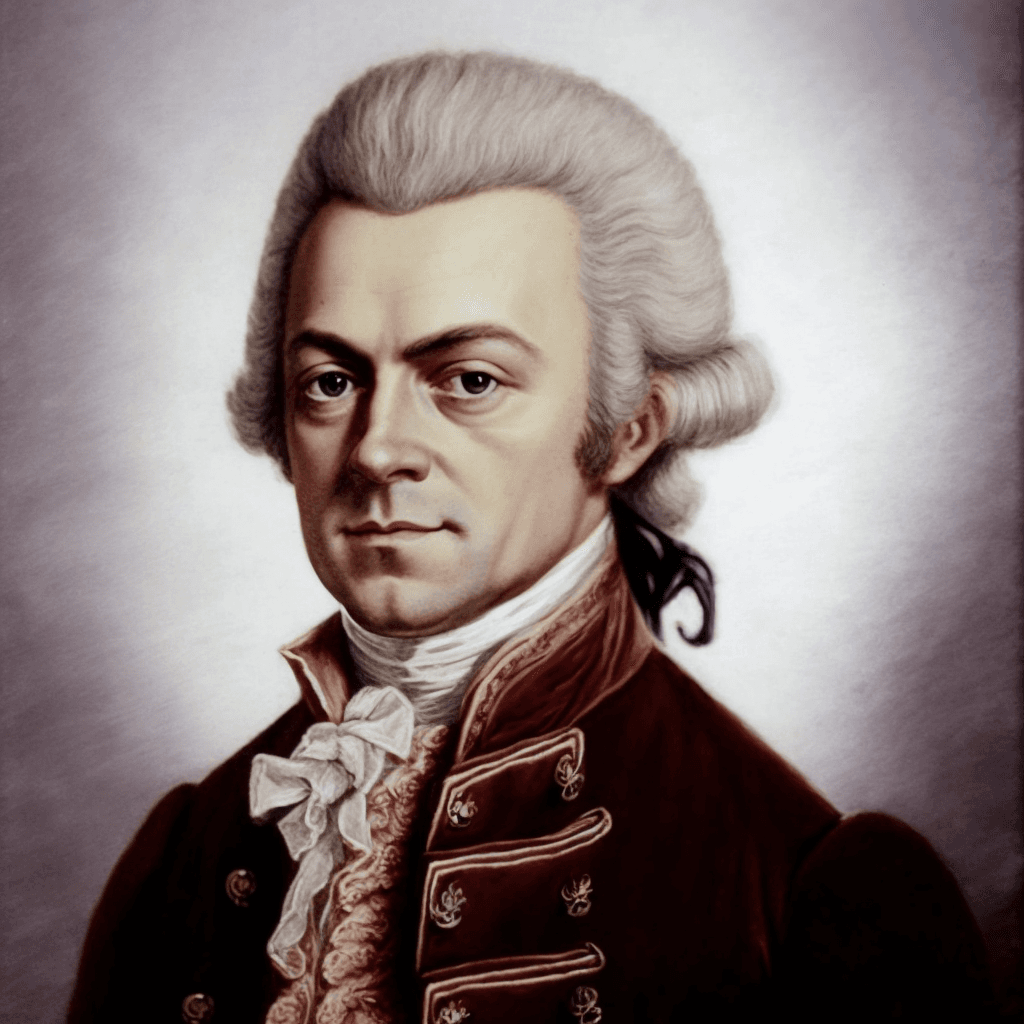
Expanded orchestral scope and emotional architecture of the symphony.
Discover
Explore influential historical figures from science, philosophy, leadership, art, and culture.
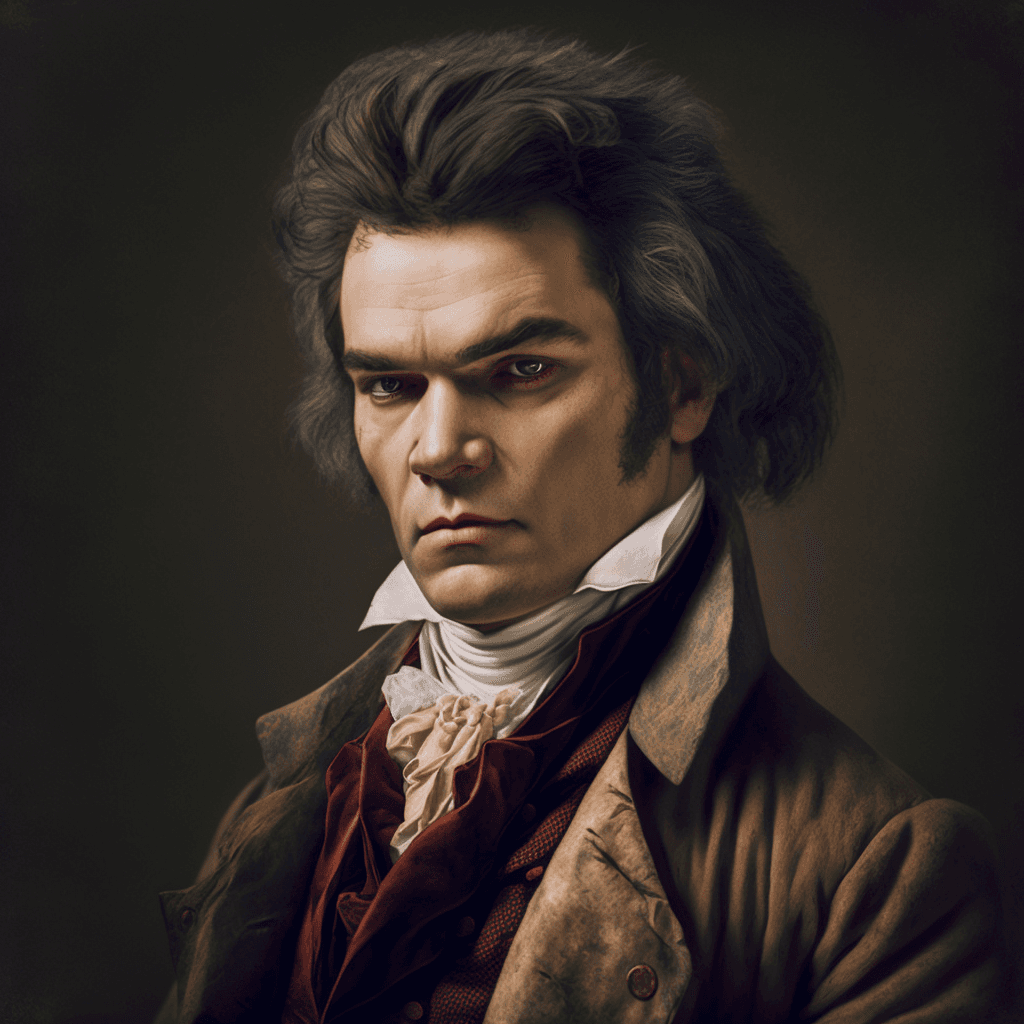
1770-1827
Composer - Pianist - Musical Revolutionary
This is a read-only educational profile. Chat, Council Mode, and AI features are not available for historical figures.
Ludwig van Beethoven was born in Bonn and trained as a pianist and composer before moving to Vienna, where he studied with Joseph Haydn and entered elite musical circles. Early works showed mastery of Classical forms associated with Mozart and Haydn, yet his style quickly became more dramatic and structurally adventurous. By the turn of the nineteenth century he was recognized as a leading composer in Europe.
Beethoven's middle period expanded the expressive scale of the symphony, sonata, and concerto, with works such as the Eroica Symphony and the Fifth Symphony redefining musical narrative and emotional arc. Progressive hearing loss, beginning in his late twenties, intensified his personal crisis but did not stop his compositional output. In later years he produced technically demanding and philosophically ambitious works, including late string quartets and the Ninth Symphony.
His setting of Schiller's 'Ode to Joy' became a global symbol of human fraternity, later adopted in modern political and civic contexts. Beethoven transformed the public image of the composer from court servant to independent artistic visionary. His influence remains foundational in concert repertoire, music pedagogy, and cultural ideas about creativity under adversity.
Key moments across this figure's life and legacy
1770
Born in the Electorate of Cologne and trained by his musician father.
1792
Settled in Europe's musical capital and built a career as performer-composer.
1804
Completed Symphony No. 3, marking a major stylistic turning point.
1824
Presented his final symphony despite profound hearing impairment.
1827
Died after prolonged illness and was mourned by a vast public crowd.
Landmarks that define this figure's contribution to history
Expanded orchestral scope and emotional architecture of the symphony.
Composed landmark sonatas that advanced technical and expressive possibilities.
Integrated chorus into symphonic form with the globally recognized 'Ode to Joy'.
Produced structurally innovative chamber works that influenced modern composition.
How this figure shaped the world we inherit
Beethoven expanded Western music's expressive horizon and helped inaugurate the Romantic conception of art as moral and psychological struggle. His works reshaped compositional form, public concert culture, and the status of the composer as an autonomous creator. Across two centuries, his music has carried meanings from personal endurance to political liberation, making him one of the most interpreted figures in cultural history.
Explore more profiles from the same era or field
Curated educational resources for further study
Discover historical art and educational content on our media channels