
Relief of Orléans
In May 1429, Joan's leadership helped French forces end an English siege that had threatened to collapse royal resistance in the Loire Valley.
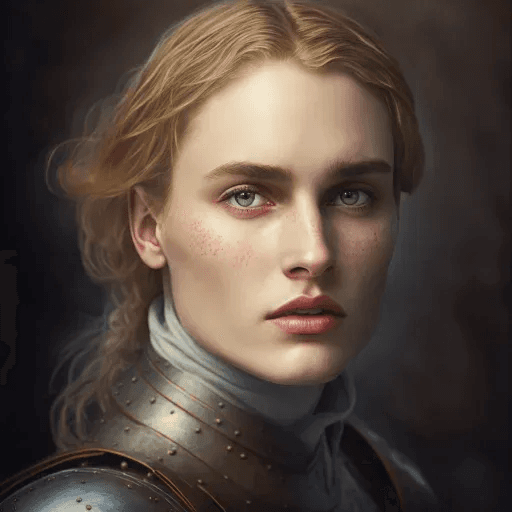
1412–1431
Warrior • Saint • National Heroine
Juana de Arco nació alrededor de 1412 en Domrémy, un pueblo en el noreste de Francia atrapado entre la presión borgoñona e inglesa. Desde la infancia, reportó visiones de santos que le instruían a apoyar a Carlos VII y expulsar a los ingleses del territorio francés. A los diecisiete años, viajó a Chinon, convenció al delfín para que le otorgara el mando y se cortó el cabello para montar a caballo con los soldados como La Pucelle—la Doncella de Orléans.
Su llegada transformó una campaña desmoralizada. En 1429, lideró tropas que rompieron el asedio inglés de Orléans, luego avanzó a través del Loira en una rápida serie de victorias que culminaron en la coronación de Carlos en Reims. Capturada en Compiègne en 1430, fue vendida a los ingleses, juzgada por herejía por un tribunal eclesiástico pro-inglés en Ruan y quemada en la hoguera el 30 de mayo de 1431, a la edad de diecinueve años.
Un nuevo juicio ordenado por Carlos VII en 1456 la declaró inocente. Beatificada en 1909 y canonizada en 1920, Juana se convirtió en un símbolo de unidad y resistencia francesa. Los registros de su juicio preservan uno de los interrogatorios medievales más detallados, y su historia continúa planteando preguntas sobre la fe, el género y la legitimidad política.
Momentos clave en la vida y el legado de esta figura
1412
Joan was born to peasant farmers in a border region contested by France, Burgundy, and England during the Hundred Years' War.
1429
After reporting divine visions, she gained an audience with the dauphin Charles and received armor, a household, and military authority.
1429
French troops under her influence lifted a critical siege and followed with victories at Patay and along the Loire.
1430
She was taken prisoner by Burgundian allies of England during a sortie from the town of Compiégne.
1431
Convicted of heresy at Rouen, she was burned at the stake; a later church inquiry declared the verdict unjust.
Hitos que definen la contribución de esta figura a la historia
In May 1429, Joan's leadership helped French forces end an English siege that had threatened to collapse royal resistance in the Loire Valley.
She escorted Charles VII through hostile territory so he could be crowned king of France, legitimizing his claim against English-backed rivals.
Her campaigns along the Loire in 1429 restored momentum to the French war effort after years of defeat and internal division.
The 1456 nullification trial overturned her heresy conviction, paving the way for her later recognition as a Catholic saint and French national heroine.
Detalles notables sobre esta figura
Cómo esta figura moldeó el mundo que heredamos
Juana de Arco proporcionó a la monarquía valois un punto de inflexión psicológico y militar decisivo en la Guerra de los Cien Años. Su canonización y lugar en la memoria cívica francesa la convirtieron en un emblema perdurable del patriotismo, mientras que los historiadores estudian su juicio como una ventana hacia la ley medieval, la política y la religión popular.
Influencia duradera a través de generaciones
Joan of Arc gave the Valois monarchy a decisive psychological and military turning point in the Hundred Years' War. Her canonization and place in French civic memory made her an enduring emblem of patriotism, while historians study her trial as a window into medieval law, politics, and popular religion. Trial and Execution (1431) remains a defining moment in Joan of Arc's enduring reputation.
Recursos educativos seleccionados para profundizar
Inicia una conversación privada con Historical Collection AI.