First Female British Prime Minister
Thatcher won three consecutive general elections (1979, 1983, 1987), the longest continuous tenure of any twentieth-century British premier.
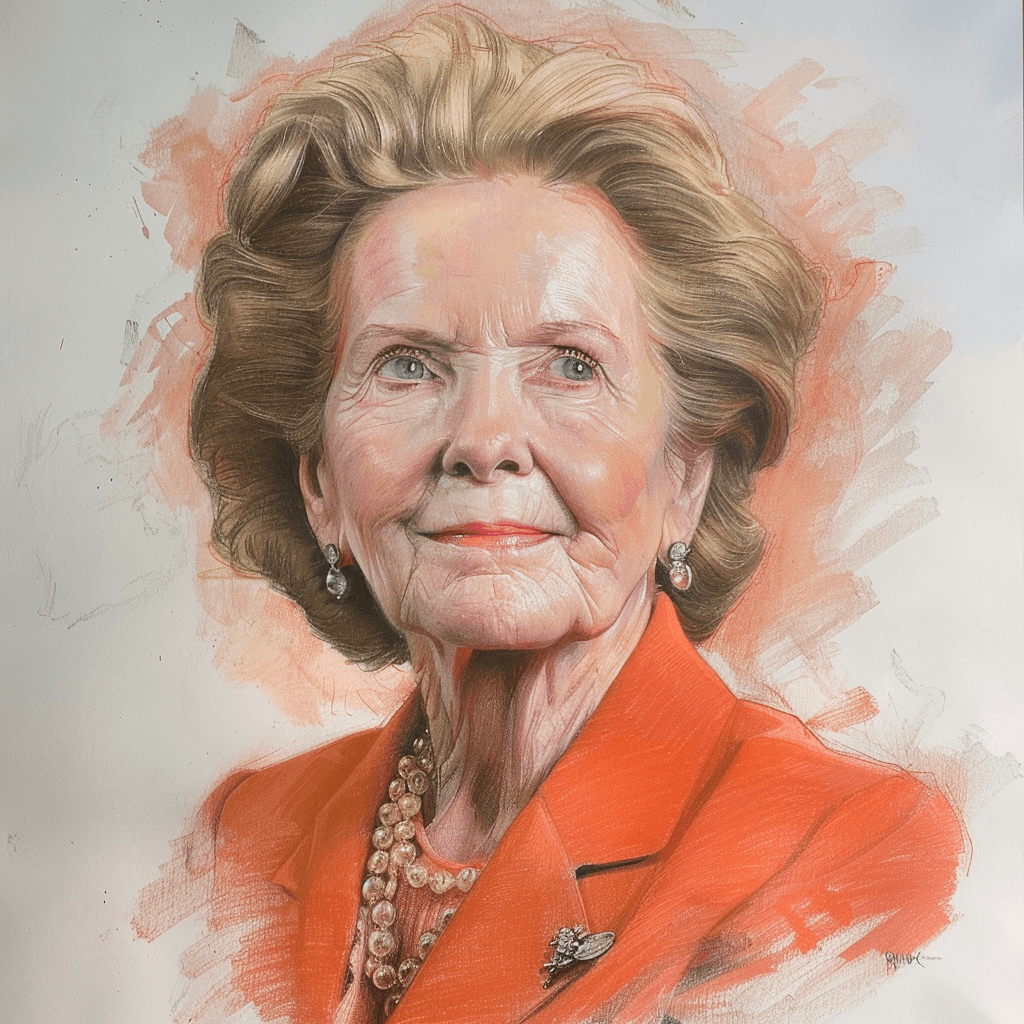
1925–2013
Prime Minister • Stateswoman • Iron Lady
Margaret Hilda Roberts nació en 1925 sobre la tienda de comestibles de su padre en Grantham, Lincolnshire. Educada en Oxford, trabajó como química investigadora y abogada antes de entrar en el Parlamento en 1959. Como secretaria de educación, recortó la financiación de la leche escolar, ganando notoriedad temprana, pero su liderazgo decisivo durante la crisis energética de los años 70 la ayudó a ganar la presidencia del Partido Conservador en 1975.
Al convertirse en primer ministro en 1979, Thatcher persiguió una economía monetarista, vendió servicios públicos y viviendas sociales, y redujo las tasas impositivas más altas. Envió un grupo de tareas para recuperar las Islas Malvinas tras la invasión argentina de 1982, sobrevivió al atentado de la IRA en su hotel de Brighton en 1984 y rompió el Sindicato Nacional de Mineros tras una huelga de un año. En el extranjero, formó una estrecha asociación anti-soviética con el presidente estadounidense Ronald Reagan mientras se comprometía cautelosamente con Mijaíl Gorbachov.
El aumento de los impuestos y las disputas en el gabinete sobre la integración europea erosionaron su autoridad. Obligada a dimitir en noviembre de 1990, permaneció en la Cámara de los Lores como baronesa Thatcher y una voz influyente en la política conservadora hasta su muerte en 2013. Sus partidarios la acreditan con revertir el declive británico; los críticos enfatizan el aumento de la desigualdad y la pérdida de empleos industriales.
Momentos clave en la vida y el legado de esta figura
1925
Raised by Methodist parents who emphasized thrift and self-reliance, she won a scholarship to study chemistry at Oxford.
1979
The Conservatives defeated James Callaghan's Labour government amid strikes and economic stagnation remembered as the 'Winter of Discontent.'
1984
A protracted confrontation with the NUM ended in union defeat and accelerated pit closures across coalfield communities.
1984
The IRA attack on her party conference killed five people; Thatcher insisted the conference continue the next morning.
1990
Michael Heseltine's leadership challenge and waning cabinet support led her to step down after more than eleven years in office.
Hitos que definen la contribución de esta figura a la historia
Thatcher won three consecutive general elections (1979, 1983, 1987), the longest continuous tenure of any twentieth-century British premier.
Her government dispatched a naval task force that recaptured the islands in 1982, boosting national morale and her political standing.
She sold state-owned telecom, gas, and airline assets to private investors, reshaping Britain's mixed economy toward market principles.
Working with Reagan, she supported NATO rearmament and later welcomed Soviet reform while maintaining firm anti-communist rhetoric.
Detalles notables sobre esta figura
Cómo esta figura moldeó el mundo que heredamos
El thatcherismo—privatización, desregulación y escepticismo hacia el consenso del estado de bienestar—redefinió la política británica e influyó en reformas de mercado desde Chile hasta Europa del Este. Su mandato sigue siendo un punto de referencia en los debates sobre la desigualdad económica, el poder sindical y el papel del estado en las sociedades industriales.
Influencia duradera a través de generaciones
Thatcherism—privatization, deregulation, and skepticism of welfare-state consensus—redefined British politics and influenced market reforms from Chile to Eastern Europe. Her tenure remains a touchstone in debates over economic inequality, union power, and the role of the state in industrial societies. Resignation (1990) remains a defining moment in Margaret Thatcher's enduring reputation.
Más perfiles de la misma época o campo
Recursos educativos seleccionados para profundizar
Inicia una conversación privada con Historical Collection AI.