A Hero of Our Time
The 1840 novel, structured as linked stories about Pechorin, pioneered unreliable narration and social critique in Russian fiction.
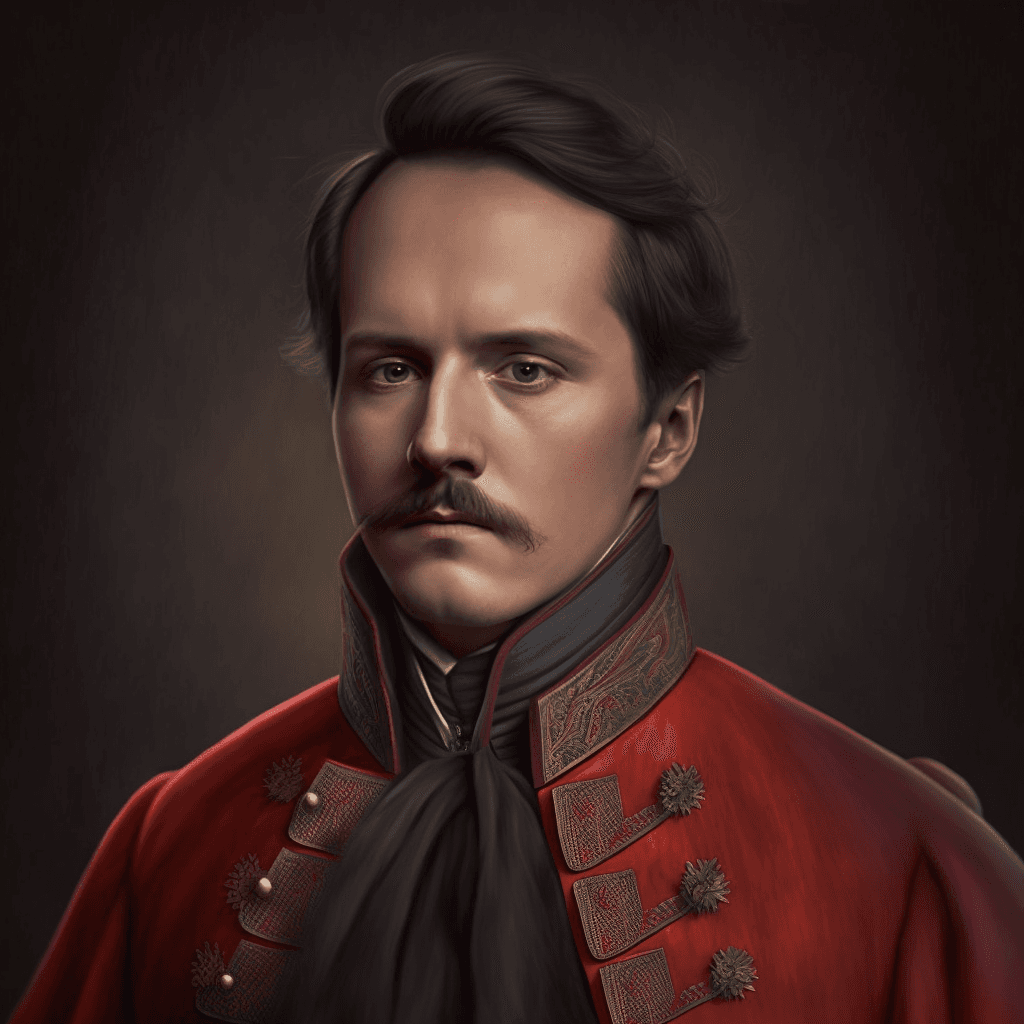
1814–1841
Poet • Novelist • Romantic Writer
Mikhail Yuryevich Lermontov nació en 1814 en Moscú en una familia de oficiales del ejército. Criado por su abuela tras la muerte temprana de su madre, estudió en la Universidad de Moscú y en la Escuela de Subtenientes de la Guardia en San Petersburgo. La influencia de Byron y el desasosiego aristocrático marcaron sus primeros versos.
Lermontov saltó a la fama nacional en 1837 cuando su poema 'Muerte del Poeta' condenó a la sociedad de la corte tras el duelo fatal de Alexander Pushkin. Exiliado al Cáucaso por las insinuaciones del poema, absorbió los paisajes fronterizos en obras como 'El Demonio' y la novela Un héroe de nuestro tiempo (1840), la primera novela psicológica en ruso y un retrato del cínico oficial Pechorin.
Un segundo duelo en Pyatigorsk terminó con su vida en julio de 1841. Aunque escribió intensamente durante poco más de una década, la poesía de Lermontov capturó la melancolía y la rebelión románticas, mientras que su prosa anticipó la indagación moral de la tradición realista rusa.
Momentos clave en la vida y el legado de esta figura
1814
Lermontov lost his mother young and was raised largely by his wealthy grandmother, Elizaveta Arsenyeva.
1837
His poem mourning Pushkin led to arrest and exile to the Caucasus, where he served with the dragoons.
1840
The novel appeared in print, drawing praise and criticism for its cynical hero and fragmented structure.
1841
Lermontov was killed in a duel with fellow officer Nikolai Martynov near Pyatigorsk, aged twenty-six.
Hitos que definen la contribución de esta figura a la historia
The 1840 novel, structured as linked stories about Pechorin, pioneered unreliable narration and social critique in Russian fiction.
His Romantic narrative poem of a fallen spirit longing for human love became one of Russia's most quoted lyrical works.
Exile inspired vivid depictions of mountain warfare and landscape in poems that expanded Russian literary geography.
His 1837 elegy on Pushkin's death attacked aristocratic complicity and made Lermontov the voice of literary protest.
Detalles notables sobre esta figura
Cómo esta figura moldeó el mundo que heredamos
Lermontov conectó la claridad clásica de Pushkin con el realismo del siglo XIX, dando a la literatura rusa su arquetipo del héroe superfluo y desilusionado. Sus escritos sobre el Cáucaso también moldearon las percepciones rusas de la frontera sur del imperio.
Influencia duradera a través de generaciones
Lermontov bridged Pushkin's classical clarity and later nineteenth-century realism, giving Russian literature its archetype of the superfluous, disillusioned hero. His Caucasus writings also shaped Russian perceptions of the empire's southern frontier. Fatal Duel (1841) remains a defining moment in Mikhail Lermontov's enduring reputation.
Más perfiles de la misma época o campo
Recursos educativos seleccionados para profundizar
Inicia una conversación privada con Historical Collection AI.