Revolutionized Portrait Painting
Moved beyond flattering likeness to reveal character through light, gesture, and psychological intensity in works like *The Syndics*.
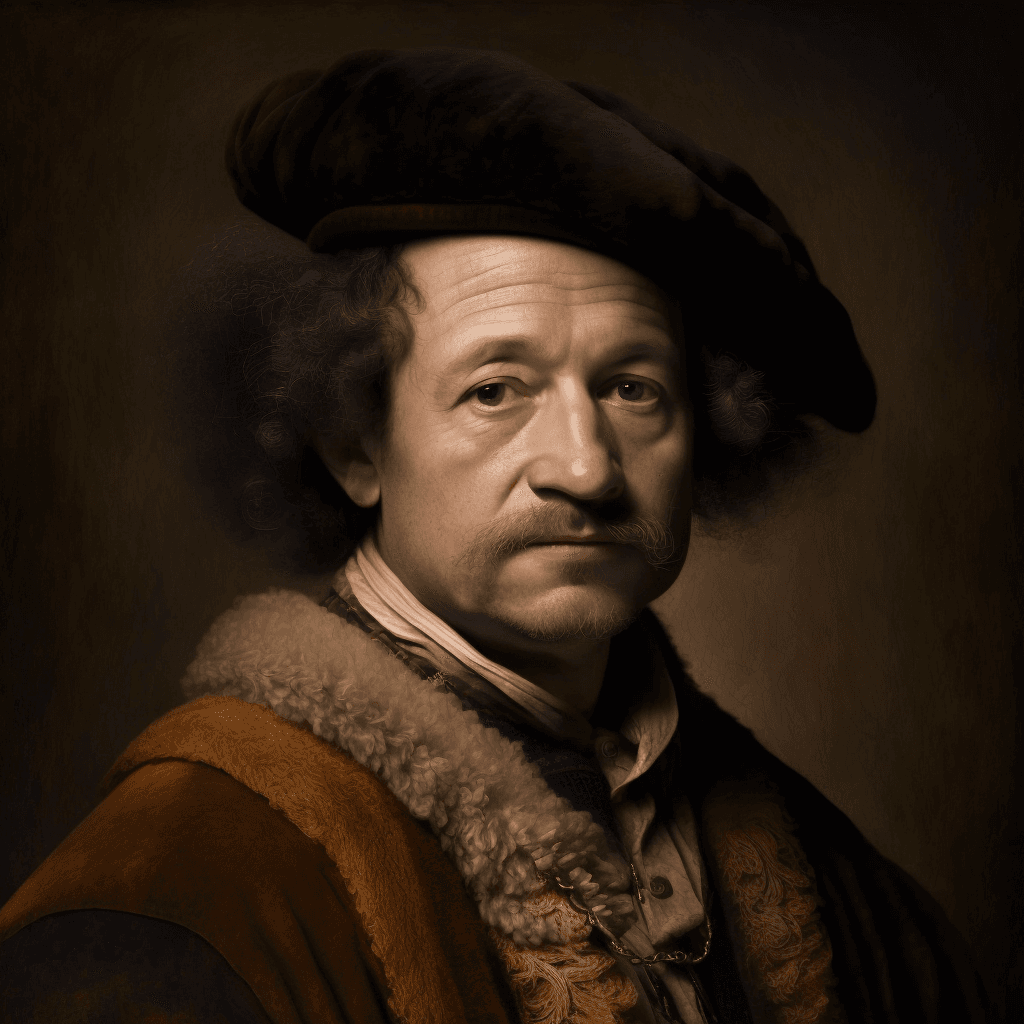
1606–1669
Painter • Master of Light and Shadow
Nacido en Leiden en 1606, Rembrandt Harmenszoon van Rijn se formó localmente antes de mudarse a Ámsterdam, donde su habilidad para capturar la luz, la textura y la vida interior lo convirtió en el retratista más exitoso de la ciudad a finales de sus veinte años. Obras como *La lección de anatomía del Dr. Nicolaes Tulp* anunciaron a un artista que podía transformar comisiones grupales en narrativas de descubrimiento y mortalidad.
La vida personal de Rembrandt mezcló triunfos con tragedias: se casó con Saskia van Uylenburgh, perdió varios hijos en la infancia y enfrentó la ruina financiera a pesar de su prolífica producción. Su estilo posterior se volvió más audaz e introspectivo: espesas capas de pintura, fondos sombríos y autorretratos implacables que documentaron el envejecimiento a lo largo de las décadas.
Obras maestras como *La ronda de noche*, *La novia judía* y *El regreso del hijo pródigo* elevaron la pintura de género holandesa a una profundidad filosófica. Cuando murió en 1669, enterrado en una tumba alquilada, su reputación había disminuido localmente; dentro de los siglos fue reconocido como uno de los más grandes intérpretes de la condición humana en el arte occidental.
Momentos clave en la vida y el legado de esta figura
1606
Studied at Leiden University briefly before apprenticing with local painters and opening his own studio.
1631
Established a thriving workshop in the commercial capital, attracting wealthy patrons and students.
1642
Delivered his monumental group portrait of the Amsterdam civic guard, later trimmed on all sides when moved to city hall.
1656
Auctioned possessions including art collection and house, yet continued painting with undiminished ambition.
1669
Buried in the Westerkerk; posthumous fame grew until he became synonymous with Dutch Golden Age painting.
Hitos que definen la contribución de esta figura a la historia
Moved beyond flattering likeness to reveal character through light, gesture, and psychological intensity in works like *The Syndics*.
Produced hundreds of etchings whose technical innovation and narrative range rivaled his paintings in influence.
Transformed a civic militia commission into a dynamic baroque tableau of movement, shadow, and collective identity.
Created an unparalleled series of self-portraits spanning youth to old age, treating his own face as a laboratory for artistic and emotional experiment.
Detalles notables sobre esta figura
Cómo esta figura moldeó el mundo que heredamos
El tratamiento de la luz y la vida interior de Rembrandt estableció estándares para el realismo y la profundidad emocional que influyeron en Velázquez, Delacroix y la fotografía moderna. Sus grabados democratizaron el arte fino a través de impresiones reproducibles, y sus obras tardías siguen siendo centrales para cómo los museos y académicos entienden el nacimiento de la subjetividad moderna en forma visual.
Influencia duradera a través de generaciones
Rembrandt's treatment of light and inner life set standards for realism and emotional depth that influenced Velázquez, Delacroix, and modern photography. His etchings democratized fine art through reproducible prints, and his late works remain central to how museums and scholars understand the birth of modern subjectivity in visual form. Death in Amsterdam (1669) remains a defining moment in Rembrandt's enduring reputation.
Más perfiles de la misma época o campo
Recursos educativos seleccionados para profundizar
Inicia una conversación privada con Historical Collection AI.