Discovery of Polonium and Radium
Isolated new radioactive elements through years of meticulous laboratory work.
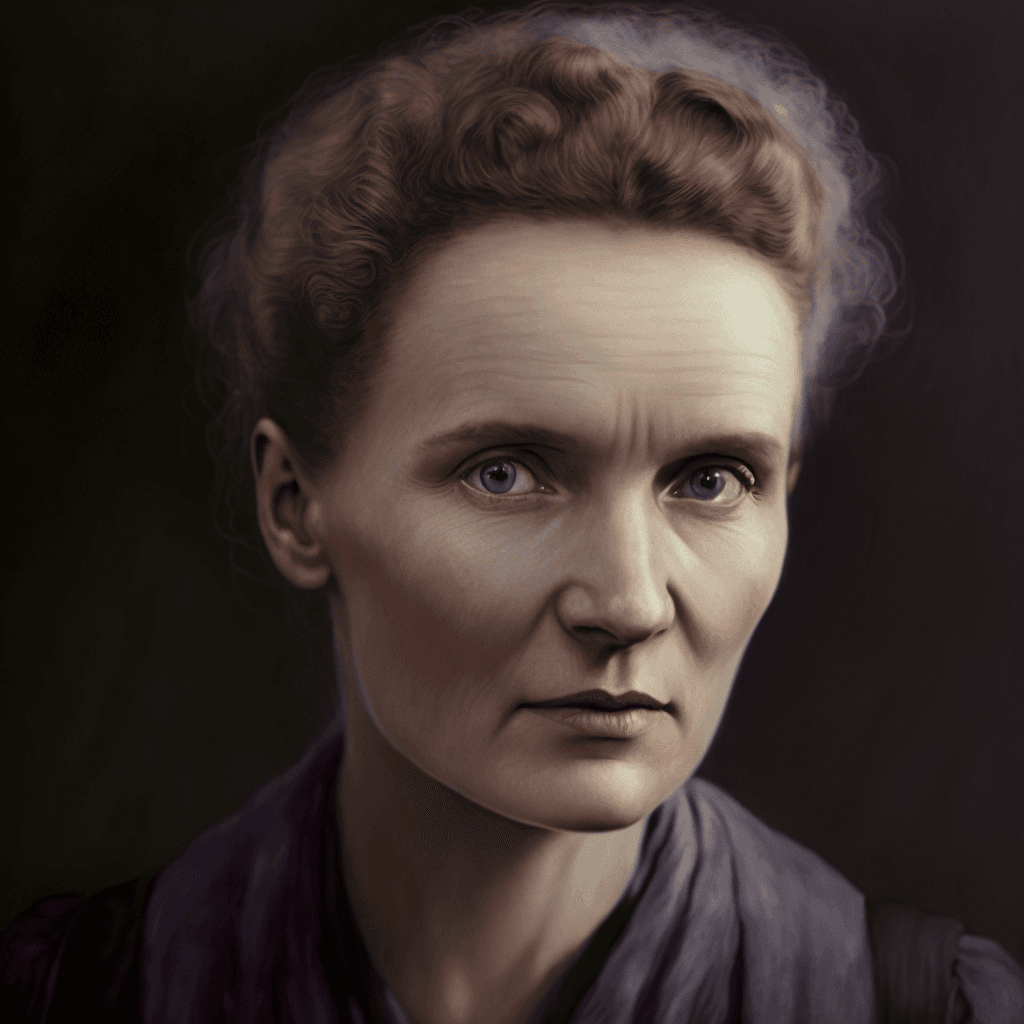
1867–1934
Scientist • Pioneer • Nobel Laureate
ماری اسکودوفسکا در ورشو، در لهستان تحت کنترل روسیه به دنیا آمد، جایی که فرصتهای تحصیلی برای زنان محدود بود. او با ارادهای قوی برای تحصیل در علم، به پاریس رفت، نام ماری را به خود گرفت و در سوربن ثبتنام کرد. در آنجا با پیر کوری، فیزیکدانی که اشتیاق او به آزمایشهای دقیق را به اشتراک میگذاشت، آشنا شد. آنها با هم به تحقیق درباره اشعههای نامرئی منتشر شده از اورانیوم پرداختند، پدیدهای که بکرل به تازگی کشف کرده بود.
کوریها اصطلاح رادیواکتیویته را ابداع کردند و از طریق کار دقیق با سنگ معدن پیتچبلند، دو عنصر جدید را جدا کردند: پولونیوم، که به نام وطن ماری نامگذاری شد، و رادیوم. جایزه نوبل ماری در فیزیک در سال 1903—که با پیر و بکرل مشترک بود—او را به اولین زن برنده نوبل تبدیل کرد. پس از مرگ پیر در سال 1906، او به اولین استاد زن در سوربن تبدیل شد و به تحقیقاتی ادامه داد که در سال 1911 او را به دریافت جایزه نوبل دوم در شیمی رساند.
در طول جنگ جهانی اول، کوری واحدهای سیار ایکس-ری—پتیت کوریها—را سازماندهی کرد تا به جراحان کمک کند ترکشها را در سربازان زخمی پیدا کنند. او در سال 1934 به دلیل آنمی آپلاستیک ناشی از قرارگیری طولانیمدت در معرض تابش درگذشت، قبل از آنکه خطرات سلامتی به طور کامل درک شود. زندگی او ترکیبی از کشفهای انقلابی، غلبه بر موانع نهادی و خدمت در شرایط دشوار بود و او را به نمادی پایدار از شجاعت علمی تبدیل کرد.
لحظات کلیدی در زندگی و میراث این چهره
1867
Raised in an educated Polish family under Russian partition.
1891
Studied at the Sorbonne, earning degrees in physics and mathematics.
1898
Identified new elements while studying uranium rays with Pierre Curie.
1911
Awarded Nobel Prize in Chemistry for isolating radium and studying its properties.
1934
Died from illness linked to radiation; later interred in the Panthéon.
نقاط عطفی که سهم این چهره در تاریخ را مشخص میکند
Isolated new radioactive elements through years of meticulous laboratory work.
Nobel in Physics (1903) and Chemistry (1911)—the first person to win twice.
Advanced understanding of atomic structure and radiation phenomena.
Deployed mobile radiography units that saved countless lives on the battlefield.
جزئیات برجسته درباره این چهره
چگونه این چهره دنیایی را که به ارث بردیم شکل داد
ماری کوری عصر اتمی را با نشان دادن این که اتمها نه تنها غیرقابل تقسیم و پایدار هستند بلکه میتوانند انرژی منتشر کنند و دگرگون شوند، گشود. جوایز او موانع جنسیتی در علم را شکست و الهامبخش نسلهای آینده از پژوهشگران زن شد. استفادههای پزشکی از رادیوم و فیزیک هستهای بعدی ریشههای خود را به کار او نسبت میدهند، در حالی که داستان او همچنان نقطه عطفی برای بحثهای اخلاقی، ایمنی و برابری در کشفهای علمی باقی مانده است.
تأثیر پایدار در نسلها
Marie Curie opened the atomic age by showing that atoms were not indivisible and stable but could emit energy and transform. Her prizes shattered gender barriers in science, inspiring generations of women researchers. Radium's medical uses and later nuclear physics trace lineages to her work, while her story remains a touchstone for discussions of ethics, safety, and equity in scientific discovery. Death in France (1934) remains a defining moment in Marie Curie's enduring reputation.
پروفایلهای بیشتر از همان دوره یا حوزه
منابع آموزشی گزینششده برای مطالعه بیشتر