Amarna Co-Rulership
As Akhenaten's principal queen, Nefertiti appeared prominently in temple reliefs and may have shared governing authority during the Aten cult.
c. 1370–1330 BC
Queen • Icon of Ancient Egypt
نفرتیتی همسر بزرگ فرعون آمنهوتپ چهارم بود که در حدود ۱۳۵۳–۱۳۳۶ قبل از میلاد بر مصر حکومت میکرد. نام او به معنای 'زیبا آمده است' است. آنها با هم دربار را از تبس به پایتخت جدید آختاتون (آمنهوتپ) منتقل کردند و پرستش دیسک خورشید آتن را به جای پانتئون سنتی ترویج کردند—تغییری کوتاه اما رادیکال در تاریخ مصر.
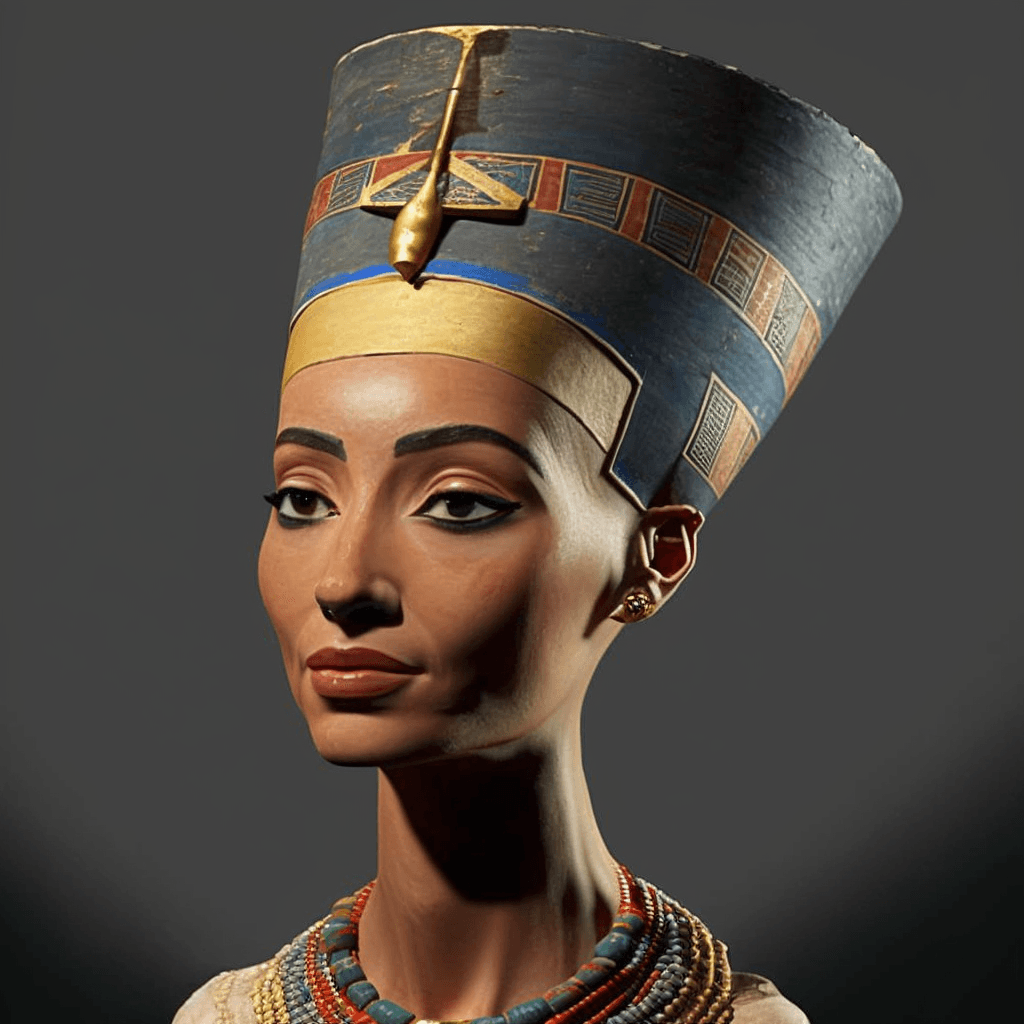
هنر آمنهوتپ نفرتیتی را با ویژگیهای کشیده و وقار سلطنتی به تصویر میکشد، اغلب در کنار آمنهوتپ و دخترانشان زیر پرتوهای آتن. او ممکن است نفوذ سیاسی قابل توجهی داشته باشد؛ برخی از محققان پیشنهاد میکنند که او به عنوان همحاکم یا حتی به طور موقت به عنوان فرعون بعد از مرگ آمنهوتپ تحت نام نفرنفروآتن خدمت کرده است، اگرچه شواهد همچنان مورد بحث است. سرنوشت او پس از دوره آمنهوتپ ناشناخته است؛ دربار تحت سلطنت توتنخامون به خدایان سنتی بازگشت.
مجسمه سنگی رنگی که در سال ۱۹۱۲ در آمنهوتپ توسط باستانشناس آلمانی لودویگ بورچاردت کشف شد، به یک نماد جهانی زیبایی باستانی تبدیل شد. چه به عنوان پروپاگاندا یا پرتره خوانده شود، نفرتیتی تجسم آزمایشهای هنری و مذهبی دوران آمنهوتپ است.
لحظات کلیدی در زندگی و میراث این چهره
c. 1370 BC
Nefertiti became Great Royal Wife of Amenhotep IV, who later took the name Akhenaten.
c. 1345 BC
The royal couple established a new capital dedicated to the sun god Aten in Middle Egypt.
c. 1340 BC
Temples and tombs at Amarna depicted the royal family worshipping Aten in intimate, revolutionary styles.
1912
Ludwig Borchardt's team uncovered the painted bust in the workshop of sculptor Thutmose at Amarna.
نقاط عطفی که سهم این چهره در تاریخ را مشخص میکند
As Akhenaten's principal queen, Nefertiti appeared prominently in temple reliefs and may have shared governing authority during the Aten cult.
She participated in the shift toward monotheistic solar worship that temporarily displaced Egypt's traditional priesthoods.
Sculptors under her court developed naturalistic, family-centered imagery distinct from earlier rigid royal portraiture.
The 1912 Berlin bust, with its symmetrical face and blue crown, became one of the most reproduced artifacts of antiquity.
جزئیات برجسته درباره این چهره
چگونه این چهره دنیایی را که به ارث بردیم شکل داد
تصویر نفرتیتی جذابیت عمومی را با آزمایش مذهبی آمنهوتپ و آزادی هنری دوره آمنهوتپ پیوند میزند. بحثها در مورد نقش سیاسی و ناپدید شدن او نشان میدهد که چگونه مصرشناسی قدرت زنان را از نوشتهها و مجسمههای پراکنده بازسازی میکند.
تأثیر پایدار در نسلها
Nefertiti's image anchors public fascination with Akhenaten's religious experiment and the artistic freedom of the Amarna period. Debates over her political role and disappearance illustrate how Egyptology reconstructs women's power from fragmentary inscriptions and sculpture. Bust Excavated (1912) remains a defining moment in Nefertiti's enduring reputation.
پروفایلهای بیشتر از همان دوره یا حوزه
منابع آموزشی گزینششده برای مطالعه بیشتر