Rubáiyát
Quatrains on life, fate, and the search for meaning that became a global literary touchstone.
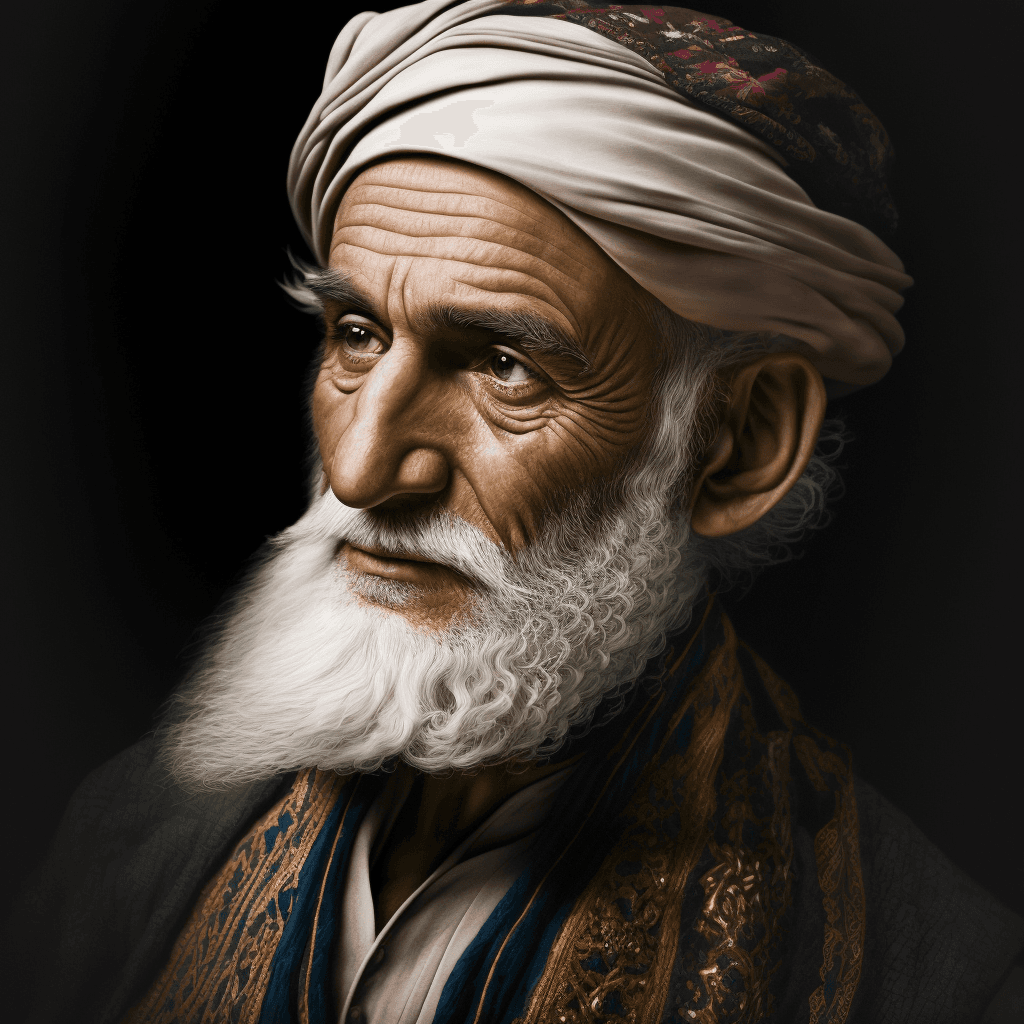
1048–1131
Poet • Mathematician • Astronomer
عمر خیام (Omar Khayyam) در نیشابور، در ایران کنونی، در دورهای از جوشش فکری در جهان اسلام به دنیا آمد. او در ریاضیات، نجوم و فلسفه آموزش دید و در دربارهای اصفهان و دیگر جاها خدمت کرد، جایی که حمایت مالی به کارهای علمی و اصلاحات عملی او کمک کرد. شهرت او در زمان حیاتش عمدتاً بر پایه ریاضیات و نجوم بود تا شعر.
در ریاضیات، خیام به طبقهبندی و حل معادلات مکعبی کمکهای مهمی کرد و تکنیکهایی را پیشبینی کرد که قرنها بعد در اروپا به طور کامل سیستماتیزه نشد. به عنوان یک ستارهشناس، او در اصلاح تقویم شرکت کرد و به تولید تقویم جلالی کمک کرد—یک تقویم خورشیدی به طرز شگفتانگیزی دقیق که هنوز هم در ایران به آن اشاره میشود. نوشتههای فلسفی او، از جمله بحثهایی درباره وجود و ضرورت، نشاندهندهی تعامل او با تفکر ارسطویی و اسلامی است.
غزلهای خیام، که بعداً به عنوان رباعیات جمعآوری شدند، از طریق ترجمهی انگلیسی ادوارد فیتزجرالد در قرن نوزدهم شهرت جهانی یافتند. اینکه آیا هر بیت را میتوان با اطمینان به او نسبت داد یا نه، مهم نیست؛ اشعار—که به مرگ، لذت و محدودیتهای دانش انسانی میاندیشند—تصویر او را به عنوان یک شاعر حکیم شکل دادهاند که دقت علمی و شکاکیت شاعرانهاش در فرهنگها و قرنها طنینانداز است.
لحظات کلیدی در زندگی و میراث این چهره
1048
Born in Khurasan during the Seljuk era, entering a region rich in scholarship and trade.
1070s
Composed influential works on algebra, including systematic study of cubic equations.
1074–1079
Led astronomical observations under royal patronage and contributed to calendar reform.
1079
Helped institute a refined solar calendar, correcting drift in earlier systems.
1131
Died in his native city; later generations would celebrate him as poet, mathematician, and sage.
نقاط عطفی که سهم این چهره در تاریخ را مشخص میکند
Quatrains on life, fate, and the search for meaning that became a global literary touchstone.
Geometric methods for classifying and solving cubic equations, a major advance in algebra.
Solar calendar reform with exceptional accuracy, influencing Persian timekeeping for generations.
Observatory work and star catalogs that supported precise celestial calculations.
جزئیات برجسته درباره این چهره
چگونه این چهره دنیایی را که به ارث بردیم شکل داد
عمر خیام در تقاطع علم دوران طلایی اسلام و ادبیات جهانی قرار دارد. نوآوریهای جبر او بر ریاضیدانان بعدی از الطوسی تا دانشمندان اروپایی تأثیر گذاشت، در حالی که کارهای نجومی او تجسمدهندهی تلاش آن دوران برای دقت قابل اندازهگیری بود. از طریق رباعیات، او به یکی از پرخوانندهترین صداهای فارسی در غرب تبدیل شد و نماد پاسخی انسانی به عدم قطعیت—جایی که عقل، شگفتی و پذیرش کوتاهی زندگی در کنار هم وجود دارد.
تأثیر پایدار در نسلها
Omar Khayyam stands at a crossroads of Islamic Golden Age science and world literature. His algebraic innovations influenced later mathematicians from al-Tusi to European scholars, while his astronomical work embodied the era's drive toward measurable precision. Through the Rubáiyát, he became one of the most widely read Persian voices in the West, symbolizing a humane response to uncertainty—where reason, wonder, and acceptance of life's brevity coexist. Death in Nishapur (1131) remains a defining moment in Omar Khayyam's enduring reputation.
پروفایلهای بیشتر از همان دوره یا حوزه
منابع آموزشی گزینششده برای مطالعه بیشتر