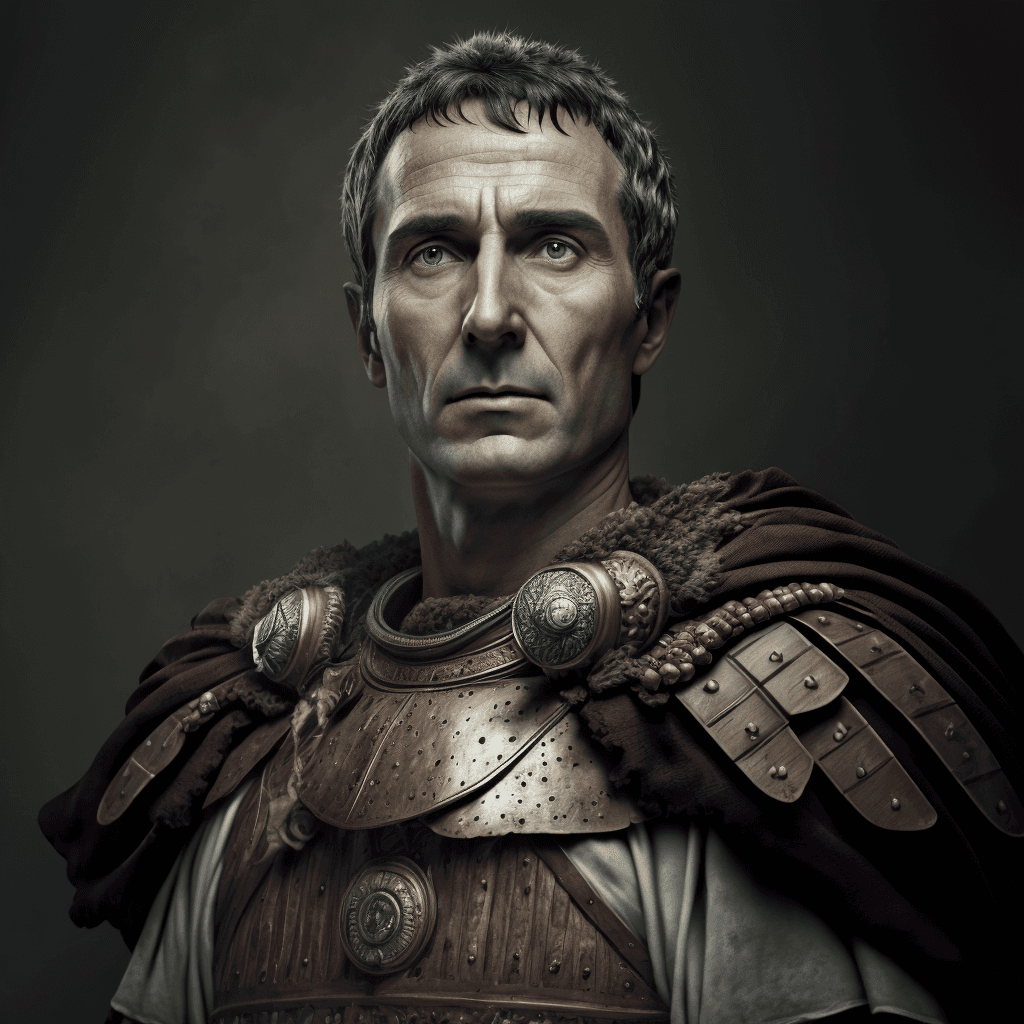
Preservation of Egyptian Sovereignty
Negotiated alliances with Rome's most powerful men to delay annexation.

69–30 BC
Queen • Strategist • Diplomat
Cléopâtre VII est née dans la dynastie ptolémaïque, des dirigeants grecs de l'Égypte qui adoptèrent des titres pharaoniques tout en gouvernant depuis Alexandrie—une ville célèbre pour sa bibliothèque, son commerce et son apprentissage. Elle fut l'une des rares Ptolémées à apprendre l'égyptien et à se présenter comme une déesse vivante, mêlant traditions hellénistiques et indigènes pour légitimer son pouvoir dans un royaume agité par l'expansion romaine.
Après une guerre civile avec son frère Ptolémée XIII, Cléopâtre s'aligna avec Jules César, sécurisant son trône et donnant naissance à un fils, Césarion. Après l'assassinat de César, elle s'allia avec Marc Antoine, combinant pouvoir naval, approvisionnements en grains et diplomatie personnelle dans une tentative de préserver l'indépendance égyptienne et d'étendre son influence en Méditerranée orientale. Leur partenariat devint à la fois une coalition politique et un spectacle culturel.
La défaite à Actium en 31 av. J.-C. et l'invasion de l'Égypte par Octave mirent fin au règne de Cléopâtre. Plutôt que d'être exhibée dans un triomphe romain, elle mourut par suicide—traditionnellement par morsure d'asp—en 30 av. J.-C. Rome annexa l'Égypte, mais la légende de Cléopâtre grandit à travers la propagande romaine et la littérature ultérieure, la présentant comme une souveraine astucieuse dont l'intelligence et l'agence défient les représentations simplistes d'elle comme simple romance.
Moments clés de la vie et de l'héritage de cette figure
69 BC
Raised in the Ptolemaic court amid rivalry and Roman pressure.
48 BC
Regained throne with Roman support after Alexandrian War.
41 BC
Formed political and personal alliance to counter Octavian in Rome.
31 BC
Naval defeat by Octavian's forces shattered hopes of independent power.
30 BC
Died in Alexandria; Egypt became a Roman province.
Jalons qui définissent la contribution de cette figure à l'histoire
Negotiated alliances with Rome's most powerful men to delay annexation.
Presented herself as Isis and pharaoh while ruling a Hellenistic court.
Supported a capital that remained a hub of commerce, science, and culture.
Used language skills, economics, and navy to play Rome's factions against one another.
Détails notables sur cette figure
Comment cette figure a façonné le monde que nous avons hérité
Le règne de Cléopâtre marque la fin de l'Égypte pharaonique et la consolidation de l'empire oriental de Rome. Les recherches modernes soulignent son rôle en tant qu'administratrice et stratège habile—pas seulement une figure de romance—qui navigua dans un paysage géopolitique impossible. Son histoire éclaire la manière dont le genre, le pouvoir et la propagande s'entrecroisent dans la mémoire historique, et comment la chute d'un souverain peut redéfinir le commerce, l'approvisionnement en grains et les échanges culturels à travers le monde méditerranéen.
Influence durable à travers les générations
Cleopatra's reign marks the end of pharaonic Egypt and the consolidation of Rome's eastern empire. Modern scholarship emphasizes her as a skilled administrator and strategist—not merely a figure of romance—who navigated an impossible geopolitical landscape. Her story illuminates how gender, power, and propaganda intersect in historical memory, and how one ruler's fall can reshape trade, grain supply, and cultural exchange across the Mediterranean world. Death and Roman Annexation (30 BC) remains a defining moment in Cleopatra's enduring reputation.
D'autres profils de la même époque ou du même domaine
Ressources éducatives sélectionnées pour approfondir
Entamez une conversation privée via Historical Collection AI.