The Canon of Medicine
Compiled a comprehensive medical reference used for centuries in multiple regions.
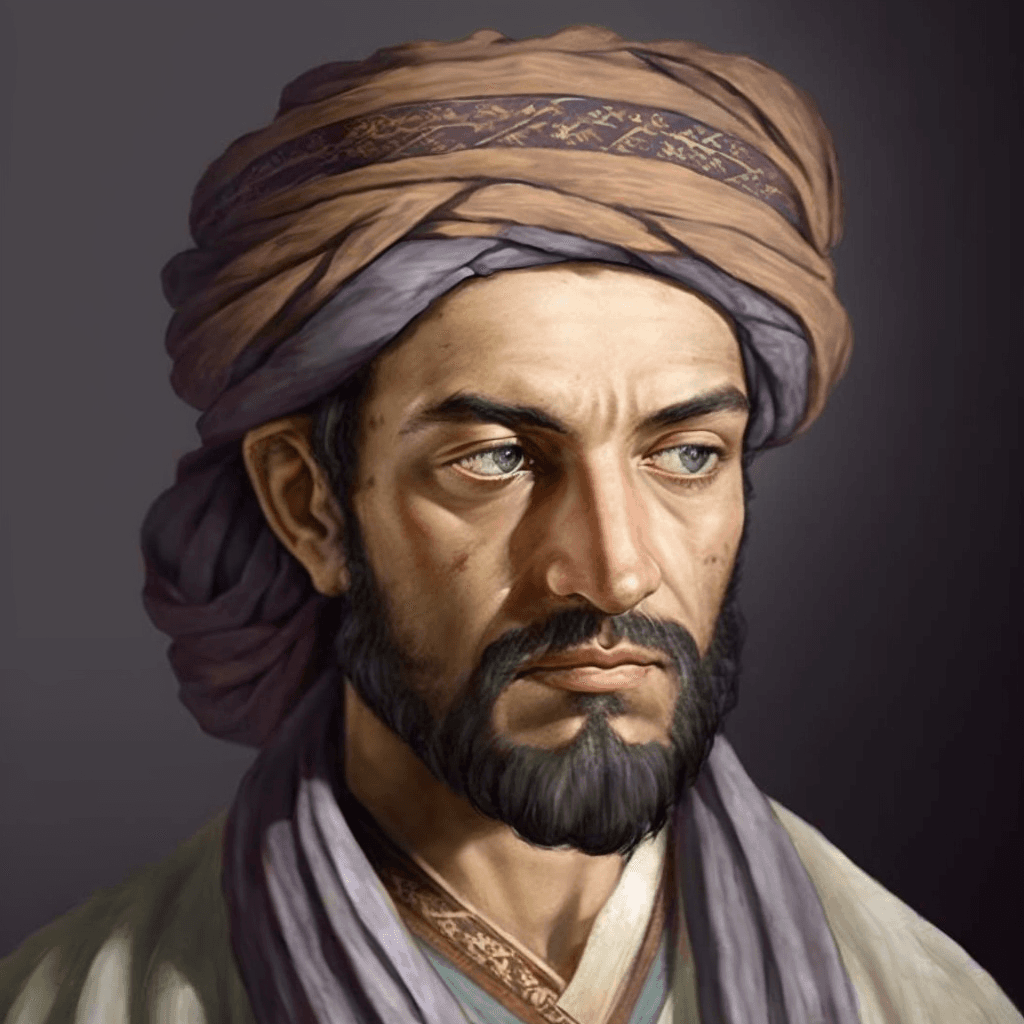
980-1037
Physician - Philosopher - Polymath
Ибн Сина (Авиценна) (Ibn Sina (Avicenna)) родился недалеко от Бухары и проявил исключительные интеллектуальные способности в молодом возрасте. Образованный в логике, медицине и философии, он служил врачом и администратором в дворах по всей Персии, в то время как писал обширно в условиях нестабильной политической ситуации. Его творчество охватывает медицину, метафизику, логику, астрономию и этику.
Его «Канон медицины» синтезировал греко-римские, персидские и исламские медицинские знания в систематическую энциклопедию, которая использовалась на протяжении веков в исламском мире и Европе. В философии его переосмысление Аристотеля продвинуло влиятельные аргументы о существовании, сущности и необходимом бытии. Такие работы, как «Книга исцеления» и «Канон», стали центральными текстами в средневековых учебных планах.
Синтез эмпирического наблюдения и рационального анализа Ибн Сины способствовал передаче и трансформации классических знаний между культурами. Он оказал влияние на мыслителей от Маймонида и Фомы Аквинского до более поздних врачей и логиков. Его наследие иллюстрирует интеллектуальную динамику средневековой исламской цивилизации и ее основополагающую роль в глобальной истории науки и философии.
Ключевые моменты жизни и наследия этой личности
980
Born in the Samanid cultural sphere of Central Asia.
c.997
Gained recognition as a physician while still in youth.
c.1025
Finalized major medical synthesis with diagnostic and pharmacological guidance.
1020s-1030s
Composed major works on logic, metaphysics, and natural science.
1037
Died after a prolific career in scholarship and court service.
Вехи, определяющие вклад этой личности в историю
Compiled a comprehensive medical reference used for centuries in multiple regions.
Developed influential distinctions between essence and existence.
Produced a wide-ranging philosophical and scientific encyclopedia.
Bridged Greek thought and later scholastic traditions through synthesis and commentary.
Примечательные детали об этой личности
Как эта личность изменила мир, который мы унаследовали
Ибн Сина занимает одно из самых значительных мест среди передатчиков и трансформаторов древних знаний в средневековые и раннемодерные интеллектуальные традиции. Его медицинская структура организовала обучение и практику на протяжении веков, в то время как его метафизическая система повлияла на исламскую теологию и латинскую схоластическую философию. Он является примером того, как кросс-культурный синтез может привести к устойчивым достижениям как в науке, так и в гуманитарных науках.
Влияние на последующие поколения
Ibn Sina stands among the most consequential transmitters and transformers of ancient knowledge into medieval and early modern intellectual traditions. His medical framework structured teaching and practice for centuries, while his metaphysical system influenced Islamic theology and Latin scholastic philosophy. He exemplifies how cross-cultural synthesis can generate durable advances in both science and the humanities. Death in Hamadan (1037) remains a defining moment in Ibn Sina (Avicenna)'s enduring reputation.
Другие профили той же эпохи или области
Подобранные образовательные ресурсы для дальнейшего изучения
Начните беседу и изучите мудрость через Historical Collection AI.