Anti-Apartheid Leadership
Played a central role in mobilizing resistance against racial segregation laws.
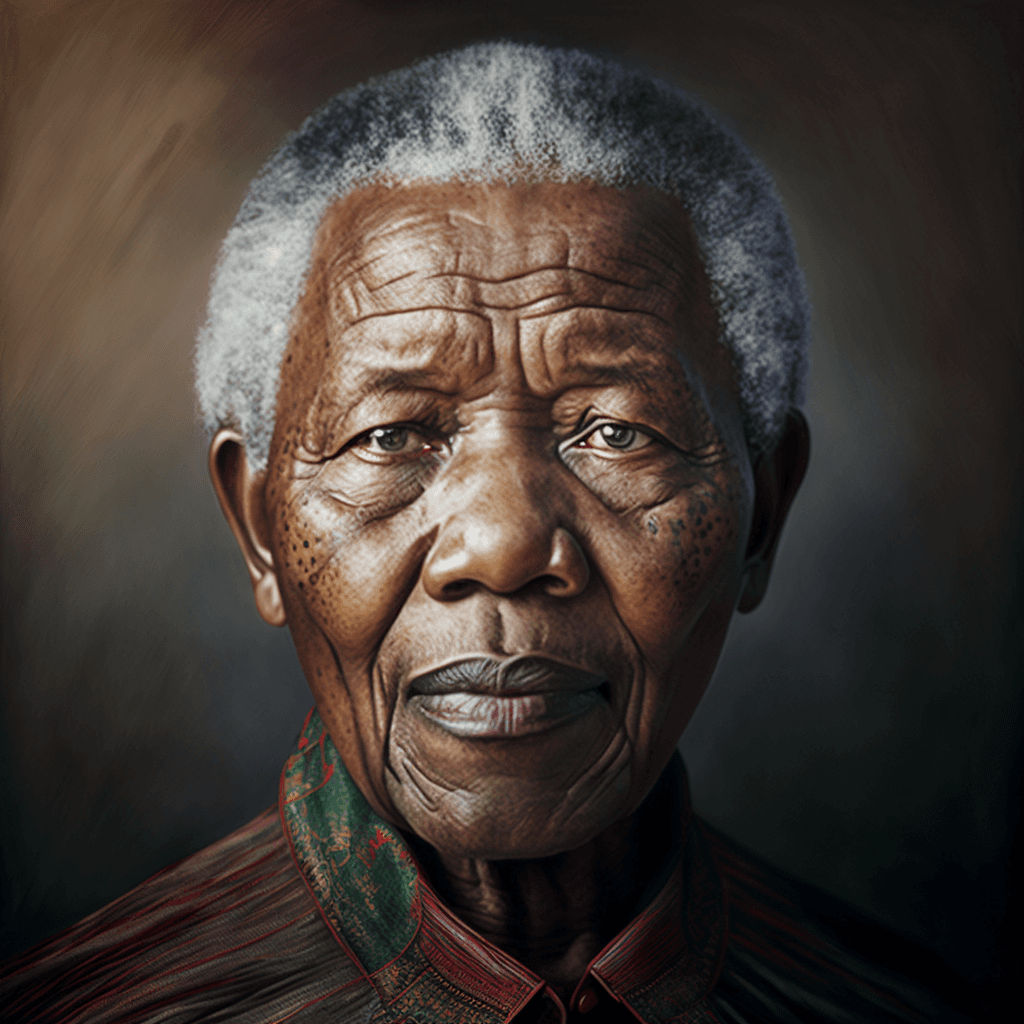
1918-2013
Statesman - Anti-Apartheid Leader - Reconciler
Нельсон Ролихлахла Мандела (Nelson Mandela) родился в Восточном Кейпе и обучался юриспруденции, прежде чем стать ключевым организатором в Африканском национальном конгрессе. Столкнувшись с институциональным расизмом апартеида, он перешел от ненасильственного протеста к вооруженному сопротивлению в условиях нарастающего подавления. Арестованный в 1962 году и позже приговоренный к пожизненному заключению, Мандела стал международным символом сопротивления.
В течение двадцати семи лет в тюрьме, большую часть из которых он провел на острове Роббен, статус Манделы рос по мере того, как антиапартеидная мобилизация усиливалась на глобальном уровне. Освобожденный в 1990 году, он вел переговоры с южноафриканским правительством о демонтаже структур апартеида и предотвращении более широкого гражданского конфликта. Его лидерство во время переговоров и перехода выборов сочетало стратегический прагматизм с моральной властью.
Как первый чернокожий президент Южной Африки в 1994 году, Мандела подчеркивал примирение, конституционализм и создание институтов, включая поддержку Комиссии правды и примирения. Он ушел в отставку после одного срока, укрепив демократические нормы в хрупкий политический момент. Наследие Манделы продолжает жить как модель принципиального лидерства в условиях долгосрочной несправедливости.
Ключевые моменты жизни и наследия этой личности
1918
Born into the Thembu royal lineage in South Africa.
1944
Became active in organized struggle against segregationist rule.
1964
Received life sentence and began long imprisonment.
1990
Freed after twenty-seven years and entered formal negotiations.
1994
Became president in South Africa's first democratic election.
Вехи, определяющие вклад этой личности в историю
Played a central role in mobilizing resistance against racial segregation laws.
Converted symbolic authority into practical political settlement.
Led South Africa's first multiracial democratic government.
Supported post-conflict justice and social healing institutions.
Примечательные детали об этой личности
Как эта личность изменила мир, который мы унаследовали
Мандела продемонстрировал, как политическая легитимность может быть восстановлена через переговоры, конституционный переход и сдержанное лидерство после системного угнетения. Его президентство стало глобальным примером поставторитарного примирения без стирания требований справедливости. В движениях за права человека и демократические реформы его жизнь остается ориентиром для этического государственного управления в экстремальных условиях.
Влияние на последующие поколения
Mandela demonstrated how political legitimacy can be rebuilt through negotiation, constitutional transition, and restrained leadership after systemic oppression. His presidency offered a global example of post-authoritarian reconciliation without erasing demands for justice. Across movements for human rights and democratic reform, his life remains a reference point for ethical statecraft under extreme conditions. Elected President (1994) remains a defining moment in Nelson Mandela's enduring reputation.
Другие профили той же эпохи или области
Подобранные образовательные ресурсы для дальнейшего изучения
Начните беседу и изучите мудрость через Historical Collection AI.