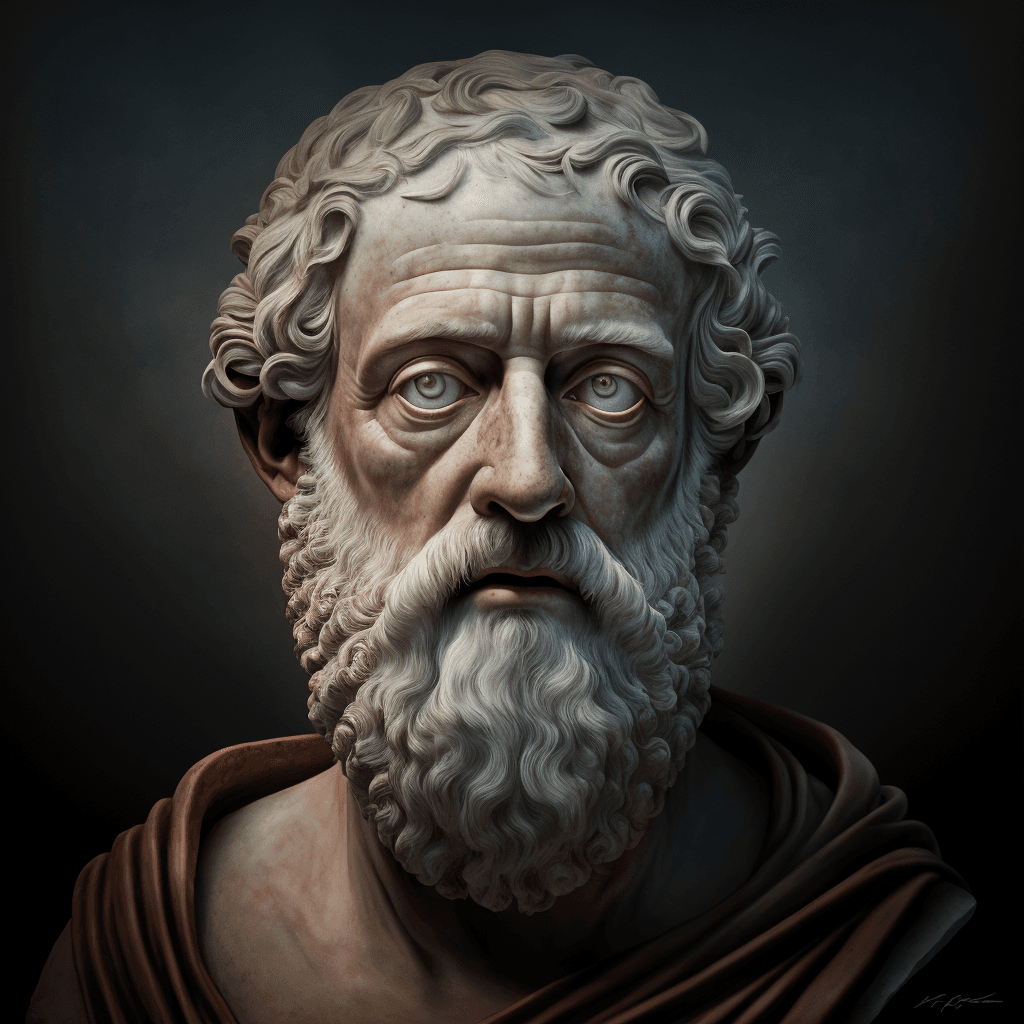
Pythagorean Theorem Tradition
Anchored a central geometric relation taught across global mathematics curricula.
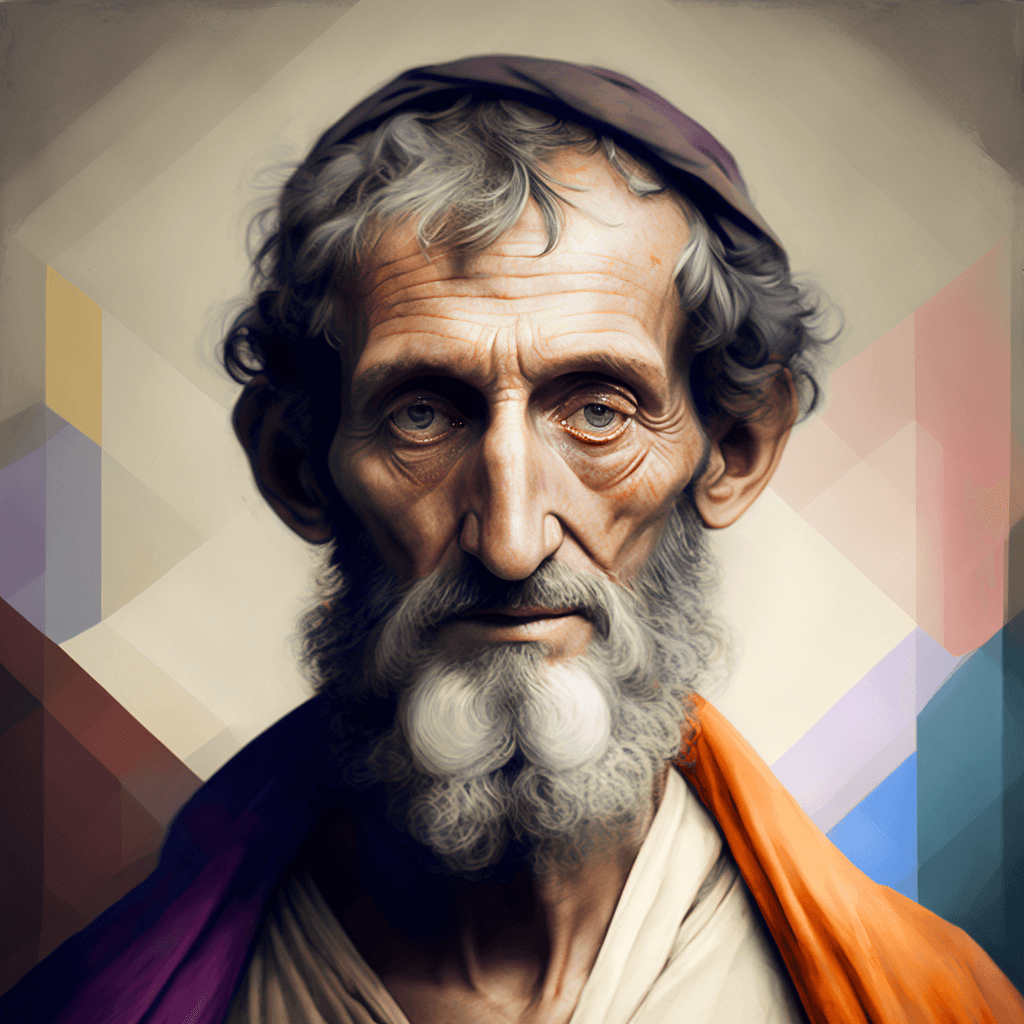
c.570-c.495 BC
Mathematician - Mystic - Philosopher
Пифагор (Пифагор) путешествовал по восточному Средиземноморью, прежде чем основать философское сообщество в Кротоне на юге Италии. Его круг объединял математику, космологию, этику и дисциплинированную общинную практику, делая его как интеллектуальным движением, так и социальной системой. Поскольку многие учения передавались коллективно, исторически сложно отделить идеи Пифагора от идей поздних пифагорейцев.
Теорема, носящая его имя, связывающая стороны прямоугольных треугольников, стала одним из самых устойчивых принципов геометрии, хотя предшественники существовали в более ранних цивилизациях. Пифагорейские исследования соотношений и гармоник связывали математику с музыкальной согласованностью и способствовали взгляду, что числовые отношения структурируют природу. Эта математическая ориентация повлияла на греческую философию и позднюю научную мысль.
Пифагорейские доктрины о душе, очищении и космическом порядке также сформировали религиозные и этические традиции в древнем мире. От Платона до современного математического образования пифагорейское наследие сочетает строгую абстракцию с метафизическими амбициями. Его фигура представляет ранний момент, когда математика стала как практическим инструментом, так и философским языком реальности.
Ключевые моменты жизни и наследия этой личности
c.570 BC
Born in the Aegean world during the rise of early Greek philosophy.
c.530 BC
Founded a school that combined mathematics, ethics, and communal life.
c.520 BC
Teachings spread through Magna Graecia via students and political networks.
c.510 BC
Community faced opposition and dispersal amid regional instability.
c.495 BC
Died after establishing traditions that outlived him for centuries.
Вехи, определяющие вклад этой личности в историю
Anchored a central geometric relation taught across global mathematics curricula.
Connected numerical ratios to harmonic intervals in musical theory.
Founded a community uniting scientific study with ethical discipline.
Advanced the idea that number underlies physical and metaphysical order.
Примечательные детали об этой личности
Как эта личность изменила мир, который мы унаследовали
Пифагор помог сделать математику центральной в философском исследовании в классическом мире. Пифагорейское убеждение в том, что числовая структура объясняет реальность, глубоко повлияло на Платона, поздний неоплатонизм и научный рационализм. Даже там, где легенда окружает его биографию, его интеллектуальная жизнь демонстрирует, как математическая идея может стать краеугольным камнем цивилизации.
Влияние на последующие поколения
Pythagoras helped make mathematics central to philosophical inquiry in the classical world. The Pythagorean conviction that numerical structure explains reality deeply influenced Plato, later Neoplatonism, and scientific rationalism. Even where legend surrounds his biography, his intellectual afterlife demonstrates how a mathematical idea can become a civilizational cornerstone. Death (c.495 BC) remains a defining moment in Pythagoras's enduring reputation.
Другие профили той же эпохи или области
Подобранные образовательные ресурсы для дальнейшего изучения
Начните беседу и изучите мудрость через Historical Collection AI.