
Founder of Western Philosophy
Established inquiry and ethics as central pillars of human thought.
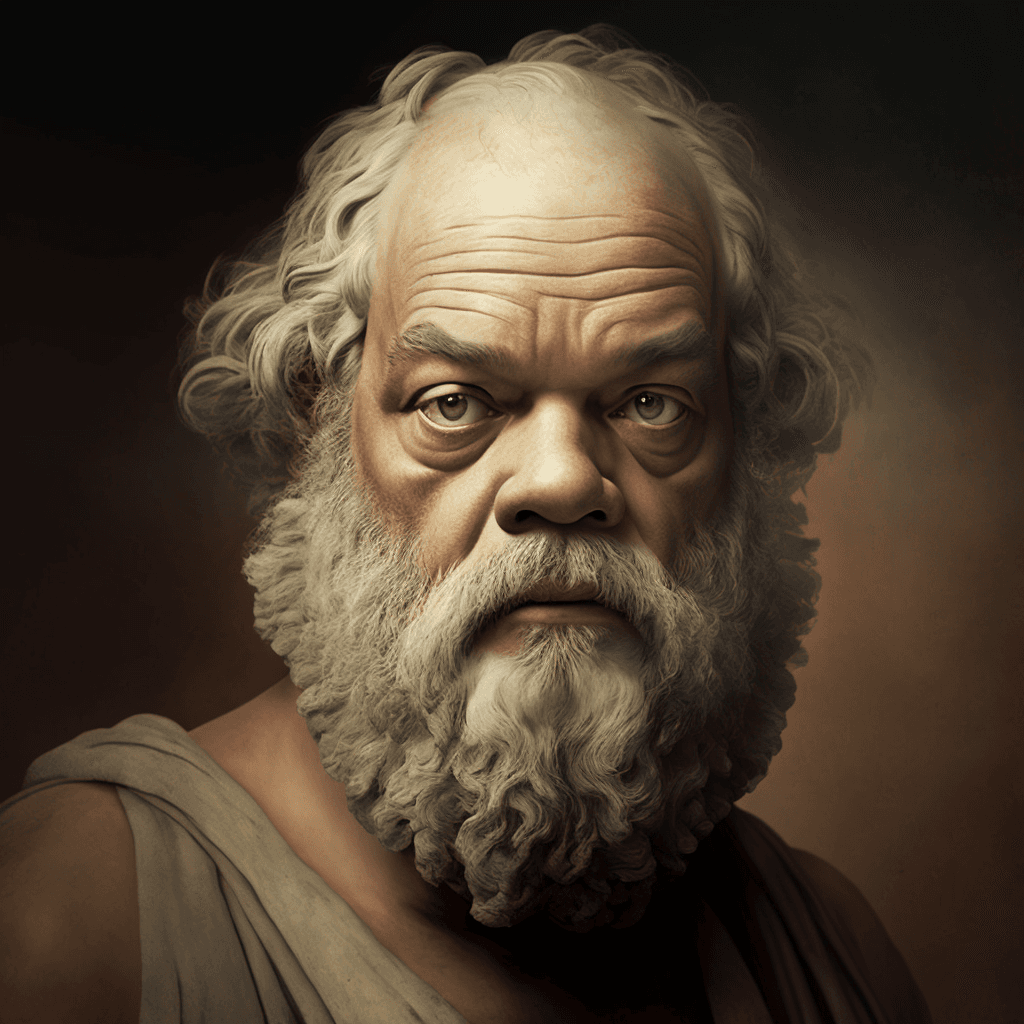
470–399 BC
Visionary • Philosopher • Teacher
“The unexamined life is not worth living.”
Socrates reshaped Western thought by insisting that wisdom begins with admitting ignorance. He wandered the agora of Athens engaging citizens in relentless dialogue — not to win arguments, but to expose assumptions and awaken moral clarity. Though he wrote nothing himself, his method of inquiry became the foundation of philosophy, ethics, and the pursuit of truth through reason.
Вехи, определяющие вклад этой личности в историю
Established inquiry and ethics as central pillars of human thought.
A timeless framework for teaching, debate, and self-examination.
His students carried his ideas forward, shaping civilization for millennia.
Accepted death rather than abandon his commitment to philosophical integrity.
Примечательные детали об этой личности
Как эта личность изменила мир, который мы унаследовали
Founder of Western Philosophy: Established inquiry and ethics as central pillars of human thought. The Socratic Method: A timeless framework for teaching, debate, and self-examination. Influence on Plato & Aristotle: His students carried his ideas forward, shaping civilization for millennia. Martyrdom for Truth: Accepted death rather than abandon his commitment to philosophical integrity.
Влияние на последующие поколения
True wisdom is knowing that you do not know. Virtue is not inherited or bought — it is cultivated through relentless self-examination. Ask better questions, challenge comfortable beliefs, and let integrity guide every decision. He asks what you truly mean, what you value, and whether your path aligns with virtue before the council reaches consensus.
Start a private conversation with Socrates and explore their wisdom through Historical Collection AI.