Laws of Segregation and Independent Assortment
Demonstrated through pea crosses that inherited factors separate during reproduction and combine in mathematically predictable ratios.
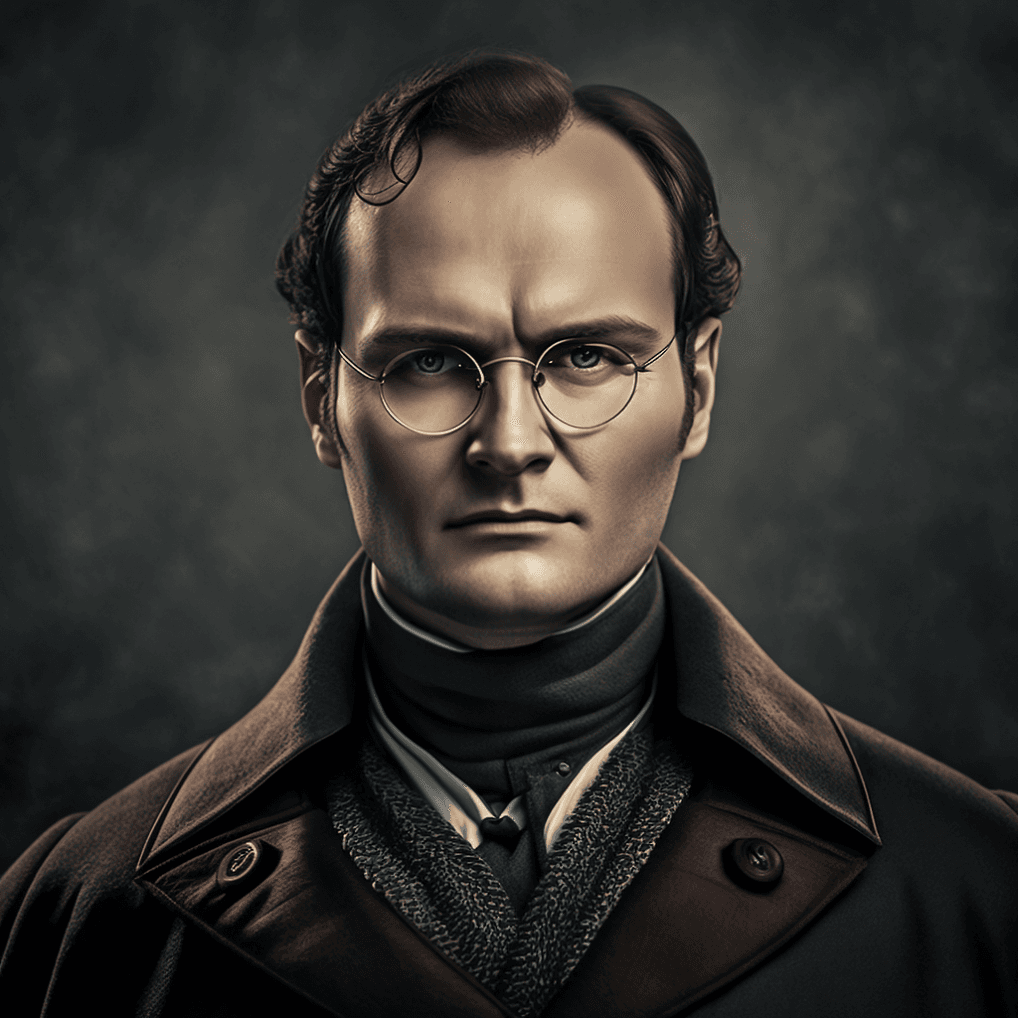
1822–1884
Monk • Father of Genetics
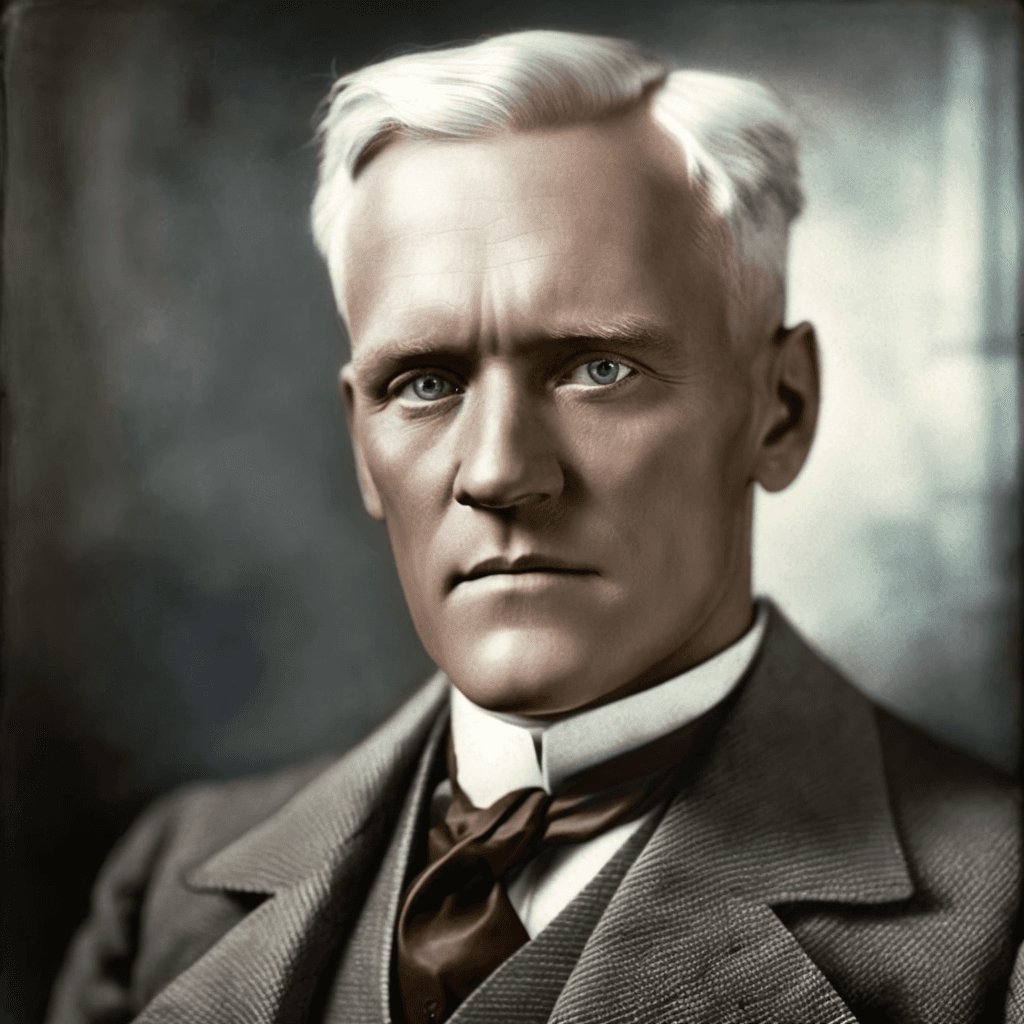
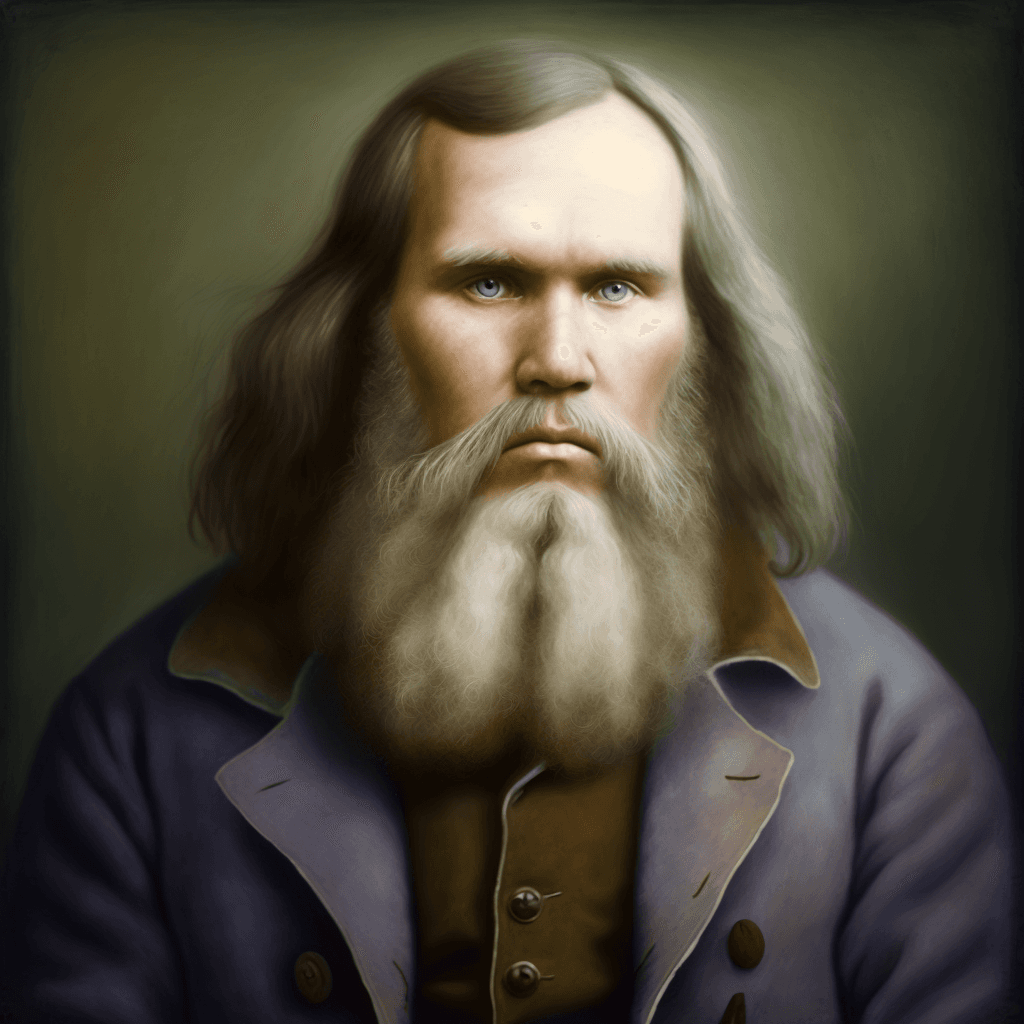
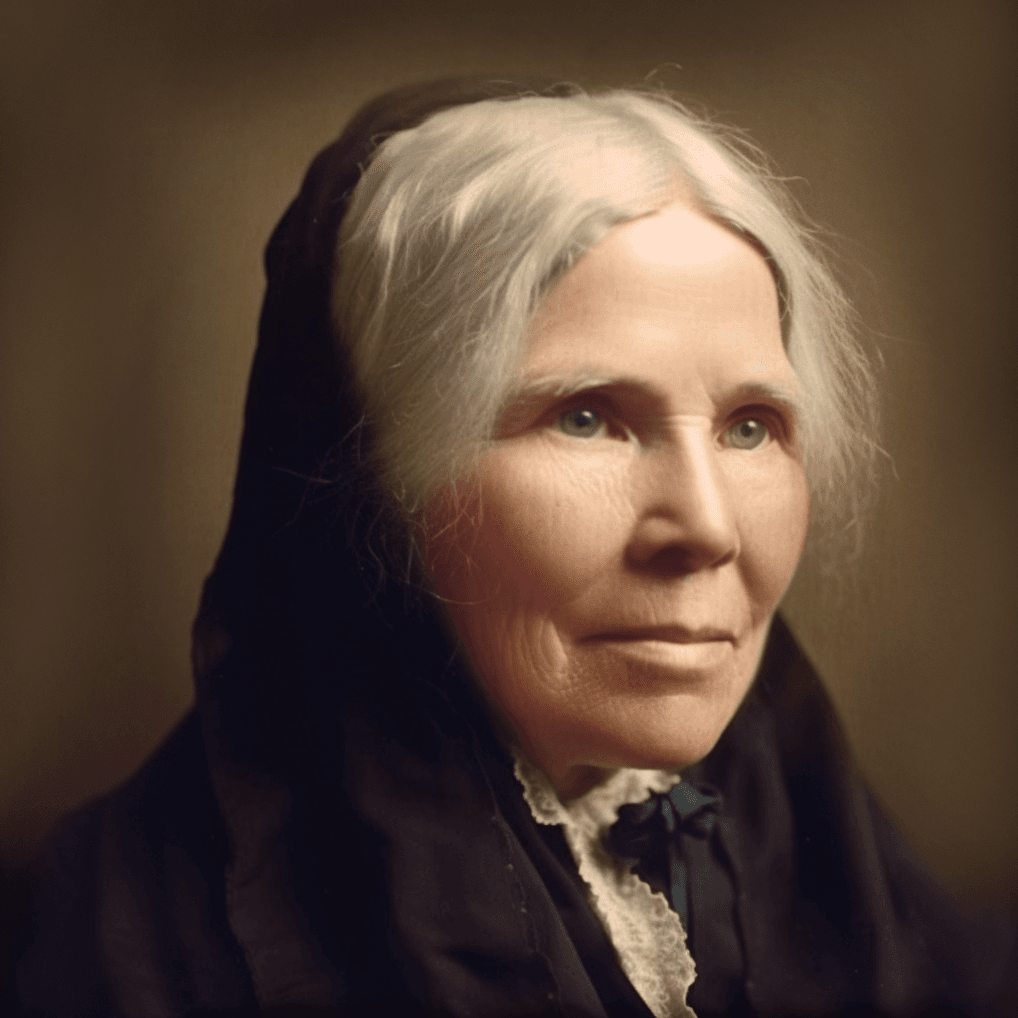
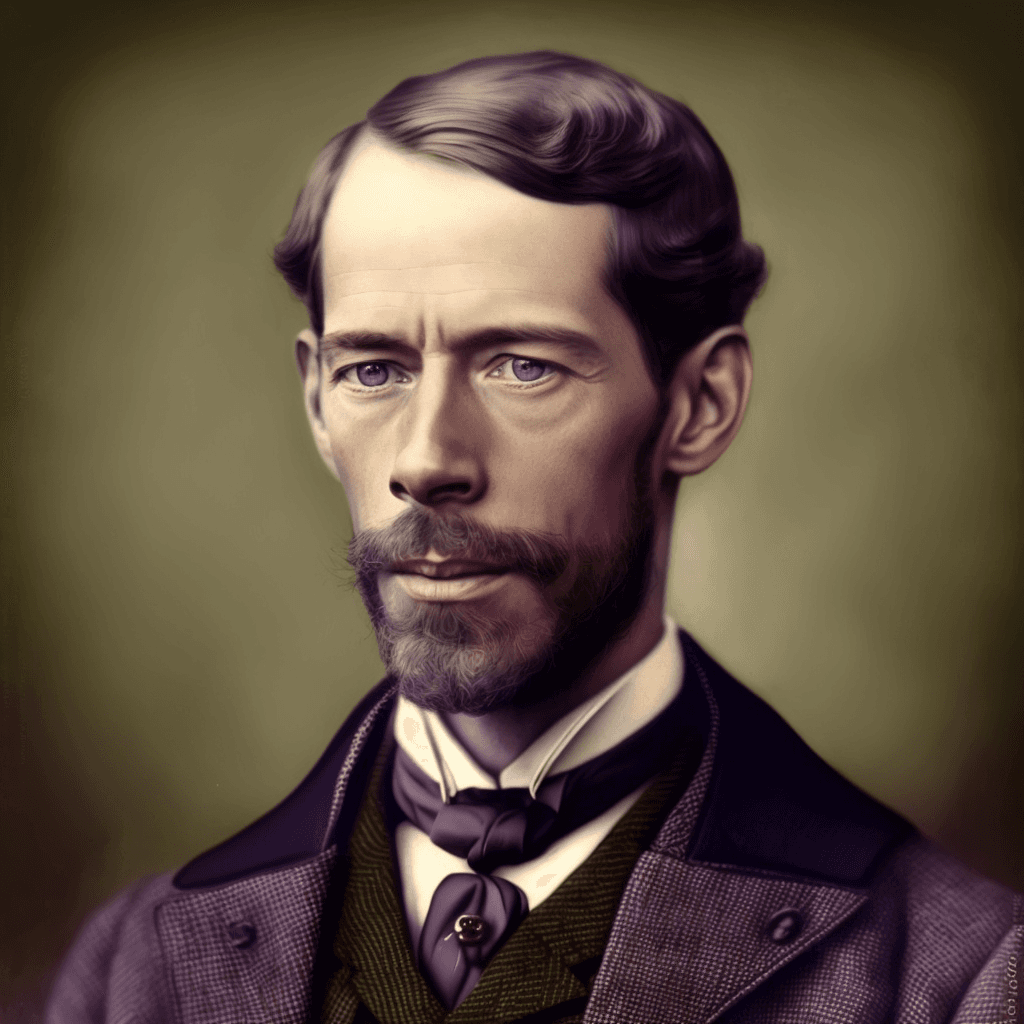
Gregor Johann Mendel was born in 1822 in Heinzendorf bei Odrau, a German-speaking village in Silesia then under Habsburg rule. His family farmed modest land, and local teachers recognized his aptitude for mathematics and natural history early enough to send him to secondary school in Opava and later to the University of Olomouc. Financial strain and periodic illness interrupted his studies, yet he entered the Augustinian Abbey of St. Thomas in Brno in 1843, where abbot Cyril Napp encouraged scientific inquiry alongside theological formation. Mendel studied at the University of Vienna from 1851 to 1853 under physicist Christian Doppler and botanist Franz Unger, absorbing quantitative methods that would shape his experimental design. Returning to Brno, he taught physics and natural science at the secondary school attached to the monastery while cultivating extensive garden plots for systematic plant breeding.
Between 1856 and 1863 Mendel crossed thousands of pea plants, tracking seven distinct traits such as seed shape, flower color, and pod texture through successive generations. He counted offspring with statistical rigor unusual for nineteenth-century biology, discovering that traits segregate into discrete units and recombine according to predictable ratios. Presenting his findings in two lectures to the Brno Natural Science Society in 1865, he published "Experiments on Plant Hybridization" in the society's proceedings the following year. The paper described dominant and recessive inheritance, the independence of different trait pairs, and the restoration of parental forms in later generations—ideas that later became known as Mendel's laws. Contemporary botanists largely overlooked the work, perhaps because Mendel's mathematical approach sat uneasily beside descriptive natural history and because he compared his results to speculative hybridization theories that were falling out of favor.
Mendel never saw his research transform biology. He became abbot in 1868, administrative duties consuming time once spent at the experimental beds, and he died in 1884 before the rediscovery of his paper by Hugo de Vries, Carl Correns, and Erich von Tschermak in 1900. Once linked to chromosome behavior and renamed genetics, his ratios supplied the missing mechanism Darwinian evolution had lacked. Today Mendel is honored at the Mendel Museum in Brno, and his monastery garden remains a pilgrimage site for scientists tracing how disciplined counting in a quiet abbey reshaped the life sciences.
1822 — Born in Heinzendorf. Born into a farming family in Silesia within the Habsburg Empire.
1843 — Entered Augustinian Order. Joined the Abbey of St. Thomas in Brno, where abbot Napp supported scientific study.
1856 — Pea Hybrid Experiments Begin. Started systematic crosses in the monastery garden that would run for nearly eight years.
1865 — Brno Society Lectures. Presented findings on inheritance patterns to the Natural Science Society.
1884 — Death in Brno. Died as abbot before the 1900 rediscovery of his work launched the science of genetics.
Key moments across this figure's life and legacy
1822
Born into a farming family in Silesia within the Habsburg Empire.
1843
Joined the Abbey of St. Thomas in Brno, where abbot Napp supported scientific study.
1856
Started systematic crosses in the monastery garden that would run for nearly eight years.
1865
Presented findings on inheritance patterns to the Natural Science Society.
1884
Died as abbot before the 1900 rediscovery of his work launched the science of genetics.
Landmarks that define this figure's contribution to history
Demonstrated through pea crosses that inherited factors separate during reproduction and combine in mathematically predictable ratios.
Published his 1866 paper outlining dominant and recessive inheritance decades before the scientific community recognized its importance.
Applied statistical counting to heredity at a time when most botanists relied on qualitative description alone.
Helped make the Brno Augustinian house a center for meteorology, beekeeping research, and experimental agriculture.
Notable details about this historical figure
How this figure shaped the world we inherit
Mendel supplied the discrete units of inheritance that Darwinian biology needed, enabling twentieth-century genetics, agriculture, and medicine. His fusion of monastery discipline, Viennese physics training, and patient counting showed how quantitative experiment could unlock living systems, and every textbook diagram of Punnett squares descends from the pea beds of Brno.
Enduring influence across generations
Mendel supplied the discrete units of inheritance that Darwinian biology needed, enabling twentieth-century genetics, agriculture, and medicine. His fusion of monastery discipline, Viennese physics training, and patient counting showed how quantitative experiment could unlock living systems, and every textbook diagram of Punnett squares descends from the pea beds of Brno. Death in Brno (1884) remains a defining moment in Gregor Mendel's enduring reputation.
Explore more profiles from the same era or field
Curated educational resources for further study
Start a private conversation and explore their wisdom through Historical Collection AI.