The Canon of Medicine
Compiled a comprehensive medical reference used for centuries in multiple regions.
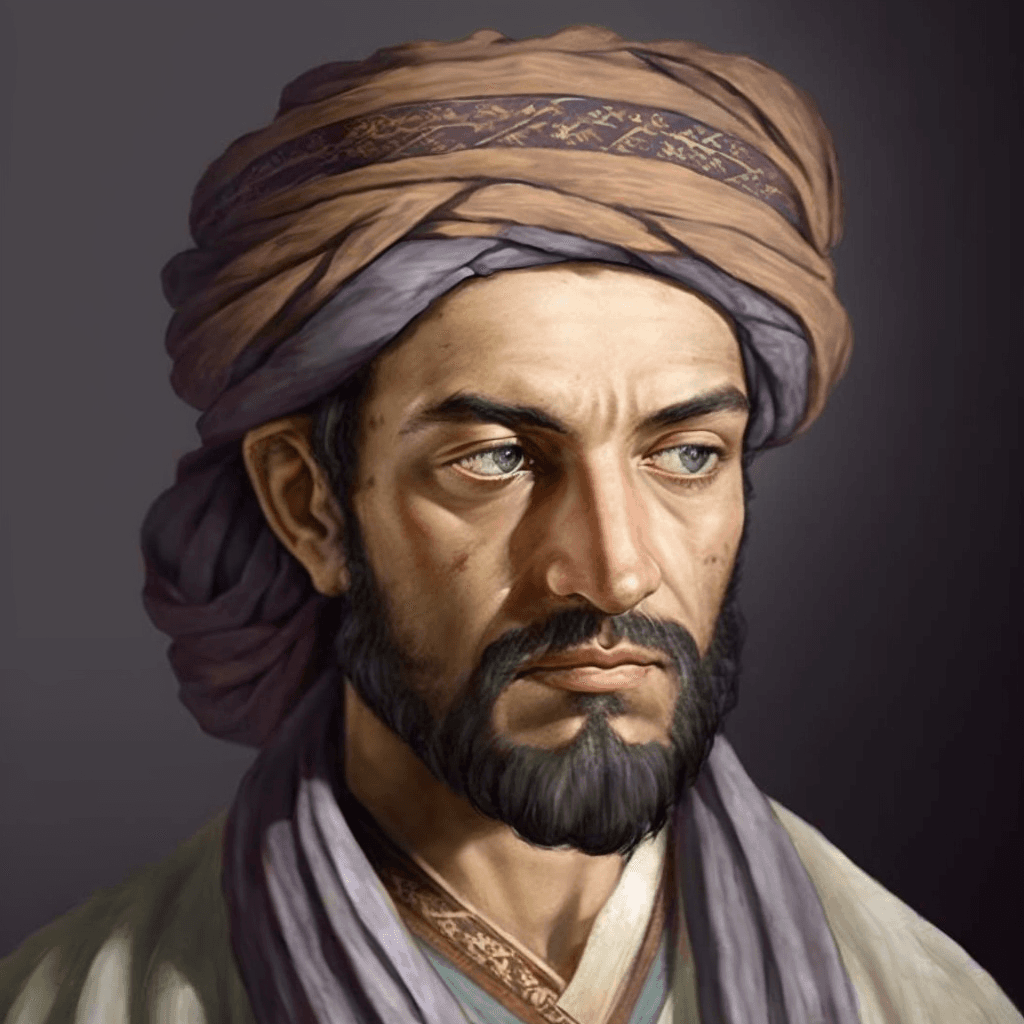
980-1037
Physician - Philosopher - Polymath
Ibn Sina, known in Latin as Avicenna, was born near Bukhara and demonstrated exceptional intellectual ability at a young age. Educated in logic, medicine, and philosophy, he served as physician and administrator in courts across Persia while writing extensively under unstable political conditions. His output spans medicine, metaphysics, logic, astronomy, and ethics.
His Canon of Medicine synthesized Greco-Roman, Persian, and Islamic medical knowledge into a systematic encyclopedia used for centuries in the Islamic world and Europe. In philosophy, his reinterpretation of Aristotle advanced influential arguments about existence, essence, and necessary being. Works such as The Book of Healing and The Canon became central texts in medieval curricula.
Ibn Sina's synthesis of empirical observation and rational analysis contributed to the transmission and transformation of classical knowledge across cultures. He influenced thinkers from Maimonides and Thomas Aquinas to later physicians and logicians. His legacy illustrates the intellectual dynamism of medieval Islamic civilization and its foundational role in global history of science and philosophy.
980 — Born near Bukhara. Born in the Samanid cultural sphere of Central Asia.
c.997 — Early Medical Practice. Gained recognition as a physician while still in youth.
c.1025 — Completes Canon of Medicine. Finalized major medical synthesis with diagnostic and pharmacological guidance.
1020s-1030s — Philosophical Writing Period. Composed major works on logic, metaphysics, and natural science.
1037 — Death in Hamadan. Died after a prolific career in scholarship and court service.
Key moments across this figure's life and legacy
980
Born in the Samanid cultural sphere of Central Asia.
c.997
Gained recognition as a physician while still in youth.
c.1025
Finalized major medical synthesis with diagnostic and pharmacological guidance.
1020s-1030s
Composed major works on logic, metaphysics, and natural science.
1037
Died after a prolific career in scholarship and court service.
Landmarks that define this figure's contribution to history
Compiled a comprehensive medical reference used for centuries in multiple regions.
Developed influential distinctions between essence and existence.
Produced a wide-ranging philosophical and scientific encyclopedia.
Bridged Greek thought and later scholastic traditions through synthesis and commentary.
Notable details about this historical figure
How this figure shaped the world we inherit
Ibn Sina stands among the most consequential transmitters and transformers of ancient knowledge into medieval and early modern intellectual traditions. His medical framework structured teaching and practice for centuries, while his metaphysical system influenced Islamic theology and Latin scholastic philosophy. He exemplifies how cross-cultural synthesis can generate durable advances in both science and the humanities.
Enduring influence across generations
Ibn Sina stands among the most consequential transmitters and transformers of ancient knowledge into medieval and early modern intellectual traditions. His medical framework structured teaching and practice for centuries, while his metaphysical system influenced Islamic theology and Latin scholastic philosophy. He exemplifies how cross-cultural synthesis can generate durable advances in both science and the humanities. Death in Hamadan (1037) remains a defining moment in Ibn Sina (Avicenna)'s enduring reputation.
Explore more profiles from the same era or field
Curated educational resources for further study
Start a private conversation and explore their wisdom through Historical Collection AI.