Victory at Gallipoli
His 1915 defense of the Dardanelles stalled Allied invasion and established his reputation as a strategist.
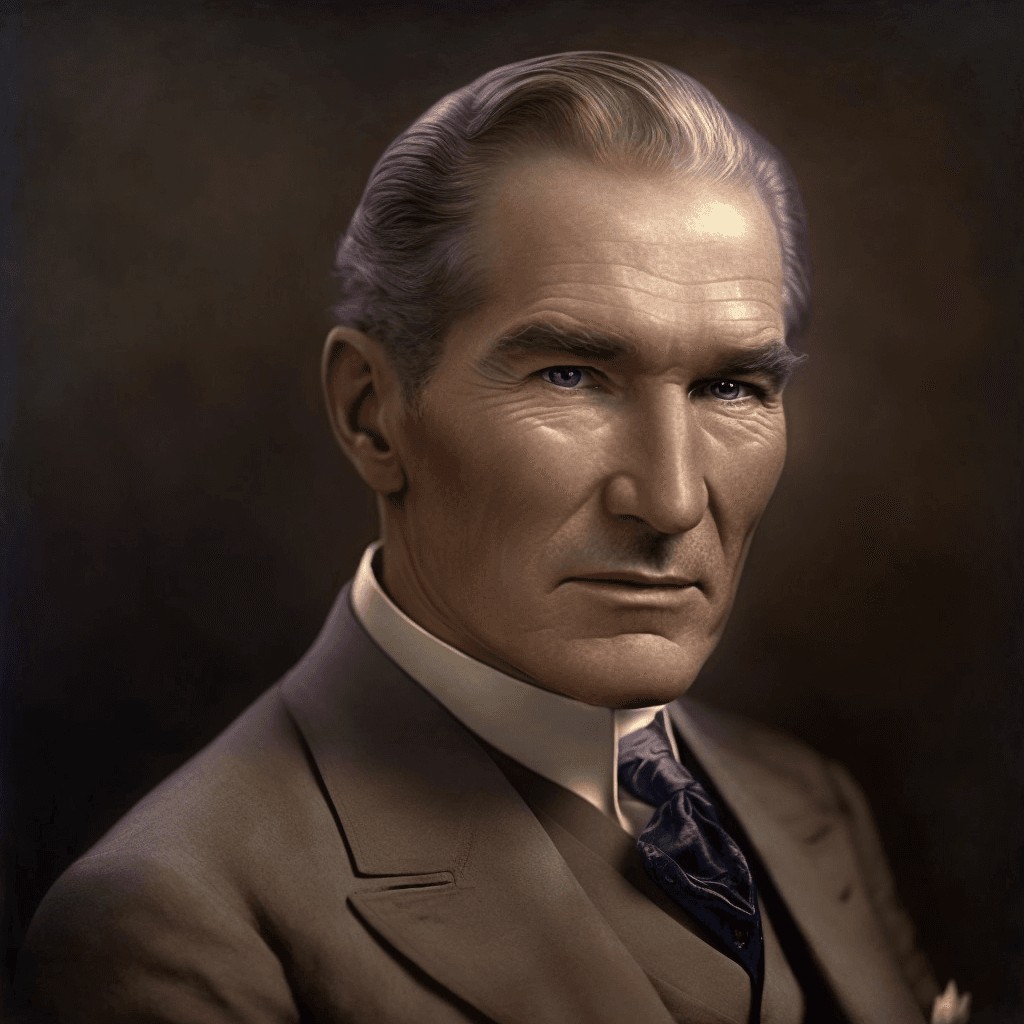
1881–1938
Founder of Modern Turkey • Reformer
Mustafa Kemal was born in 1881 in Salonica (Thessaloniki), then part of the Ottoman Empire. Educated in military schools, he served in Libya, the Balkan Wars, and gained fame defending Gallipoli against Allied landings in 1915. After the Ottoman defeat in World War I, Allied occupation of Anatolia and Greek incursion spurred nationalist resistance.
Kemal organized congresses at Erzurum and Sivas, built a provisional government in Ankara, and won the Turkish War of Independence (1919–1922). The Treaty of Lausanne recognized the new borders of Turkey. He abolished the sultanate, moved the capital to Ankara, and proclaimed the republic in 1923, taking the surname Atatürk—'Father of the Turks.'
As president until his death in 1938, he imposed Latin script, secular law, women's voting rights, and Western dress reforms while maintaining strong state control. Atatürk's legacy remains central to Turkish national identity, honored in law while debated by critics of his authoritarian methods.
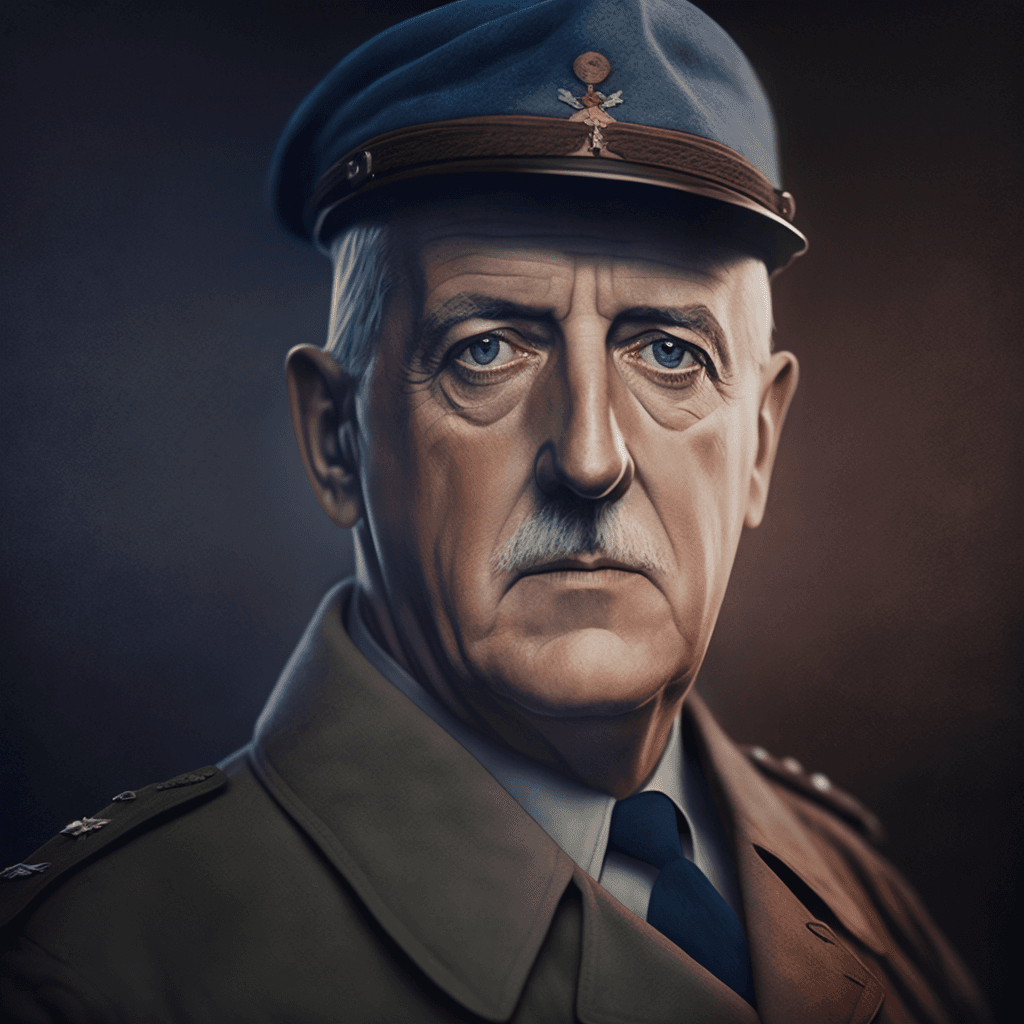
1881 — Birth in Salonica. Mustafa Kemal grew up in a declining Ottoman port city before entering military academy in Istanbul.
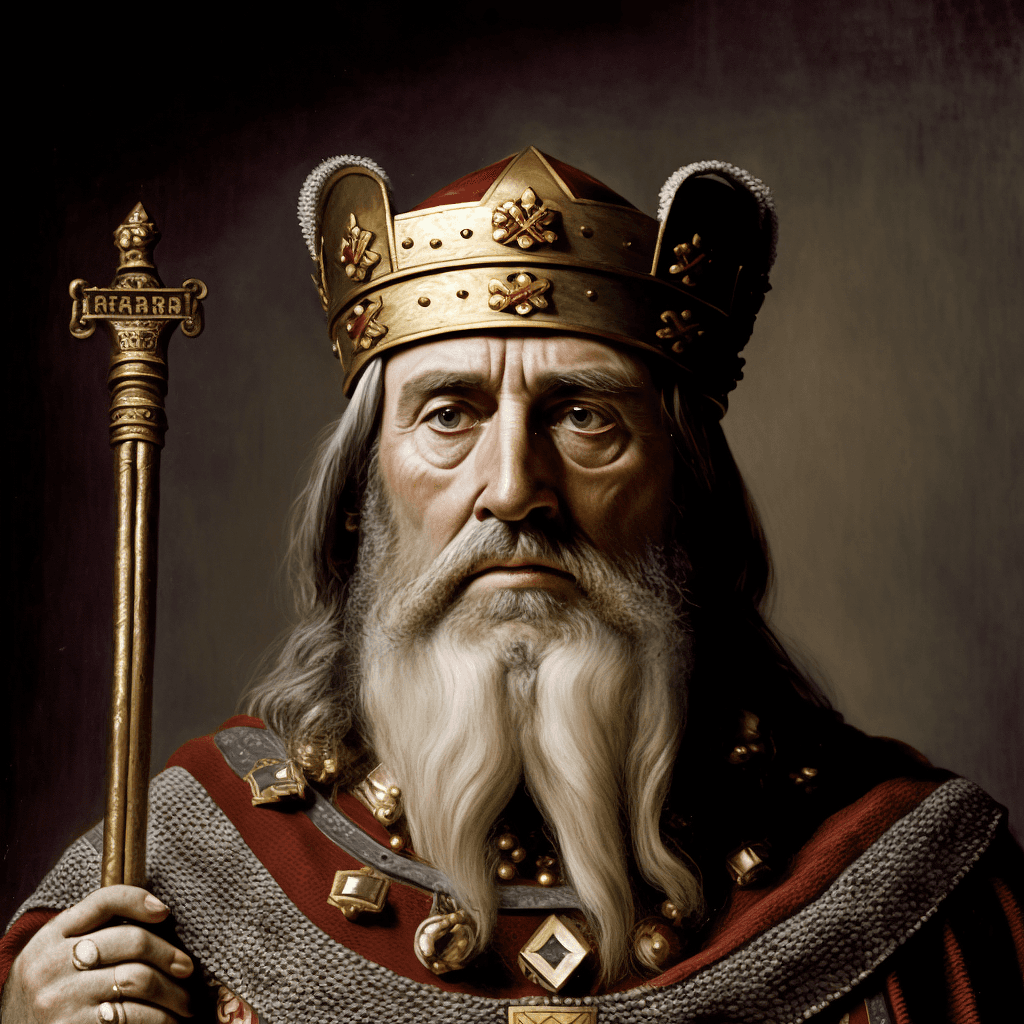
1915 — Gallipoli Campaign. He directed Ottoman defenses that inflicted heavy casualties on British, French, and ANZAC landings.
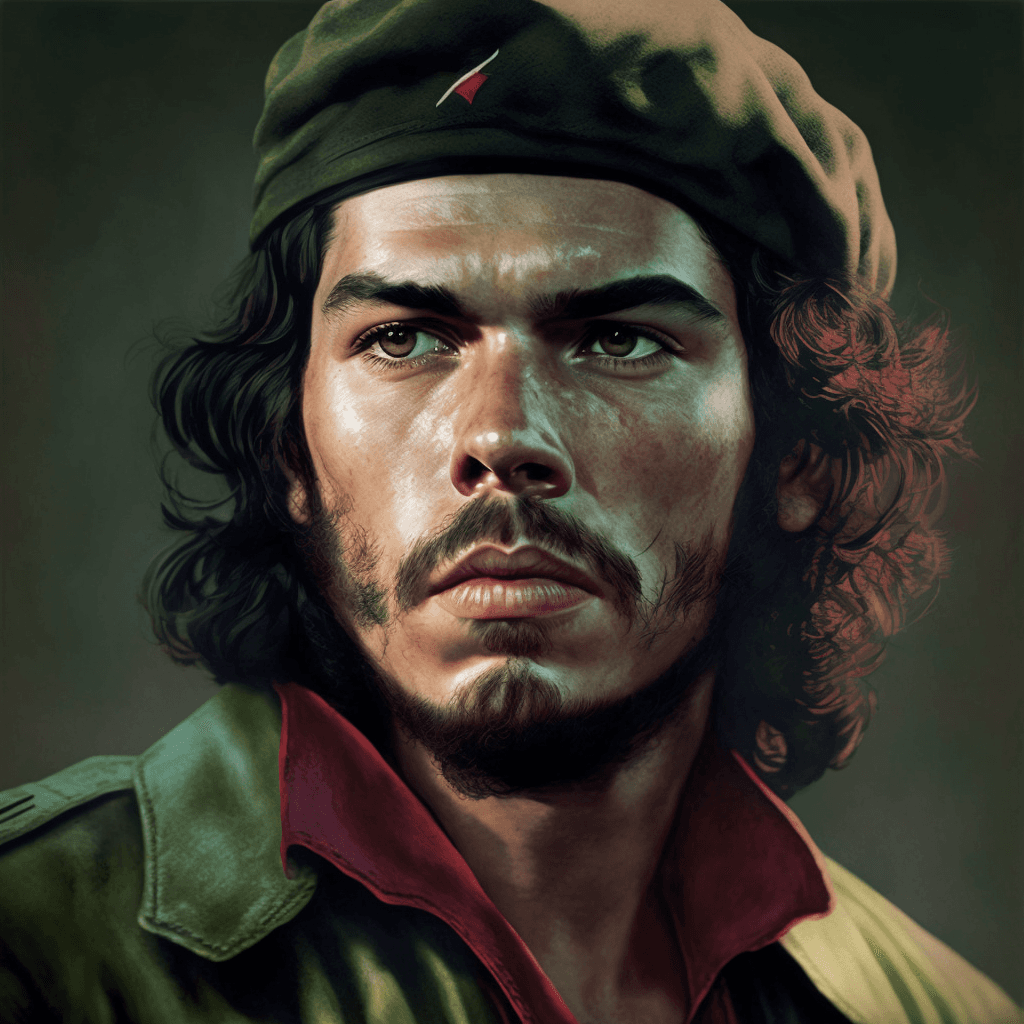
1920 — Ankara Government. Kemal convened the Grand National Assembly in Ankara, rejecting the sultan's authority in occupied Istanbul.
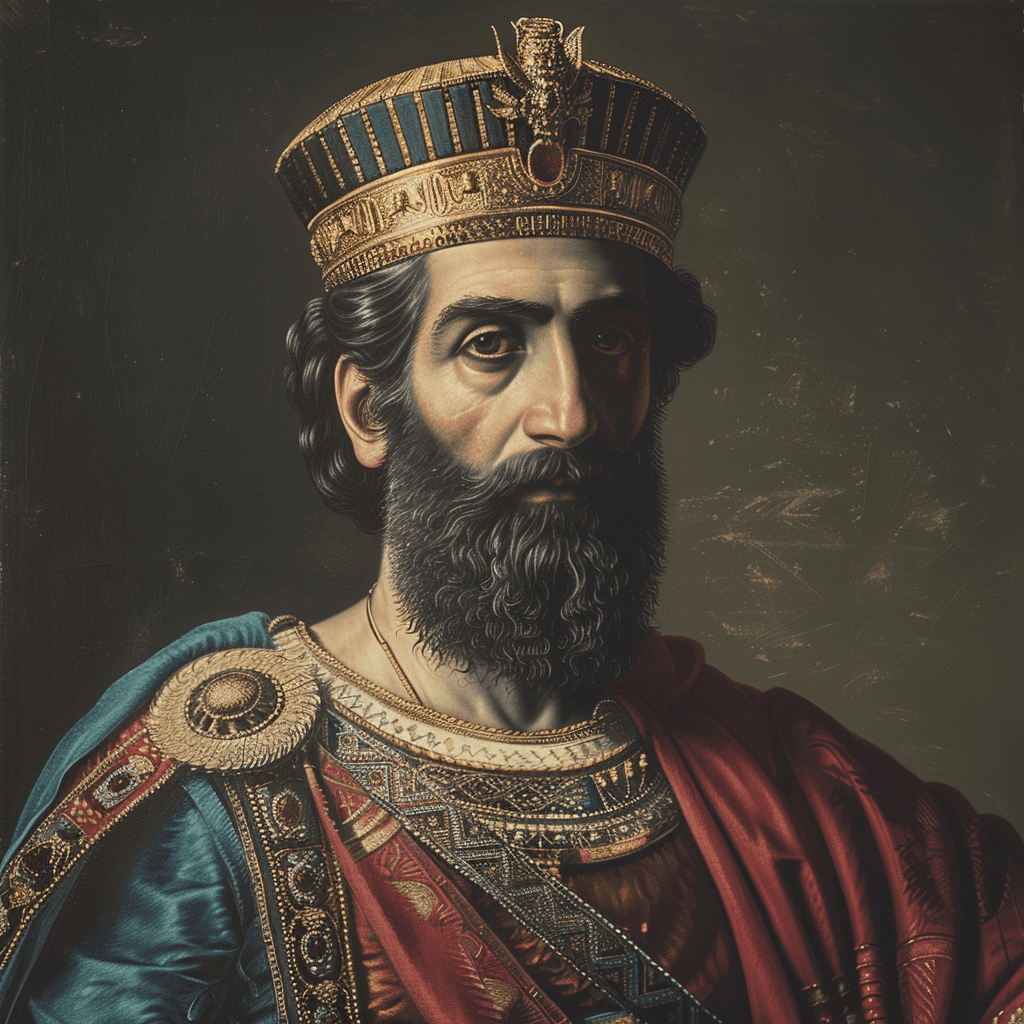
1923 — Republic Proclaimed. The Treaty of Lausanne recognized Turkey's borders; Kemal became its first president.
1938 — Death in Istanbul. Atatürk died of cirrhosis; his mausoleum Anıtkabir in Ankara became the nation's principal memorial site.
Key moments across this figure's life and legacy
1881
Mustafa Kemal grew up in a declining Ottoman port city before entering military academy in Istanbul.
1915
He directed Ottoman defenses that inflicted heavy casualties on British, French, and ANZAC landings.
1920
Kemal convened the Grand National Assembly in Ankara, rejecting the sultan's authority in occupied Istanbul.
1923
The Treaty of Lausanne recognized Turkey's borders; Kemal became its first president.
1938
Atatürk died of cirrhosis; his mausoleum Anıtkabir in Ankara became the nation's principal memorial site.
Landmarks that define this figure's contribution to history
His 1915 defense of the Dardanelles stalled Allied invasion and established his reputation as a strategist.
Kemal unified nationalist forces, expelled occupying armies, and secured the Ankara government's survival.
He proclaimed the Republic of Turkey on October 29, 1923, ending six centuries of Ottoman imperial rule.
Atatürk separated religion from law, adopted the Latin alphabet, and expanded civil rights for women in the new state.
Notable details about this historical figure
How this figure shaped the world we inherit
Atatürk compressed empire into a nation-state, aligning Turkey with secular republican modernity while preserving a strong military-political center. His reforms shaped Turkish institutions and continue to frame political struggles over religion, identity, and democracy in the region.
Enduring influence across generations
Atatürk compressed empire into a nation-state, aligning Turkey with secular republican modernity while preserving a strong military-political center. His reforms shaped Turkish institutions and continue to frame political struggles over religion, identity, and democracy in the region. Death in Istanbul (1938) remains a defining moment in Mustafa Kemal Atatürk's enduring reputation.
Explore more profiles from the same era or field
Curated educational resources for further study
Start a private conversation and explore their wisdom through Historical Collection AI.