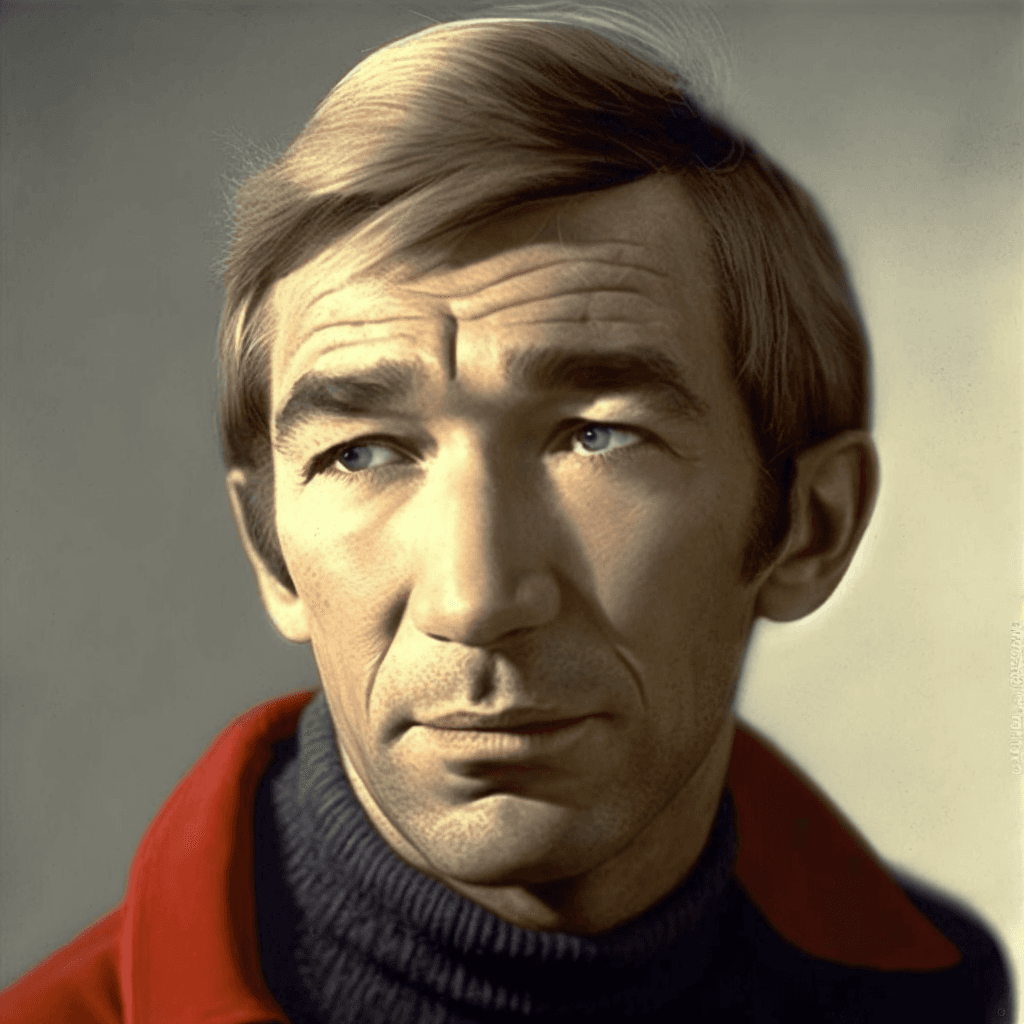
Bullitt Car Chase
Starred in a film whose San Francisco pursuit sequence set standards for cinematic action realism.
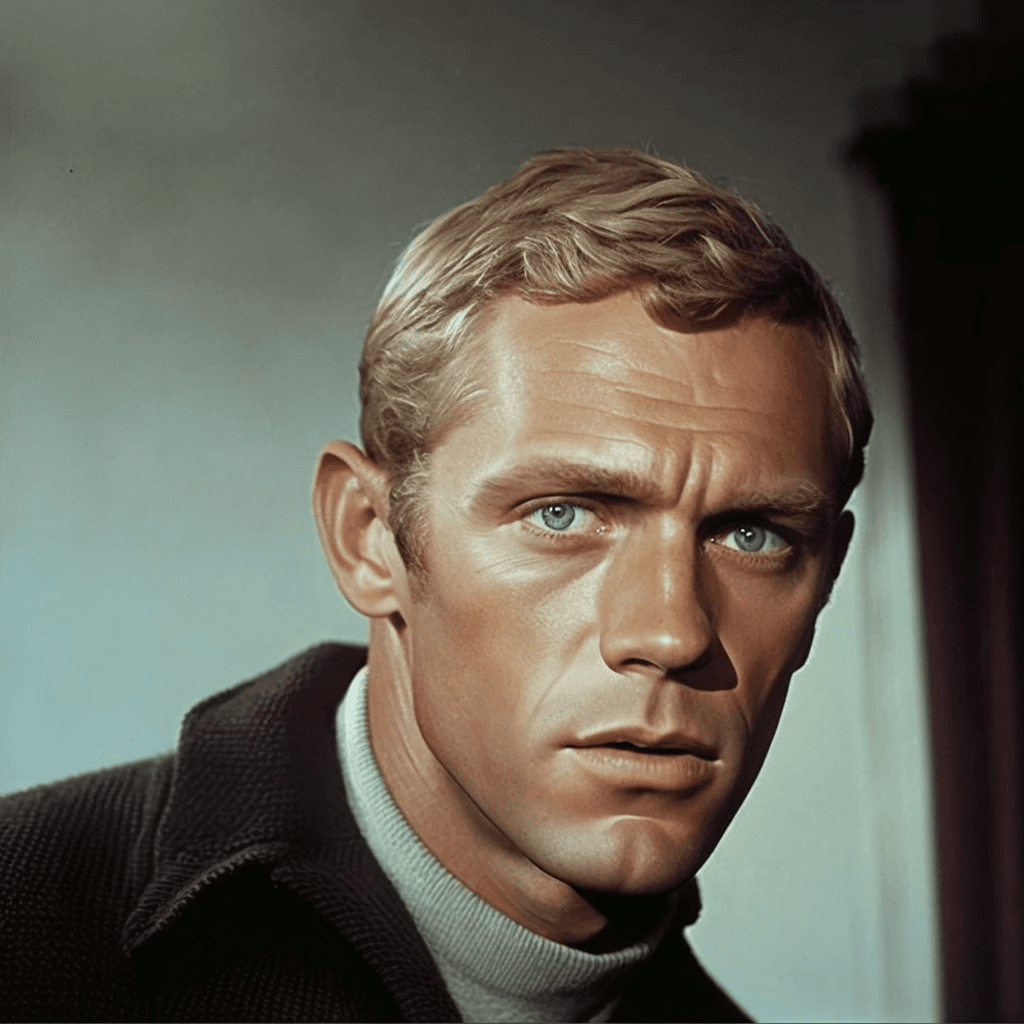
1930–1980
Actor • King of Cool
Terrence Steven McQueen was born on 24 March 1930 in Beech Grove, Indiana, raised partly in Missouri and later Los Angeles after an unstable childhood marked by foster homes and reform school. He joined the Marines, served honorably despite demotions for unauthorized leave, and studied acting on the GI Bill at Sanford Meisner's studio. Television work on Wanted: Dead or Alive and the film The Magnificent Seven established a minimalist style—few words, physical grace, and eyes that carried scenes without exposition.
McQueen became Hollywood's highest-paid star by the late 1960s, choosing roles that emphasized competence under pressure: the prisoner digging tunnels in The Great Escape, the San Francisco detective pursuing criminals through San Francisco streets in Bullitt's legendary car chase, and the racing driver in Le Mans. Off screen he pursued motorcycle and automobile racing seriously, performing many stunts himself and embodying a masculinity defined by skill rather than speech. His marriages to Neile Adams and Ali MacGraw attracted tabloid attention, and he struggled with substance abuse and industry politics, including disputes over billing and creative control.
Diagnosed with mesothelioma likely linked to asbestos exposure in racing suits and military service, McQueen sought controversial treatment in Mexico before dying on 7 November 1980 in Juárez at fifty. Fashion brands still reference his turtlenecks and Persol sunglasses; car collectors celebrate the Highland Green Mustang from Bullitt. Film historians place him between Method intensity and postwar stoicism, a star whose restraint influenced action cinema from Clint Eastwood to Ryan Gosling's quieter roles. Documentaries and biographies explore contradictions between charitable generosity toward Boys Republic school and turbulent personal relationships. McQueen's persona crystallized a moment when American audiences admired self-reliant individualism even as social movements questioned its limits.
1930 — Born in Indiana. Born in Beech Grove and raised amid family instability and foster care.
1958 — Wanted: Dead or Alive. Gained television fame as bounty hunter Josh Randall.
1963 — The Great Escape. Achieved international stardom in a World War II prison break epic.
1968 — Bullitt. Defined cinematic cool in a San Francisco police thriller with an iconic chase.
1980 — Death in Mexico. Died of mesothelioma while seeking experimental treatment.
Key moments across this figure's life and legacy
1930
Born in Beech Grove and raised amid family instability and foster care.
1958
Gained television fame as bounty hunter Josh Randall.
1963
Achieved international stardom in a World War II prison break epic.
1968
Defined cinematic cool in a San Francisco police thriller with an iconic chase.
1980
Died of mesothelioma while seeking experimental treatment.
Landmarks that define this figure's contribution to history
Starred in a film whose San Francisco pursuit sequence set standards for cinematic action realism.
Played Captain Hilts, cementing his image as resilient prisoner and escape artist.
Competed professionally in motorsport, blending authentic skill with on-screen roles.
Became one of the highest-paid actors of the late 1960s through disciplined, physical performance.
Notable details about this historical figure
How this figure shaped the world we inherit
McQueen codified a screen archetype of competent, silent masculinity that dominated late-twentieth-century action and fashion, while his commitment to real racing blurred boundaries between performance and lifestyle. Bullitt and The Great Escape remain reference points for stunt choreography and star persona, illustrating how postwar American cinema celebrated individual skill amid changing social norms.
Enduring influence across generations
McQueen codified a screen archetype of competent, silent masculinity that dominated late-twentieth-century action and fashion, while his commitment to real racing blurred boundaries between performance and lifestyle. Bullitt and The Great Escape remain reference points for stunt choreography and star persona, illustrating how postwar American cinema celebrated individual skill amid changing social norms. Death in Mexico (1980) remains a defining moment in Steve McQueen's enduring reputation.
Explore more profiles from the same era or field
Curated educational resources for further study
Start a private conversation and explore their wisdom through Historical Collection AI.