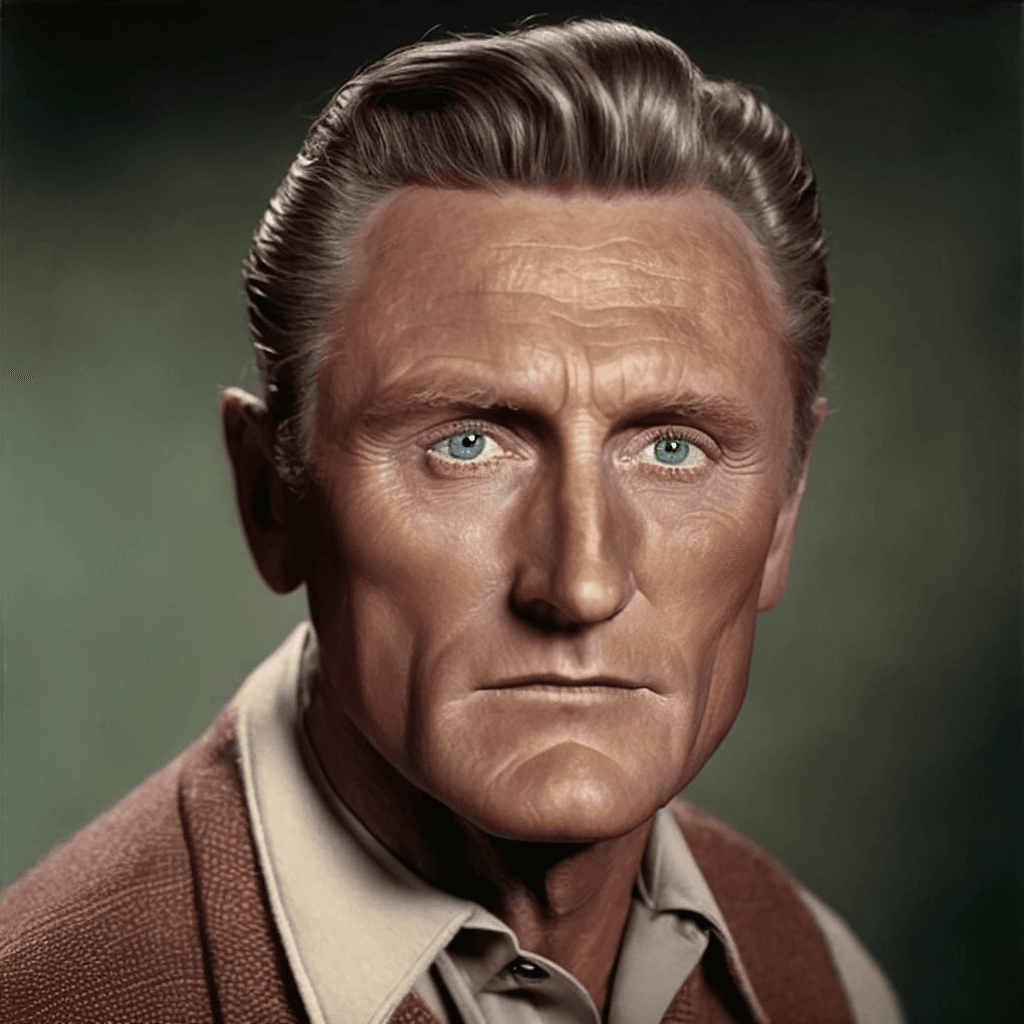
The King and I
Defined the role of King Mongkut in over four thousand performances on stage and screen.

1920–1985
Actor • Star of Stage and Screen
Yul Brynner was born Yuliy Borisovich Briner on 11 July 1920 in Vladivostok, Russia, though he later varied birth details. His Swiss-born father and Russian mother fled civil war to Harbin, China, then Paris, where Brynner played guitar in Russian nightclubs and worked as a circus acrobat and model before moving to the United States in 1940. Early Broadway roles and television work preceded his transformation into one of Broadway's most iconic kings when Rodgers and Hammerstein cast him as Mongkut in The King and I in 1951.
Brynner shaved his head for the role and kept the look as trademark, playing the Siamese monarch more than four thousand times on stage and screen across three decades. His filmography includes The Ten Commandments as Rameses II, Anastasia, The Magnificent Seven, and Westworld, where he portrayed a relentless robot gunslinger. Photographers capitalized on his exoticized charisma—angular face, intense gaze, ambiguous Eurasian background—at a time when Hollywood often typecast ethnic ambiguity into orientalized authority. He won the Academy Award for Best Actor for the 1956 film version of The King and I and remained a box-office draw through the 1960s.
Brynner became a vocal anti-smoking advocate after lung cancer diagnosis, filming a public service announcement aired after his death on 10 October 1985 in New York City. The announcement's stark warning that he would not be alive to see it aired became one of television's most remembered health messages. He held dual citizenship claims and carefully managed public biography, sometimes obscuring Romani heritage and exact origins. Theater historians credit him with anchoring a musical that navigated colonial encounter awkwardly yet powerfully through performance rather than historical accuracy. His King and I recordings and film continue in revival, and parodies from Anna and the King to animated references keep his silhouette recognizable. Brynner exemplifies mid-century stardom built on physical distinctiveness, musical theater crossover, and roles that blended imperial command with personal mystique.
1920 — Born in Vladivostok. Born in Russia amid civil war, later emigrating through China and France.
1951 — Broadway King and I. Premiered as King Mongkut in Rodgers and Hammerstein's musical.
1956 — Oscar for The King and I. Won Academy Award for the film version of his signature role.
1960 — The Magnificent Seven. Starred in the Western remake of Seven Samurai.
1985 — Death in New York. Died of lung cancer; anti-smoking PSA aired posthumously.
Key moments across this figure's life and legacy
1920
Born in Russia amid civil war, later emigrating through China and France.
1951
Premiered as King Mongkut in Rodgers and Hammerstein's musical.
1956
Won Academy Award for the film version of his signature role.
1960
Starred in the Western remake of Seven Samurai.
1985
Died of lung cancer; anti-smoking PSA aired posthumously.
Landmarks that define this figure's contribution to history
Defined the role of King Mongkut in over four thousand performances on stage and screen.
Won Best Actor for the 1956 film adaptation of The King and I.
Portrayed Pharaoh Rameses II in Cecil B. DeMille's epic, a signature cinematic role.
Recorded a posthumous public service announcement warning against tobacco after dying of lung cancer.
Notable details about this historical figure
How this figure shaped the world we inherit
Brynner shaped mid-century American perceptions of exotic authority through musical theater and biblical epic, while his distinctive appearance and disciplined stage repetition made The King and I a enduring cultural reference. His posthumous anti-smoking campaign reached millions, adding public health impact to a career defined by commanding performance and carefully cultivated mystique.
Enduring influence across generations
Brynner shaped mid-century American perceptions of exotic authority through musical theater and biblical epic, while his distinctive appearance and disciplined stage repetition made The King and I a enduring cultural reference. His posthumous anti-smoking campaign reached millions, adding public health impact to a career defined by commanding performance and carefully cultivated mystique. Death in New York (1985) remains a defining moment in Yul Brynner's enduring reputation.
Explore more profiles from the same era or field
Curated educational resources for further study
Start a private conversation and explore their wisdom through Historical Collection AI.