The Analects
Collected teachings on virtue, governance, and self-cultivation, foundational to East Asian thought.
Discover
Explore influential historical figures from science, philosophy, leadership, art, and culture.
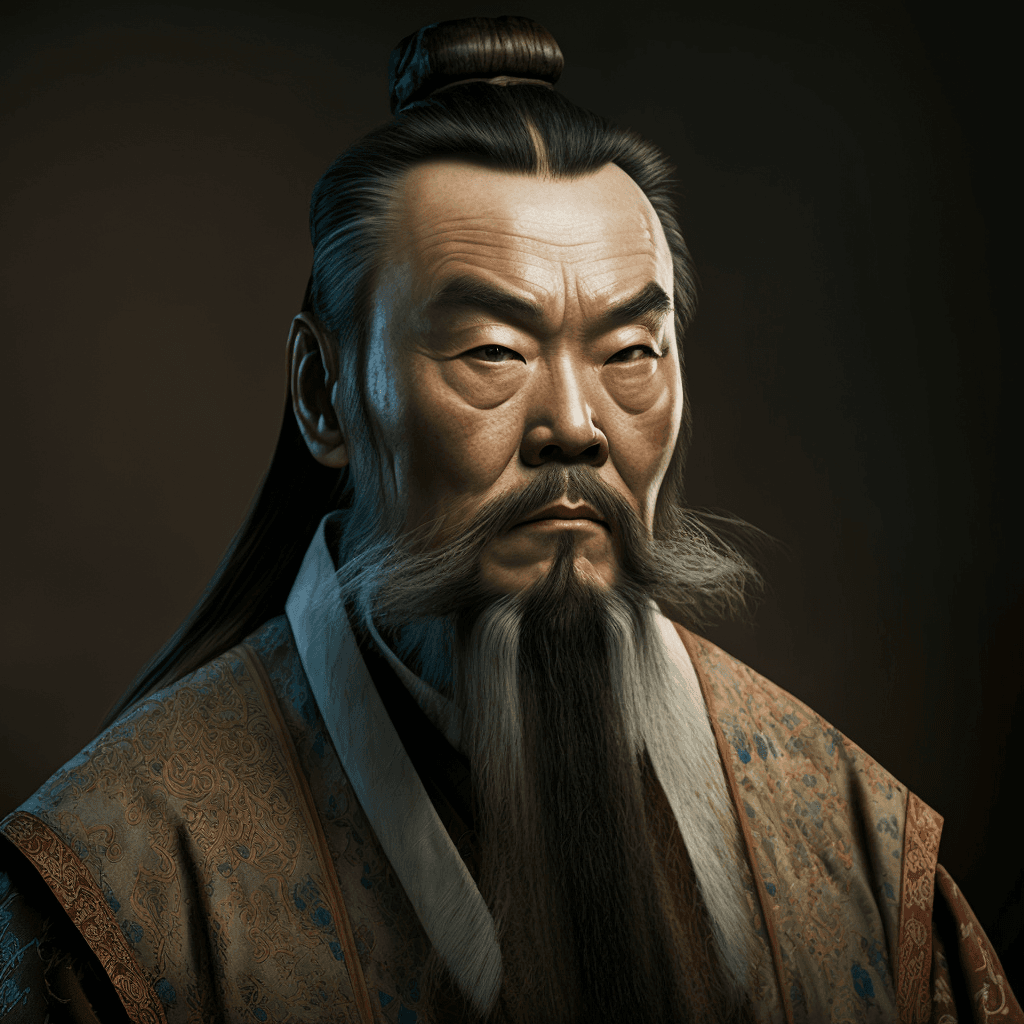
551–479 BC
Philosopher • Teacher • Moralist
This is a read-only educational profile. Chat, Council Mode, and AI features are not available for historical figures.
Confucius, known in Chinese as Kong Qiu, was born in the state of Lu during the Zhou dynasty's decline—a time of political fragmentation and social upheaval. He sought office to restore order through moral leadership but spent much of his life traveling among rulers, offering counsel that often went unheeded. His true legacy lay in teaching: gathering disciples who recorded his conversations and principles.
Central to Confucian thought are ren (benevolence or humaneness), li (ritual propriety), and the cultivation of junzi—the exemplary person who leads by virtue rather than coercion. Confucius emphasized filial piety, reciprocal obligations, and education as the path to personal and social harmony. He believed that if rulers modeled integrity, subjects would follow, stabilizing society from the family upward.
Compiled after his death, the Analects became the core Confucian text, influencing Chinese governance, education, and ethics for over two millennia. Confucian ideals spread to Korea, Japan, and Vietnam, shaping civil service examinations, family structures, and concepts of legitimate authority. Confucius remains a global symbol of ethical leadership and lifelong learning.
Key moments across this figure's life and legacy
551 BC
Born in Shandong region during an era of warring Chinese states.
522 BC
Established a school emphasizing character, history, and ritual.
497 BC
Journeyed among rulers seeking to implement ethical governance.
484 BC
Spent final years editing classics and instructing disciples.
479 BC
Mourned by followers; teachings preserved in texts that shaped civilization.
Landmarks that define this figure's contribution to history
Collected teachings on virtue, governance, and self-cultivation, foundational to East Asian thought.
Articulated benevolence and ritual propriety as pillars of moral and social order.
Promoted learning for all capable of study, not only the aristocracy.
Argued that moral example and merit-based service strengthen states more than force alone.
How this figure shaped the world we inherit
Confucius gave East Asia a durable moral vocabulary for politics, family, and education. Imperial China built its bureaucracy on Confucian examinations; reformers and revolutionaries alike engaged with his legacy. Today his emphasis on reciprocity, respect, and lifelong cultivation continues to inform debates on leadership, community, and the relationship between tradition and modernity across the Pacific world and beyond.
Explore more profiles from the same era or field
Curated educational resources for further study
Discover historical art and educational content on our media channels