Preservation of the Union
Held the United States together through four years of civil war.
Discover
Explore influential historical figures from science, philosophy, leadership, art, and culture.
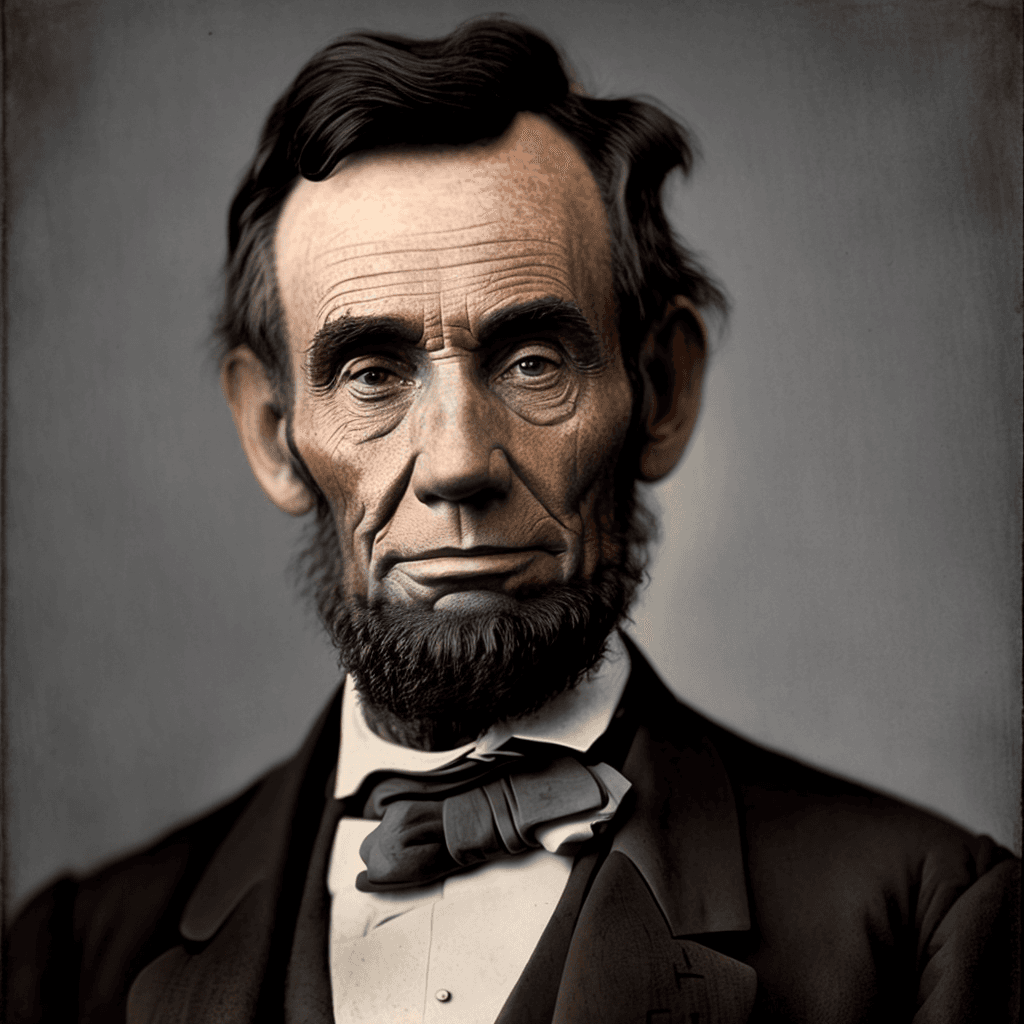
1809–1865
Leader • Orator • Emancipator
This is a read-only educational profile. Chat, Council Mode, and AI features are not available for historical figures.
Abraham Lincoln was born in a log cabin in Kentucky and raised on the frontier, receiving little formal schooling yet developing a sharp mind through reading and self-education. He worked as a rail-splitter, store clerk, surveyor, and lawyer before entering Illinois politics. His debates with Stephen Douglas over slavery's expansion brought national attention and, in 1860, the presidency—at a moment when the Union was fracturing.
Lincoln's leadership during the Civil War tested every dimension of democratic governance: raising armies, balancing political factions, and redefining the war's purpose. The Emancipation Proclamation of 1863 declared freedom for enslaved people in Confederate-held territory, transforming the conflict into a struggle over human bondage. His Gettysburg Address reframed the nation as dedicated to equality and self-government, giving the war a moral horizon beyond military victory.
Reelected in 1864, Lincoln pressed for the Thirteenth Amendment abolishing slavery nationwide. Assassinated by John Wilkes Booth in April 1865, days after Confederate surrender, he became a martyr and symbol of union, freedom, and democratic perseverance. His rise from frontier poverty to transformative presidency embodies the American promise—and its unfinished work.
Key moments across this figure's life and legacy
1809
Raised in frontier poverty in the American backcountry.
1830s–1840s
Practiced law in Illinois and served in the state legislature and U.S. House.
1860
Won the presidency as Southern states began seceding from the Union.
1863
Issued the Emancipation Proclamation and delivered the Gettysburg Address.
1865
Shot at Ford's Theatre after Confederate surrender; died the next morning.
Landmarks that define this figure's contribution to history
Held the United States together through four years of civil war.
Declared freedom for enslaved people in rebel states, redefining war aims.
Articulated democracy's stakes in fewer than 300 enduring words.
Championed constitutional abolition of slavery before his death.
How this figure shaped the world we inherit
Lincoln redefined the American experiment at its breaking point. By tying Union survival to emancipation, he helped end chattel slavery in the United States and inspired later movements for civil rights worldwide. His rhetoric—plain, precise, and elevated—set a standard for democratic leadership under pressure. Historians continue to debate his decisions, but his legacy as the emancipator-president remains central to how modern democracies confront injustice and division.
Explore more profiles from the same era or field
Curated educational resources for further study
Discover historical art and educational content on our media channels