Achaemenid Empire Founded
Unified Persia, Media, Lydia, and Babylon into a multi-ethnic empire unprecedented in scale.
Discover
Explore influential historical figures from science, philosophy, leadership, art, and culture.
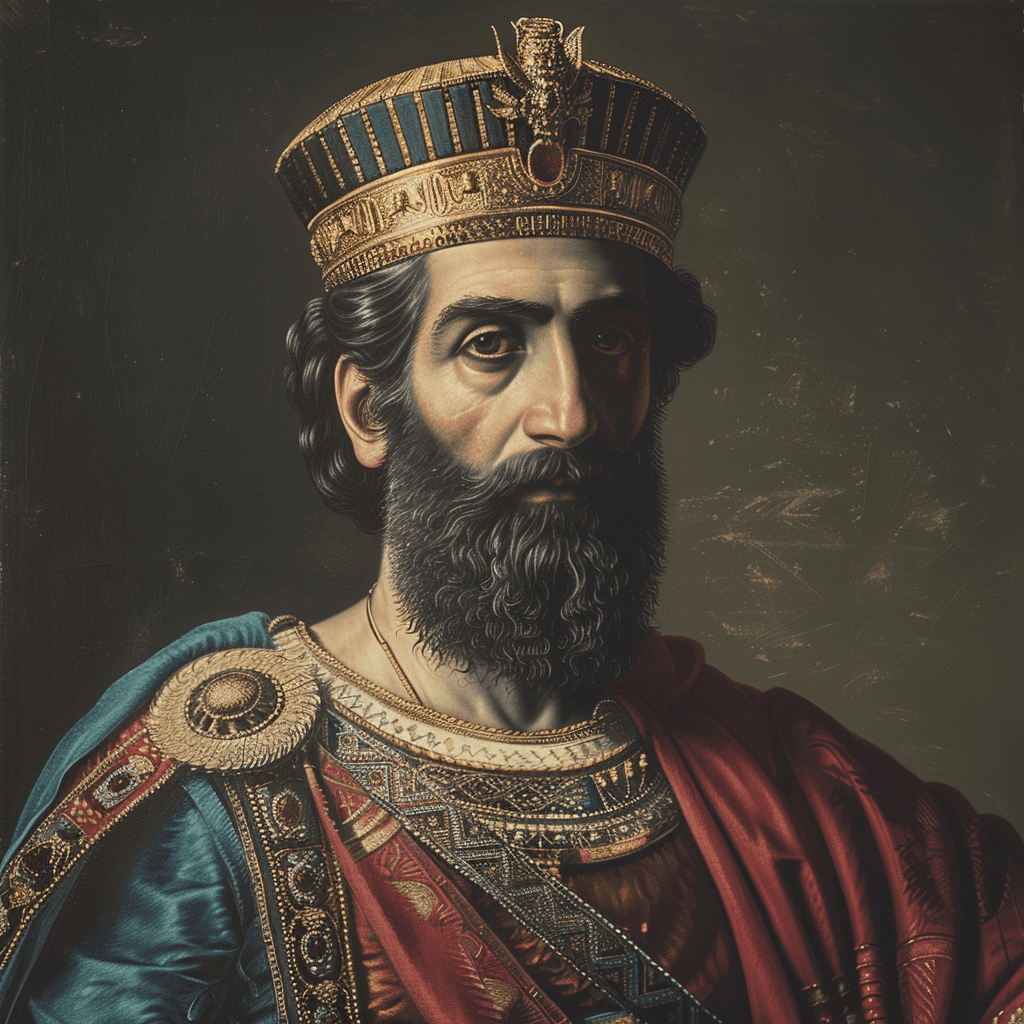
c. 600–530 BC
Emperor • Conqueror • Lawgiver
This is a read-only educational profile. Chat, Council Mode, and AI features are not available for historical figures.
Cyrus II of Anshan, known to history as Cyrus the Great, emerged from the Persian heartland in the sixth century BC to overturn the Near Eastern balance of power. He first overthrew his Median overlord Astyages, uniting Persian and Median forces, then turned westward against Lydia's Croesus and eastward into Central Asia. By mid-century he commanded the largest empire yet assembled, stretching from the Aegean to the Indus valley.
In 539 BC Cyrus captured Babylon without the catastrophic sack many inhabitants feared. Cuneiform records, including the Cyrus Cylinder, describe repatriation of displaced peoples and restoration of temples—a policy that allowed subject nations to retain local cults and elites. The Hebrew Bible likewise credits him with authorizing Jewish exiles to return to Jerusalem and rebuild the Temple, embedding his name in Jewish and Christian memory as an instrument of divine providence.
Cyrus died around 530 BC campaigning on the northeastern frontier, possibly against the Massagetae. His tomb at Pasargadae and the administrative structures he bequeathed to his son Cambyses and successor Darius I established patterns of satrap governance, royal road communication, and imperial ideology that persisted until Alexander's conquest two centuries later.
Key moments across this figure's life and legacy
c. 550 BC
Overthrew Median king Astyages and merged Persian and Median power.
c. 547 BC
Defeated Croesus of Sardis, extending Persian rule to the Aegean coast.
539 BC
Entered Babylon and issued decrees of religious restoration recorded on the Cyrus Cylinder.
c. 530 BC
Died fighting on the northeastern frontier; buried at Pasargadae in a stone tomb still standing.
Landmarks that define this figure's contribution to history
Unified Persia, Media, Lydia, and Babylon into a multi-ethnic empire unprecedented in scale.
Issued proclamations of clemency and temple restoration that ancient scribes preserved as royal propaganda.
Took Babylon through strategic diplomacy and maneuver, minimizing destruction of the city.
Laid groundwork for provincial governance that Darius I later codified across the empire.
How this figure shaped the world we inherit
Cyrus redefined imperial rule by presenting conquest as liberation rather than mere plunder. The Achaemenid model of tolerant, decentralized administration influenced successor empires from the Hellenistic kingdoms to Rome's eastern provinces. Jews, Greeks, and modern Iranians each claim him as a founding figure, making him a rare ancient ruler whose reputation spans competing civilizations.
Explore more profiles from the same era or field
Curated educational resources for further study
Discover historical art and educational content on our media channels