Strait Navigation
Led first known transit of the strait connecting Atlantic and Pacific oceans.
Discover
Explore influential historical figures from science, philosophy, leadership, art, and culture.
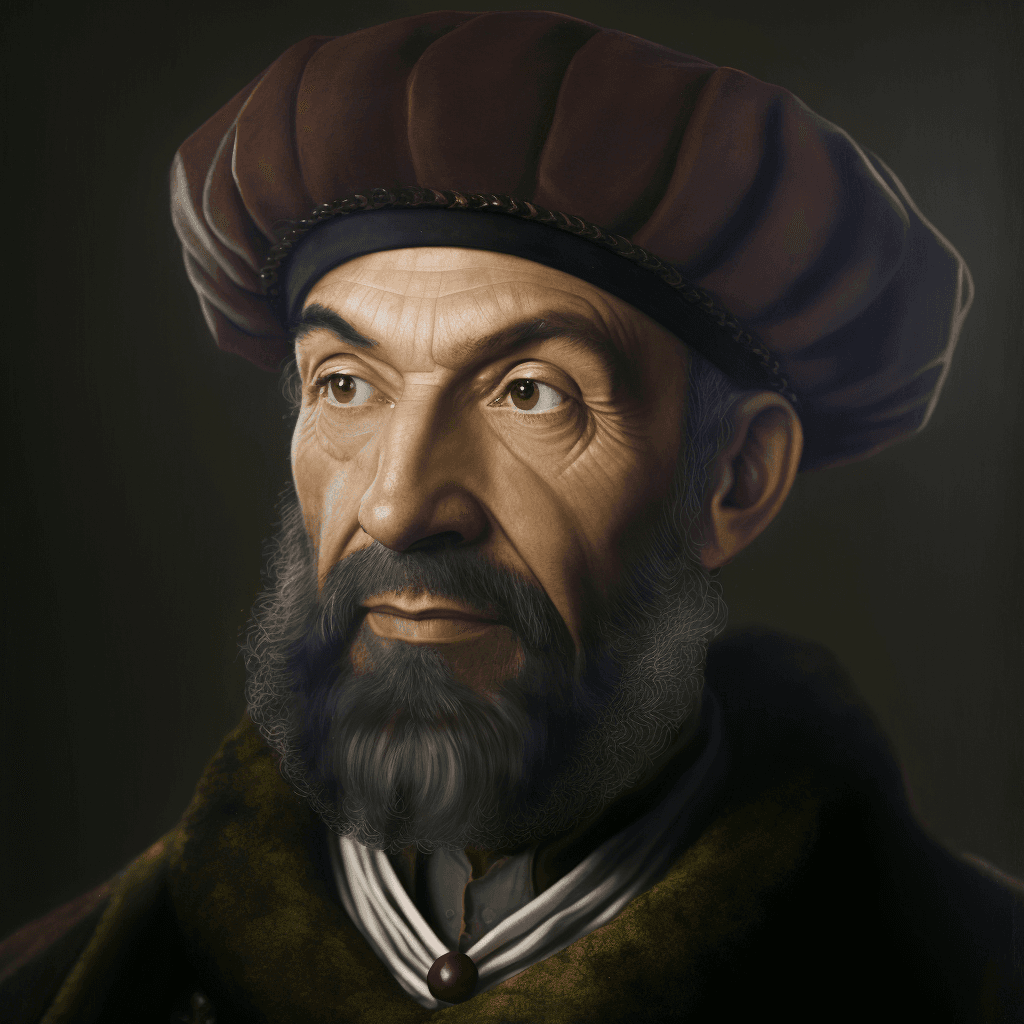
c.1480-1521
Navigator - Commander - Global Pathfinder
This is a read-only educational profile. Chat, Council Mode, and AI features are not available for historical figures.
Ferdinand Magellan was born into the Portuguese sphere of Atlantic expansion and gained early naval experience in voyages to India and Southeast Asia. After disputes with Portuguese authorities, he offered his services to the Spanish crown, proposing a westward route to the Spice Islands. His plan reflected both geopolitical rivalry and growing confidence in oceanic navigation.
In 1519 Magellan led a multinational fleet from Spain, crossing the Atlantic and navigating the hazardous strait at South America's southern tip that now bears his name. Entering the Pacific, he demonstrated the ocean's vast scale and severe logistical demands. Although Magellan was killed in the Philippines in 1521, surviving crew under Juan Sebastian Elcano returned to Spain in 1522.
The expedition provided practical proof of global maritime connectivity and transformed European cartography, trade strategy, and imperial ambition. It revealed both the possibilities and violence of early modern expansion, including coercion and conflict in newly contacted regions. Magellan's name remains linked to one of history's most consequential voyages.
Key moments across this figure's life and legacy
c.1480
Born during the formative decades of European maritime expansion.
1519
Sailed with five ships to seek a westward route to the Spice Islands.
1520
Navigated dangerous southern channels into the Pacific Ocean.
1521
Killed in conflict on Mactan while expedition continued without him.
1522
Surviving crew completed first full circumnavigation under Elcano.
Landmarks that define this figure's contribution to history
Led first known transit of the strait connecting Atlantic and Pacific oceans.
Commanded the voyage that became the first completed circumnavigation of Earth.
Opened a practical route for transoceanic navigation and imperial logistics.
Contributed evidence that improved global maps and maritime planning.
How this figure shaped the world we inherit
Magellan's expedition fundamentally altered geographic knowledge and imperial strategy by proving a continuous maritime globe could be traversed. The voyage accelerated global trade integration, colonial expansion, and ecological exchange across oceans, while also exposing the human toll of conquest. It stands as a pivotal event in the emergence of early modern globalization.
Explore more profiles from the same era or field
Curated educational resources for further study
Discover historical art and educational content on our media channels