Unification of Mongol Tribes
Consolidated fragmented steppe clans into a durable imperial polity.
Discover
Explore influential historical figures from science, philosophy, leadership, art, and culture.
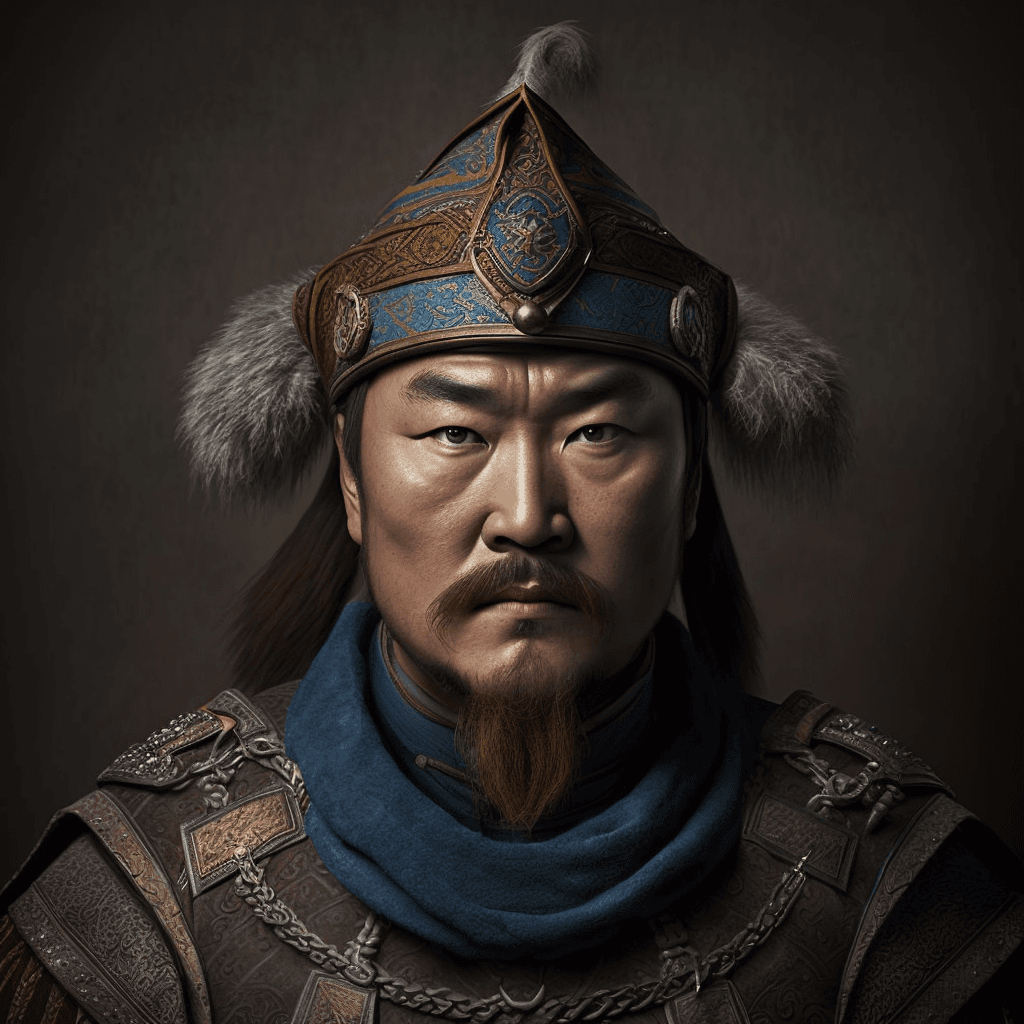
c.1162-1227
Conqueror - Lawgiver - Empire Builder
This is a read-only educational profile. Chat, Council Mode, and AI features are not available for historical figures.
Born as Temujin on the Mongolian steppe, Genghis Khan emerged from a violent political landscape of competing clans, shifting alliances, and fragile survival. After years of hardship, captivity, and warfare, he forged coalitions through meritocratic military promotion and strict discipline. In 1206 a kurultai proclaimed him Chinggis Khan, marking the formal unification of major Mongol tribes.
He reorganized Mongol forces into flexible decimal units, emphasizing mobility, intelligence gathering, and coordinated cavalry tactics. Campaigns against the Jin dynasty, Khwarazmian Empire, and other powers expanded Mongol control across vast territories. Though his conquests were often accompanied by mass destruction, he also institutionalized communication routes, legal frameworks, and protections for trade and envoys.
Genghis Khan's successors built the largest contiguous land empire in history, linking East Asia, the Islamic world, and Europe through intensified exchange of goods, technologies, and ideas. Historians continue to debate his legacy, balancing extraordinary statecraft and military innovation against severe human cost. His rise remains one of history's most dramatic transformations of political power.
Key moments across this figure's life and legacy
c.1162
Born near the Onon River into a minor Borjigin lineage.
1206
Recognized as supreme leader at a tribal assembly after unification campaigns.
1211
Launched major invasions into North China with sustained strategic success.
1219-1221
Defeated the Khwarazmian Empire across Central Asia and Persia.
1227
Died while campaigning against Western Xia; succession passed to his heirs.
Landmarks that define this figure's contribution to history
Consolidated fragmented steppe clans into a durable imperial polity.
Introduced highly mobile command structures and disciplined cavalry operations.
Established a governing code emphasizing order, loyalty, and diplomatic protections.
Opened transcontinental routes that expanded trade and cultural transmission.
How this figure shaped the world we inherit
Genghis Khan reordered Eurasian geopolitics by creating institutions and military systems capable of projecting power across unprecedented distances. The Mongol imperium that followed facilitated exchange along the Silk Roads, affecting commerce, diplomacy, technology transfer, and even the ecology of disease transmission. His legacy illustrates how empire can simultaneously generate integration, innovation, and catastrophic violence on a continental scale.
Explore more profiles from the same era or field
Curated educational resources for further study
Discover historical art and educational content on our media channels