Libero Revolution
Redefined defensive play by advancing from the back to orchestrate attacks.
Discover
Explore influential historical figures from science, philosophy, leadership, art, and culture.
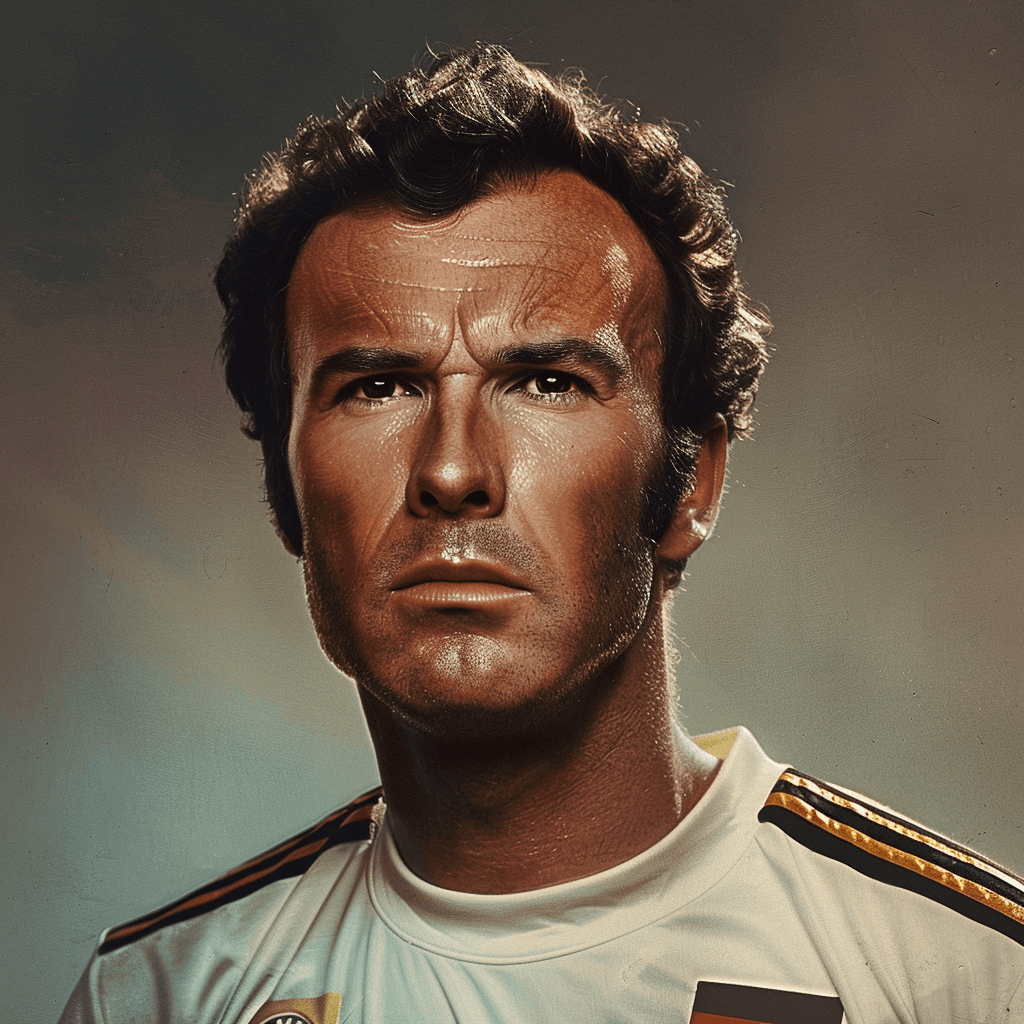
1945–2024
Football Legend • Manager • Leader
This is a read-only educational profile. Chat, Council Mode, and AI features are not available for historical figures.
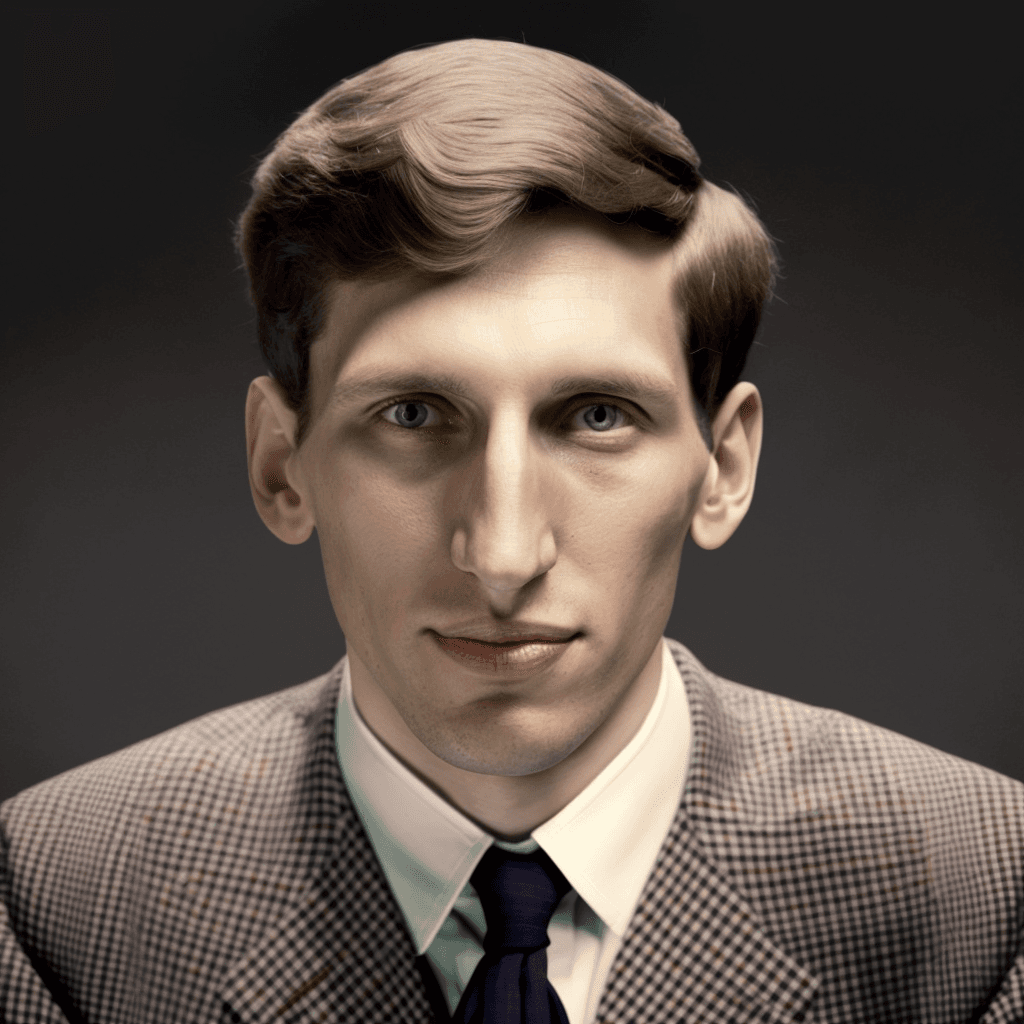
Franz Anton Beckenbauer was born in Munich in 1945 amid the ruins of the Second World War and joined Bayern Munich's youth system as a teenager. Initially a midfielder, he migrated to libero—a deep-lying defender who stepped forward to initiate attacks—turning defensive positioning into offensive creativity. With Bayern he won three consecutive European Cups from 1974 to 1976, anchoring a side that included Gerd Müller and Sepp Maier.
Beckenbauer captained West Germany to victory at the 1974 World Cup on home soil, defeating the Netherlands in the Munich final. His calm on the ball and tactical intelligence earned him the nickname 'Der Kaiser.' After retiring as a player he moved swiftly into management, leading West Germany to the 1990 World Cup title in Italy—the only man to win the trophy as both player and coach at the senior level.
Administrative roles followed at Bayern and the German Football Association, but the twilight of his public career was overshadowed by FIFA corruption investigations in which he faced scrutiny over World Cup bidding processes. He died in Munich in 2024, mourned as the architect of modern German football's combination of discipline, technique, and organizational excellence.
Key moments across this figure's life and legacy
1964
Made his first-team appearance and began reshaping the libero role.
1974
Lifted the trophy as captain after defeating the Netherlands in the final.
1977
Played for the New York Cosmos in the NASL alongside Pelé.
1990
Guided West Germany to the title in Rome against Argentina.
2024
Died at seventy-eight; Germany observed a national day of mourning for the Kaiser.
Landmarks that define this figure's contribution to history
Redefined defensive play by advancing from the back to orchestrate attacks.
Led West Germany to victory on home soil as player-manager on the pitch.
Managed reunified Germany's path to the title in Italy.
Won three consecutive European Cups with Bayern Munich as the team's defensive anchor.
How this figure shaped the world we inherit
Beckenbauer showed that defenders could be a team's primary playmakers, influencing generations from Baresi to modern ball-playing center backs. His dual World Cup triumphs bookended West Germany's rise from postwar recovery to Europe's dominant football nation. Even controversy over FIFA ethics could not erase his imprint on how the world understands German football's mixture of rigor and elegance.
Explore more profiles from the same era or field
Curated educational resources for further study
Discover historical art and educational content on our media channels