Nineteen Eighty-Four
Published a dystopian novel whose concepts of surveillance and language control define modern political discourse.
Discover
Explore influential historical figures from science, philosophy, leadership, art, and culture.
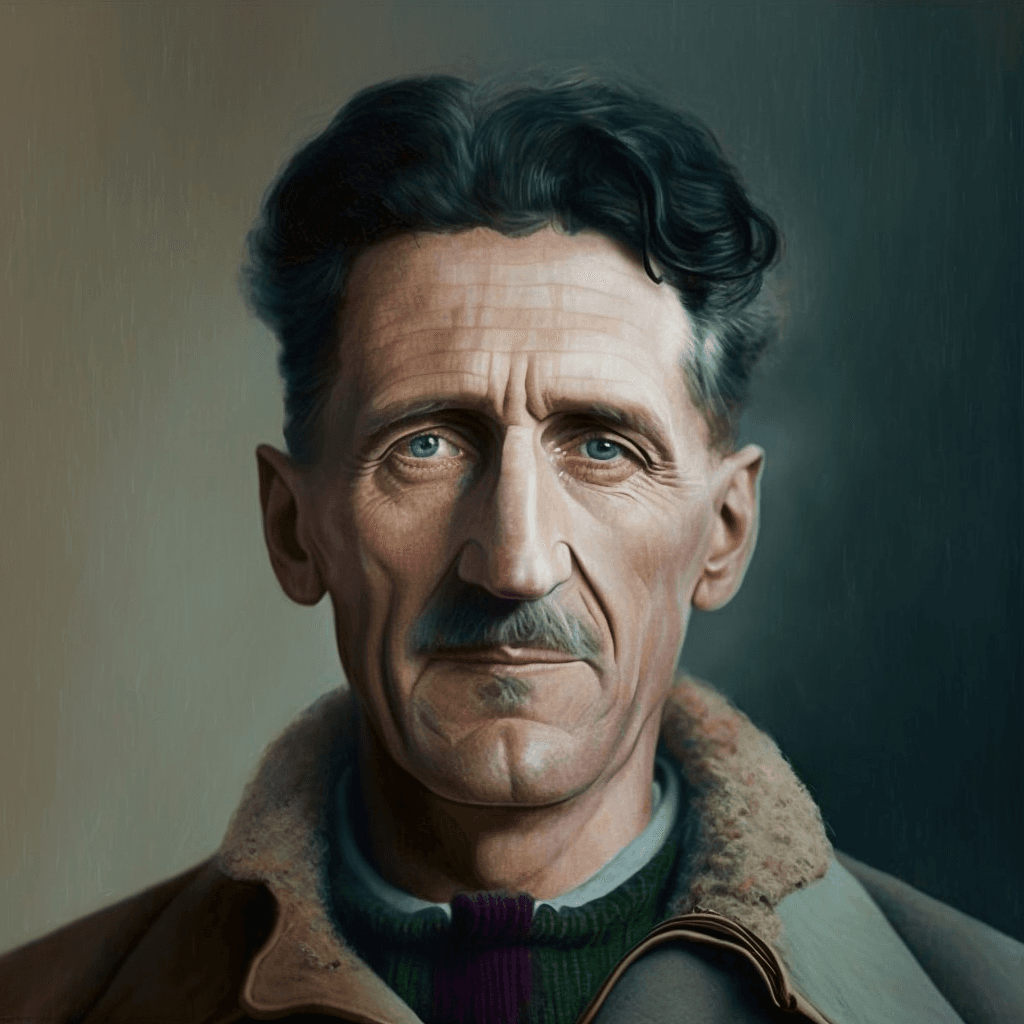
1903–1950
Author • Essayist • Social Critic
This is a read-only educational profile. Chat, Council Mode, and AI features are not available for historical figures.
Eric Arthur Blair, who wrote as George Orwell, was born in 1903 in Motihari, British India, where his father served in the Opium Department. Educated at Eton on a scholarship, he rejected imperial service and instead joined the Indian Imperial Police in Burma, an experience that produced the memoir Burmese Days and a lasting hatred of colonial arrogance. Returning to Europe, he tramped among the poor, washed dishes in Paris, and documented hardship in Down and Out in Paris and London.
Orwell fought with the POUM militia during the Spanish Civil War, where he was shot through the neck and witnessed Stalinist suppression of rival left factions—events crystallized in Homage to Catalonia. During the Second World War he worked for the BBC and wrote for Tribune, sharpening the plain, concrete prose style that became his trademark. Animal Farm (1945) satirized the Soviet Union as a fable; Nineteen Eighty-Four (1949), completed while he suffered from tuberculosis, imagined a state that controlled reality through language, surveillance, and perpetual war.
Orwell died in January 1950 in a London hospital at forty-six, leaving essays on politics and language that remain unmatched in clarity. Terms he popularized—Big Brother, thoughtcrime, Newspeak—became permanent vocabulary for discussing propaganda and authoritarianism in democracies as well as dictatorships.
Key moments across this figure's life and legacy
1922
Served five years in the Indian Imperial Police, absorbing anti-imperial convictions.
1936
Joined POUM militia in Barcelona; wounded and forced to flee Stalinist purges.
1945
Released the anti-Stalinist fable after wartime publishing delays.
1949
Published his final novel while gravely ill with pulmonary tuberculosis.
1950
Died at University College Hospital; buried under his real name in Oxfordshire.
Landmarks that define this figure's contribution to history
Published a dystopian novel whose concepts of surveillance and language control define modern political discourse.
Wrote an allegorical fable exposing the corruption of revolutionary ideals.
Documented the Spanish Civil War with firsthand witness to factional betrayal on the left.
Essay prescribing clarity and honesty as moral duties of writers under political pressure.
How this figure shaped the world we inherit
Orwell supplied the vocabulary with which democracies critique their own propaganda apparatuses. Nineteen Eighty-Four and Animal Farm circulate in translation wherever governments manipulate truth, making him perhaps the most cited political novelist of the twentieth century. His rules for clear prose continue to train journalists and activists who treat language as a battlefield rather than decoration.
Explore more profiles from the same era or field
Curated educational resources for further study
Discover historical art and educational content on our media channels