Pride and Prejudice
Published a novel whose courtship plot and wit remain among the most adapted in English.
Discover
Explore influential historical figures from science, philosophy, leadership, art, and culture.
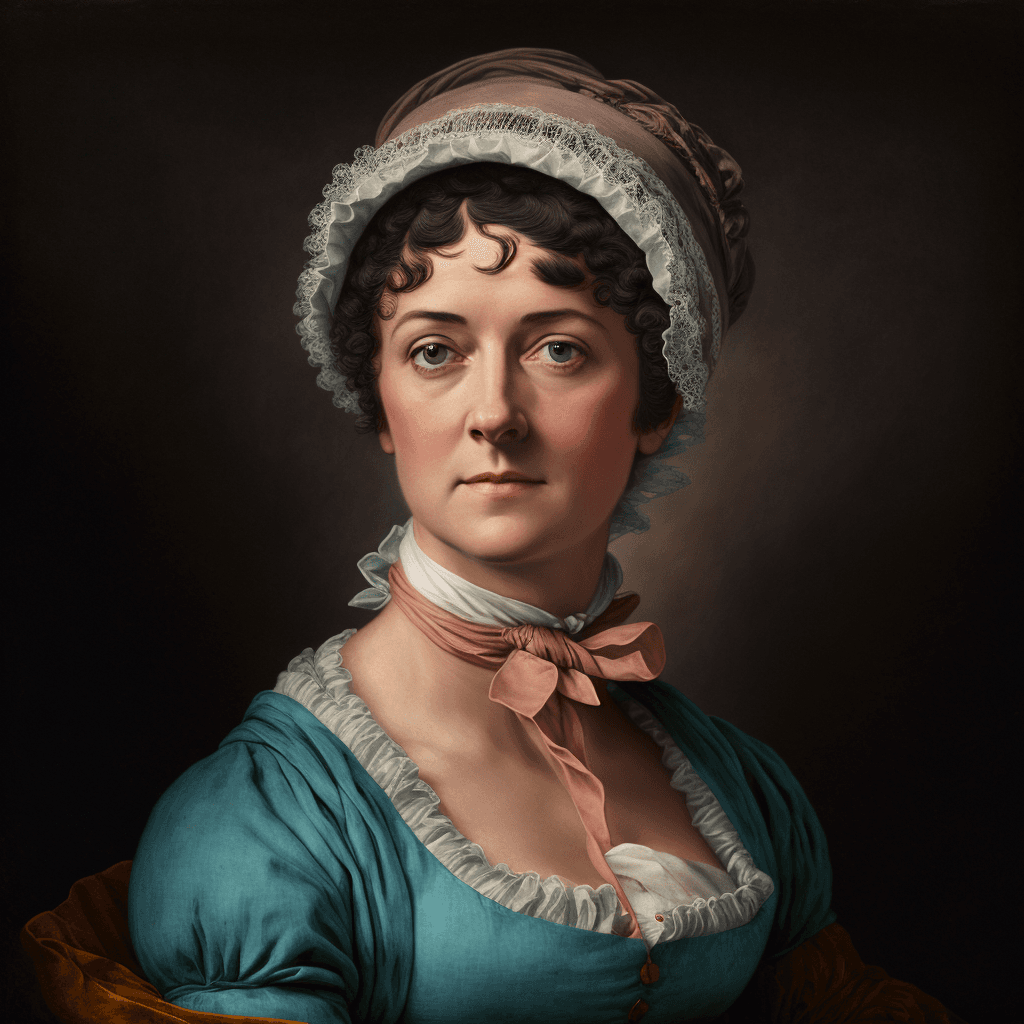
1775–1817
Novelist • Social Satirist • Literary Icon
This is a read-only educational profile. Chat, Council Mode, and AI features are not available for historical figures.
Jane Austen was born in 1775 in Steventon, Hampshire, the seventh child of a country clergyman who encouraged reading and amateur theatricals in the rectory. She began writing juvenilia in her teens— sharp parodies of sentimental novels— and revised early versions of what became Sense and Sensibility and Pride and Prejudice during the 1790s. Publication came late: Sense and Sensibility appeared in 1811 only after her brother Henry helped negotiate with a London publisher, and Austen insisted on anonymity as 'A Lady.'
Her novels unfold in drawing rooms, assembly balls, and country estates rather than battlefields, yet they dissect power with surgical accuracy. Elizabeth Bennet and Mr. Darcy negotiate pride and prejudice; Emma Woodhouse learns the cost of meddling; Anne Elliot in Persuasion reclaims love after years of social pressure. Free indirect discourse— letting a character's thoughts color third-person narration— gave her prose its distinctive intimacy and irony.
Austen died in Winchester in 1817 at forty-one, probably of Addison's disease or lymphoma, with Northanger Abbey and Persuasion published posthumously. Nineteenth-century critics sometimes dismissed her scope as narrow; twentieth-century feminists and formalists reclaimed her as a master of social realism. Film adaptations from the 1990s onward turned her into a global brand without dulling the bite of her comedy.
Key moments across this figure's life and legacy
1811
Published her first novel anonymously by Thomas Egerton.
1813
Released to favorable reviews and strong sales among fashionable readers.
1815
Dedicated the novel to the Prince Regent at his request, despite private misgivings.
1816
Health declined while revising Persuasion and Sanditon at her cottage home.
1817
Died in Winchester and was buried in the cathedral nave.
Landmarks that define this figure's contribution to history
Published a novel whose courtship plot and wit remain among the most adapted in English.
Pioneered narrative technique blending authorial voice with character consciousness.
Finished a compact body of work that defines the marriage-plot social novel.
Exposed entailment, dowries, and class performance through comedy rather than polemic.
How this figure shaped the world we inherit
Austen proved that novels about provincial women seeking secure marriages could carry enduring moral and formal sophistication. Her irony influenced the realist tradition from George Eliot to Ian McEwan, while global adaptations introduced new audiences to Regency England's economic pressures on women. Literary critics continue to debate whether her limited settings reflect conservative acceptance of gentry order or a subversive magnification of its contradictions.
Explore more profiles from the same era or field
Curated educational resources for further study
Discover historical art and educational content on our media channels