Adventures of Huckleberry Finn
Often called the Great American Novel, it uses dialect and river imagery to examine slavery, conscience, and moral growth.
Discover
Explore influential historical figures from science, philosophy, leadership, art, and culture.
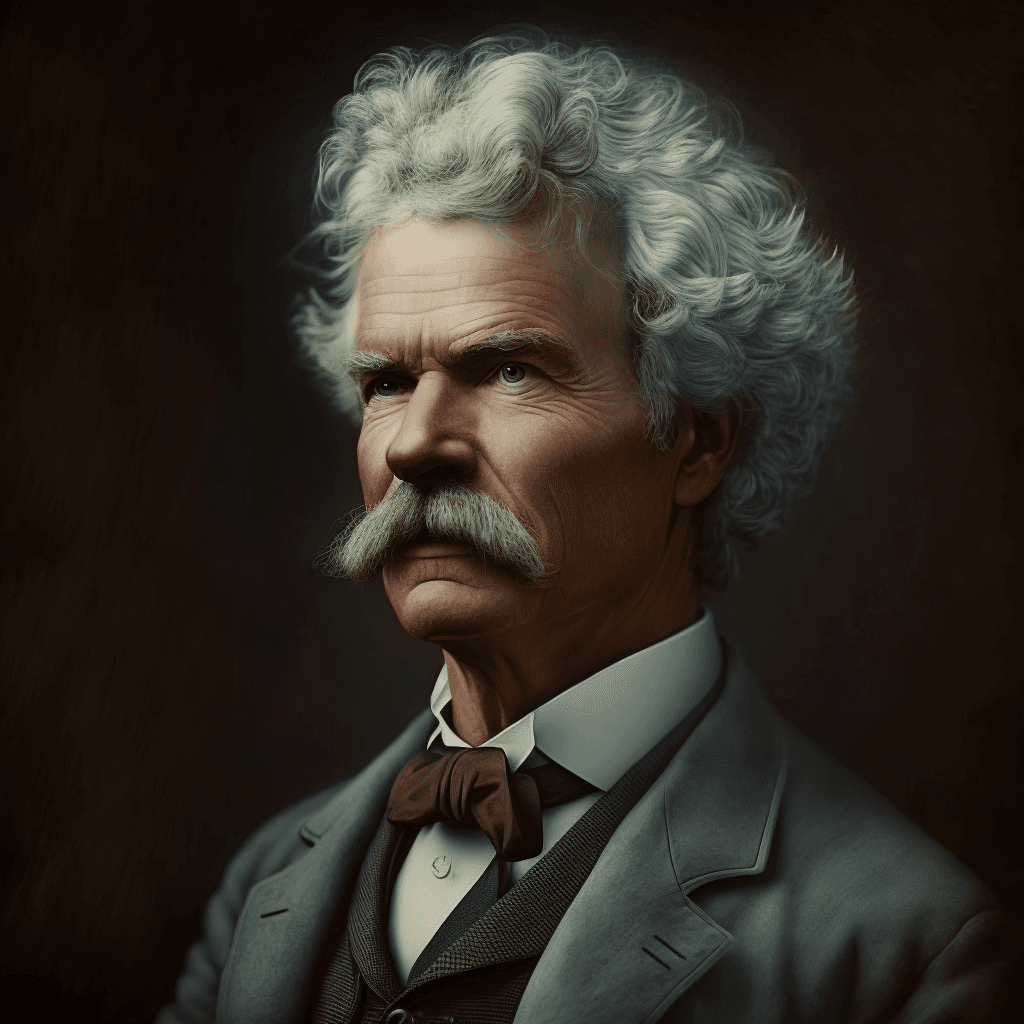
1835–1910
Author • Humorist • American Voice
This is a read-only educational profile. Chat, Council Mode, and AI features are not available for historical figures.
Samuel Langhorne Clemens was born in 1835 in Florida, Missouri, and grew up in Hannibal on the Mississippi River—a town he later transformed into the fictional St. Petersburg. He worked as a printer, steamboat pilot, and miner before turning to journalism. The pen name Mark Twain, river slang for safe depth, appeared on sketches that mixed vernacular speech with sharp social observation.
The Adventures of Tom Sawyer (1876) and Adventures of Huckleberry Finn (1884) captured antebellum boyhood and the moral crisis of slavery through Huck's journey with Jim. Twain's travel books, lectures, and short stories made him an international celebrity. Later works such as A Connecticut Yankee in King Arthur's Court satirized technology and authority, while essays condemned European colonialism and American intervention in the Philippines.
Financial troubles from bad investments pushed Twain back onto the lecture circuit. He received honorary degrees from Oxford and Yale and became America's most photographed author. Clemens died in 1910 in Redding, Connecticut, leaving manuscripts that continued to reveal his restless humor and anger at injustice.
Key moments across this figure's life and legacy
1835
Clemens was born shortly after Halley's Comet appeared; he would joke that he arrived and departed with the comet.
1857
He earned a steamboat license and memorized the river—a experience central to his literary voice and metaphors.
1865
A tall tale published in New York papers brought national attention and confirmed his Mark Twain persona.
1884
The novel's publication in the United States advanced literary realism and sparked ongoing debate over its language and themes.
1910
Clemens died of heart disease in Redding; newspapers mourned the loss of America's most beloved humorist.
Landmarks that define this figure's contribution to history
Often called the Great American Novel, it uses dialect and river imagery to examine slavery, conscience, and moral growth.
This boyhood idyll established Twain's reputation for capturing Midwestern speech and small-town life with comic warmth.
Twain's deadpan storytelling on tour earned large audiences across the United States, Europe, and the British Empire.
Essays and speeches in his final decades attacked U.S. annexation of the Philippines and European colonial wars.
How this figure shaped the world we inherit
Twain gave American literature a distinctly vernacular voice and used comedy to expose racial injustice, religious pretension, and imperial ambition. Huckleberry Finn remains central to debates over canon, censorship, and how nations remember slavery.
Explore more profiles from the same era or field
Curated educational resources for further study
Discover historical art and educational content on our media channels