Quantum Hypothesis
Introduced energy quanta in 1900 to explain blackbody radiation, founding quantum theory.
Discover
Explore influential historical figures from science, philosophy, leadership, art, and culture.
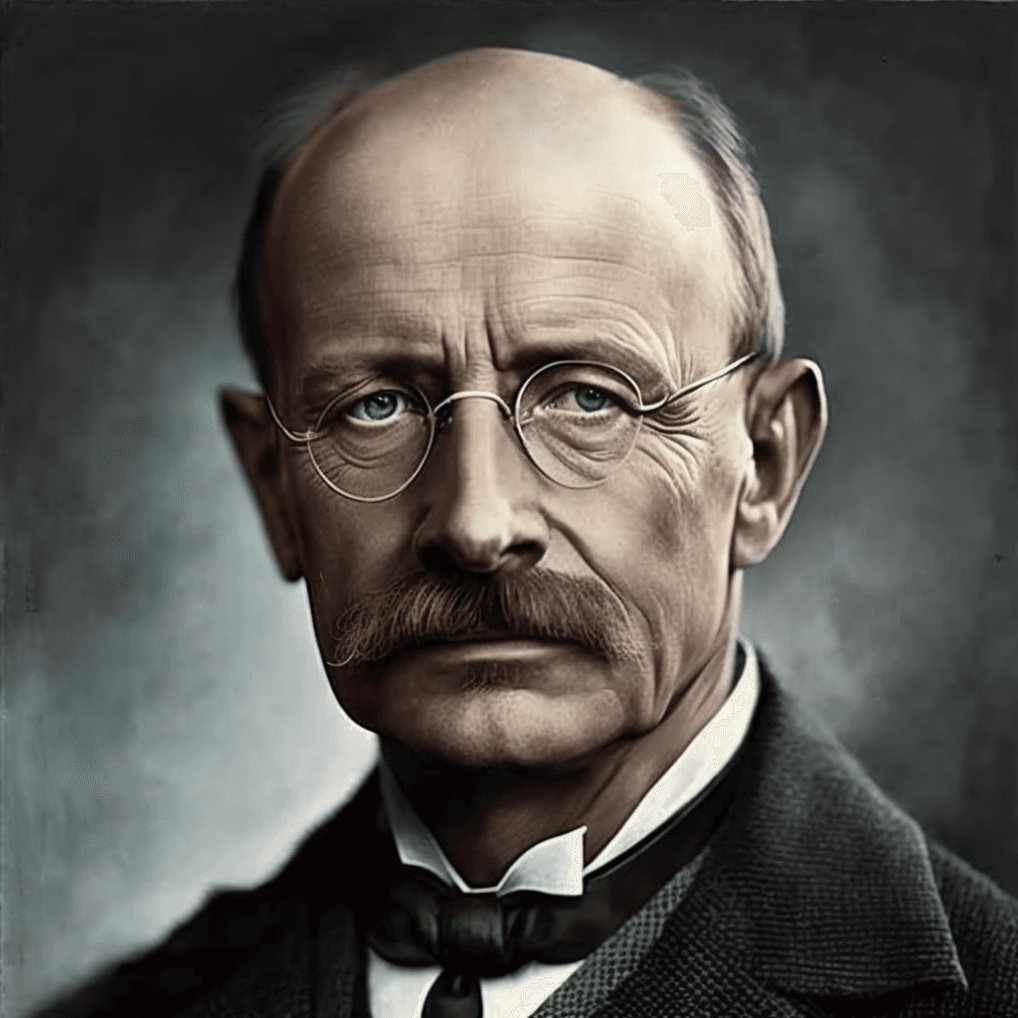
1858–1947
Physicist • Founder of Quantum Theory
This is a read-only educational profile. Chat, Council Mode, and AI features are not available for historical figures.
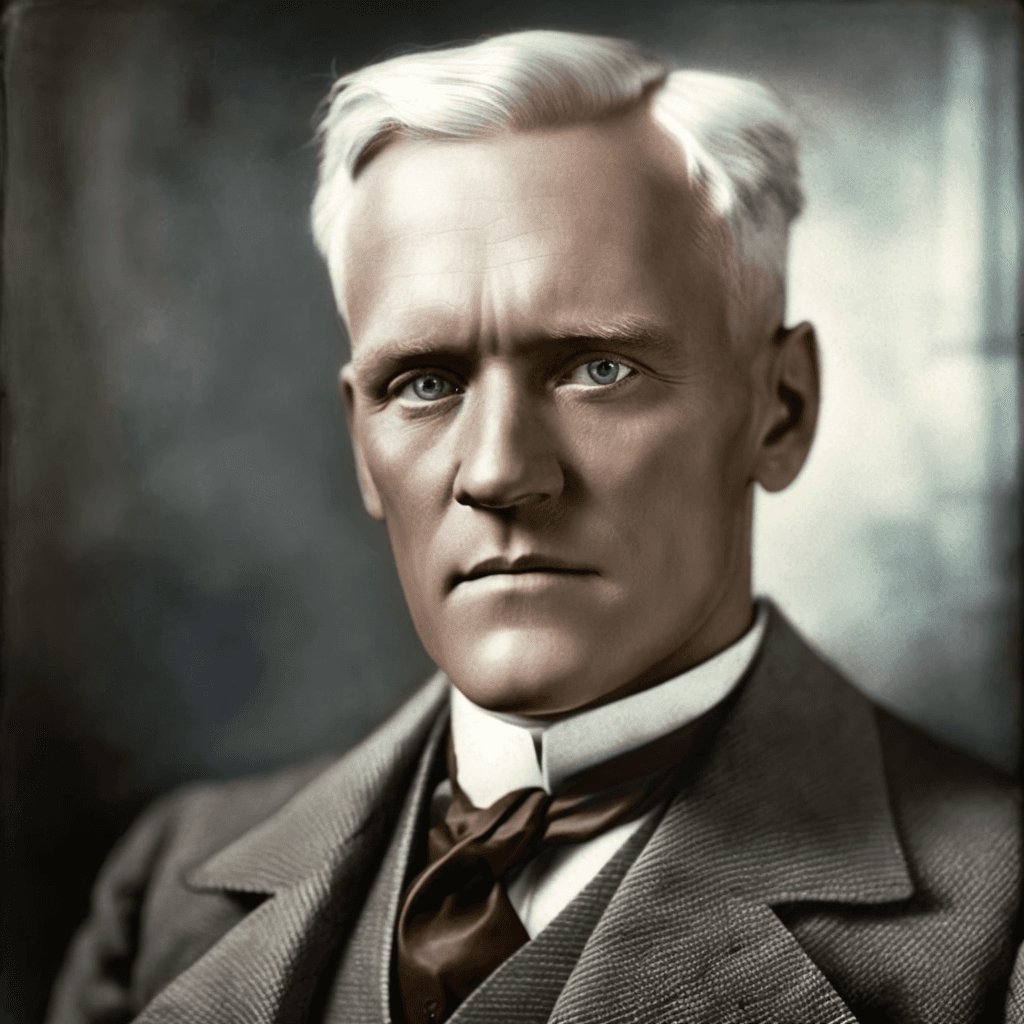
Max Karl Ernst Ludwig Planck was born on 23 April 1858 in Kiel, then part of the Duchy of Holstein, into a family of scholars and clergy. He studied physics at Munich and Berlin, completing a doctorate on thermodynamics under Hermann von Helmholtz's influence, and accepted a professorship at the University of Kiel before moving to Berlin in 1889. Planck devoted his early career to theoretical thermodynamics and entropy, seeking universal laws behind heat engines and radiation. Colleagues regarded him as conservative in temperament—meticulous, devout, and cautious about speculative leaps—yet precisely that caution lent weight to his later departure from classical assumptions.
In 1900 Planck proposed that energy emitted by a blackbody radiator occurs in discrete packets proportional to frequency, a hypothesis he initially treated as mathematical convenience rather than physical reality. The constant h that bears his name quantified the smallest action in nature and resolved the ultraviolet catastrophe that had plagued classical physics. Einstein extended quantum ideas to light in 1905, and Niels Bohr applied them to atomic structure in 1913, transforming Planck's cautious formula into the foundation of quantum mechanics. Planck received the Nobel Prize in Physics in 1918 for his discovery, though he struggled emotionally with the philosophical implications of a probabilistic universe. During World War I he lost a son at Verdun; during the Nazi era he faced agonizing choices, attempting to protect Jewish colleagues while remaining inside a compromised academic system.
Planck served as president of the Kaiser Wilhelm Society and later the Max Planck Society, institutions that became pillars of German research. He publicly opposed some Nazi policies yet did not emigrate, a decision later generations debated against the backdrop of Holocaust atrocities. He died on 4 October 1947 in Göttingen after Allied occupation and the destruction of his Berlin home in bombing raids. Quantum theory derived from his 1900 paper underpins lasers, semiconductors, MRI machines, and chemistry at the molecular scale. Philosophers cite his shift from continuous to discrete energy as a turning point in humanity's picture of matter, and the Max Planck Institutes continue to bear his name across disciplines from astrophysics to human development.
Key moments across this figure's life and legacy
1858
Born into an academic German family in the Holstein region.
1900
Published the blackbody radiation solution introducing discrete energy quanta.
1918
Received the Nobel Prize in Physics for founding quantum theory.
1930
Presided over Germany's premier research society through political upheaval.
1947
Died after World War II, having witnessed both scientific triumph and national catastrophe.
Landmarks that define this figure's contribution to history
Introduced energy quanta in 1900 to explain blackbody radiation, founding quantum theory.
Defined the fundamental constant h linking energy to frequency, now central to all quantum calculations.
Awarded the 1918 Nobel Prize for discoveries that initiated modern quantum physics.
Led the Kaiser Wilhelm Society, shaping German research infrastructure across the early twentieth century.
How this figure shaped the world we inherit
Planck's quantum hypothesis overturned classical physics and enabled twentieth-century technologies from transistors to medical imaging. His institutional leadership shaped German science, while his personal experience under Nazism illustrates the moral dilemmas faced by researchers in authoritarian states. The constant and institutes named for him anchor quantum theory in daily laboratory practice worldwide.
Explore more profiles from the same era or field
Curated educational resources for further study
Discover historical art and educational content on our media channels