Moscow University Co-Founding
Helped establish Russia's leading university as a center of Enlightenment learning.
Discover
Explore influential historical figures from science, philosophy, leadership, art, and culture.
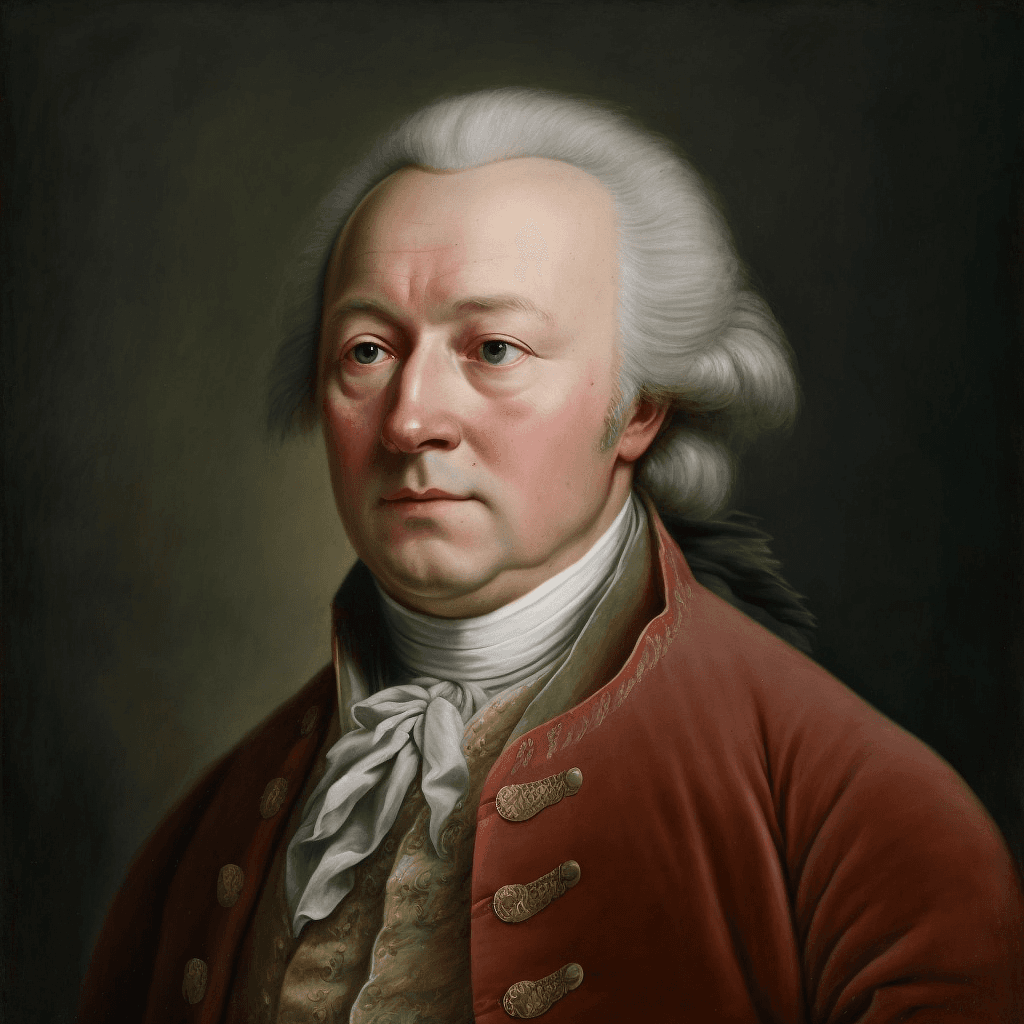
1711-1765
Polymath - Reformer - Institution Builder
This is a read-only educational profile. Chat, Council Mode, and AI features are not available for historical figures.
Mikhail Lomonosov was born in northern Russia and traveled to Moscow as a young man to pursue formal learning despite social barriers. He studied at institutions in Russia and Germany, absorbing contemporary European science while retaining a commitment to local intellectual development. His career exemplifies Enlightenment-era integration of natural philosophy, language, and state reform.
In science, Lomonosov conducted work in chemistry, physics, and atmospheric studies, arguing for corpuscular explanations of matter and contributing to early conservation ideas. He also made notable observations related to planetary atmospheres and worked in glassmaking and materials experimentation. In literature and linguistics, he helped standardize Russian literary language through grammar and rhetorical theory.
Lomonosov was instrumental in founding Moscow University in 1755, shaping Russian higher education and scholarly infrastructure. His cross-disciplinary output made him a symbolic figure of national scientific modernization. He remains influential in Russian intellectual history as a model of educational mobility, institutional vision, and synthesis across domains.
Key moments across this figure's life and legacy
1711
Born in northern Russia to a fishing family.
1730
Pursued advanced education through extraordinary personal effort.
1740s
Produced works in chemistry, physics, and materials science.
1755
Supported establishment of a major institution for higher learning.
1765
Died after shaping Russia's Enlightenment intellectual landscape.
Landmarks that define this figure's contribution to history
Helped establish Russia's leading university as a center of Enlightenment learning.
Advanced early corpuscular ideas and experimental methods in natural science.
Contributed to codifying literary Russian through grammar and stylistic theory.
Reported observations associated with understanding the atmosphere of Venus.
How this figure shaped the world we inherit
Lomonosov helped anchor Enlightenment science and education within the Russian Empire by linking research, language policy, and institutional reform. His work contributed to the emergence of a modern scholarly culture capable of engaging European science on more equal terms. As a polymathic figure, he embodies the period's conviction that knowledge could be mobilized for national development.
Explore more profiles from the same era or field
Curated educational resources for further study
Discover historical art and educational content on our media channels