Canonical Tragedies and Comedies
Authored dramatic works that remain central to global theater repertoires.
Discover
Explore influential historical figures from science, philosophy, leadership, art, and culture.
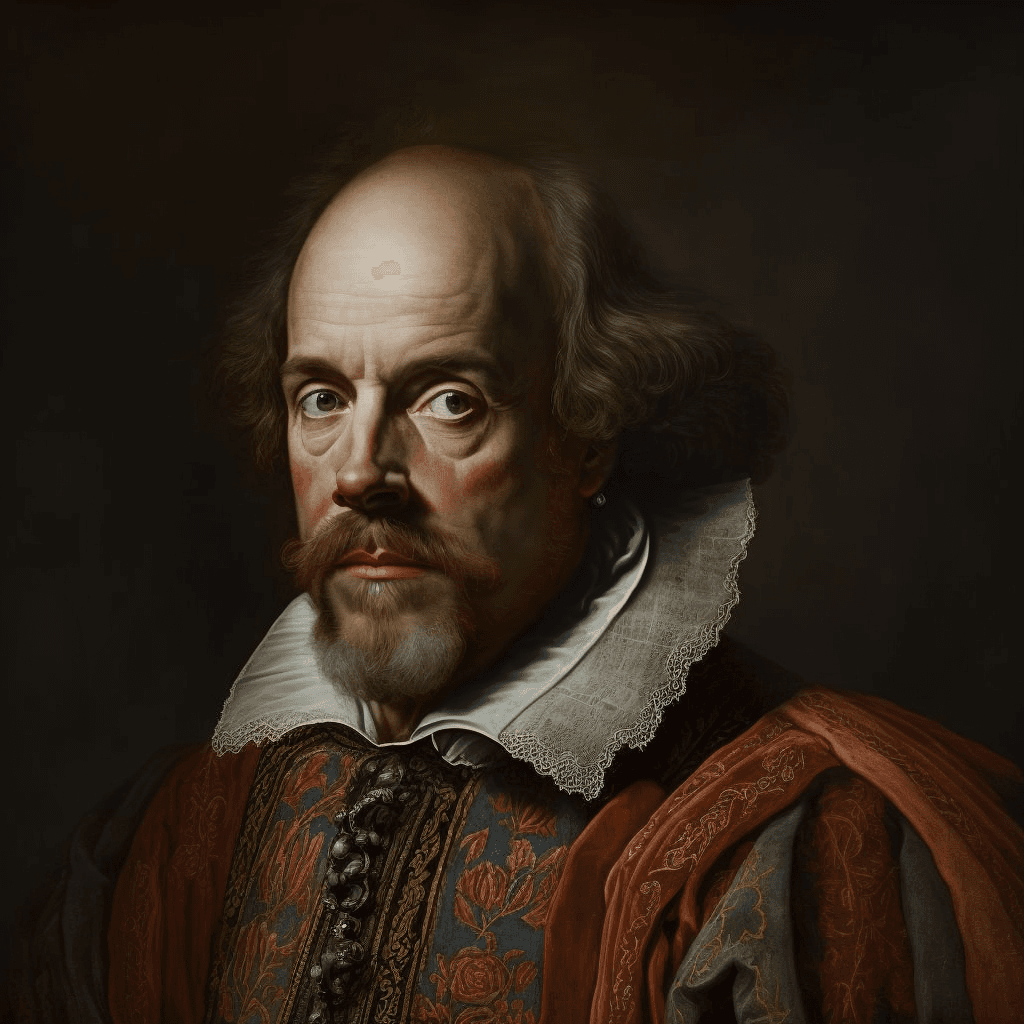
1564-1616
Playwright - Poet - Language Maker
This is a read-only educational profile. Chat, Council Mode, and AI features are not available for historical figures.
William Shakespeare was born in Stratford-upon-Avon and moved to London, where he became actor, shareholder, and principal playwright for the Lord Chamberlain's Men, later the King's Men. Working in a competitive theatrical economy, he wrote for public playhouses while appealing to aristocratic and court audiences. His career unfolded during political tension, religious uncertainty, and the flowering of Renaissance humanism.
Shakespeare's plays span tragedy, comedy, history, and romance, with major works including Hamlet, Macbeth, King Lear, Othello, and A Midsummer Night's Dream. His dramatic craft combines psychological depth, rhetorical brilliance, and structural experimentation, while his sonnets remain central to English lyric poetry. He expanded the expressive range of English, coining and popularizing countless phrases and semantic patterns.
First collected in the 1623 First Folio, his plays survived textual instability and became foundational in education, performance, and global translation. Shakespeare has been adapted across languages, media, and political contexts, from colonial classrooms to contemporary cinema. His enduring presence reflects an unmatched capacity to articulate ambition, love, violence, conscience, and power.
Key moments across this figure's life and legacy
1564
Baptized in April and raised in a market town in Warwickshire.
1590s
Established reputation as playwright and performer in major companies.
1599
Company opened the Globe, staging many of his most famous plays.
1603
Received royal patronage under James I, strengthening company prestige.
1616
Died at fifty-two; legacy secured by later publication of the First Folio.
Landmarks that define this figure's contribution to history
Authored dramatic works that remain central to global theater repertoires.
Composed 154 sonnets that reshaped English lyric form and voice.
Expanded English vocabulary and idiom through inventive poetic diction.
Succeeded as both writer and company shareholder in London's stage economy.
How this figure shaped the world we inherit
Shakespeare's writing profoundly shaped literary language, theatrical practice, and global cultural memory. His characters and motifs became shared reference points for psychology, politics, and law, while adaptations keep reinterpreting his work in changing social contexts. Few authors have exercised comparable influence across languages, centuries, and artistic forms.
Explore more profiles from the same era or field
Curated educational resources for further study
Discover historical art and educational content on our media channels