The Prince
Authored a treatise on acquiring and maintaining political power that became a foundational text of modern political theory.
Discover
Explore influential historical figures from science, philosophy, leadership, art, and culture.
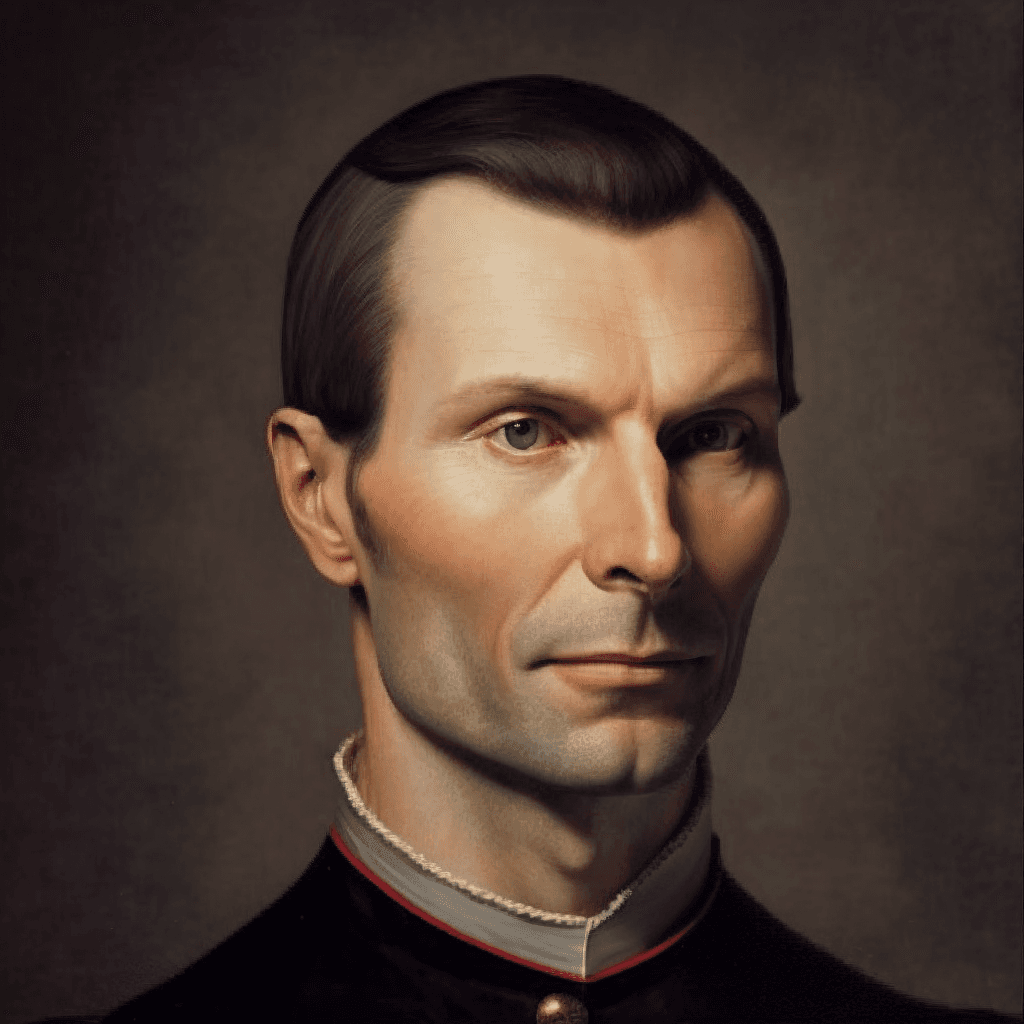
1469–1527
Diplomat • Author of The Prince
This is a read-only educational profile. Chat, Council Mode, and AI features are not available for historical figures.
Niccolò Machiavelli was born on 3 May 1469 in Florence during the Italian Renaissance, a city torn between republican government and the ambitions of wealthy banking families and foreign armies. He entered public service as a secretary and diplomat for the Florentine Republic, undertaking missions to France, the Papal States, and the court of Cesare Borgia, where he observed firsthand how rulers acquired and maintained territory through force, fraud, and fortune. When the Medici returned to power in 1512, Machiavelli was dismissed, imprisoned, and tortured on suspicion of conspiracy before retiring to his estate at Sant'Andrea in Percussina to write.
There he composed The Prince (circulated 1513, published 1532), a concise treatise advising rulers on securing new states, managing elites, and adapting virtue to necessity—famously arguing that effective leaders sometimes must act against conventional morality. His Discourses on Livy expanded republican analysis, praising citizen militias, mixed government, and the role of conflict in preserving liberty. He also wrote comedies such as Mandragola, histories of Florence, and reports on military organization that reveal a mind equally at home in theater and statecraft. Machiavelli distinguished between public necessity and private ethics in ways that scandalized contemporaries yet fascinated later readers from Catherine de' Medici to Napoleon.
Machiavelli died on 21 June 1527 as Florence expelled the Medici briefly and restored republican government he did not live to serve again. The adjective Machiavellian entered European languages as shorthand for cunning Realpolitik, often distorting his nuanced arguments about republics and citizenship. Enlightenment thinkers debated whether he was a teacher of tyranny or a realist diagnostician of corruption; American founders read his Discourses alongside classical authors when designing federal institutions. Modern political science still assigns The Prince as a founding text of power analysis, and playwrights from Marlowe to contemporary dramatists stage his contradictions. Machiavelli's insistence that republics require armed citizens and vigilant laws continues to inform discussions of democracy, intervention, and the moral costs of statecraft.
Key moments across this figure's life and legacy
1469
Born in the Republic of Florence during the Italian Renaissance.
1498
Appointed second chancellor and diplomat for the Florentine Republic.
1513
Wrote his famous treatise on rulership while exiled from office under Medici rule.
1520
Completed republican commentary drawing on Roman history for lessons on liberty.
1527
Died as republican Florence briefly returned before Habsburg siege.
Landmarks that define this figure's contribution to history
Authored a treatise on acquiring and maintaining political power that became a foundational text of modern political theory.
Developed republican analysis of mixed government, citizen militias, and the dynamics of liberty and corruption.
Wrote institutional history of Florence linking family factions, foreign invasion, and republican collapse.
Served the Florentine Republic on missions that informed his firsthand observations of Renaissance statecraft.
How this figure shaped the world we inherit
Machiavelli separated political analysis from moral sermon in ways that forced Europeans to discuss power on its own terms, influencing republican theory, absolutist counsel, and modern social science. The Prince and Discourses remain essential reading for understanding how Renaissance Italy's violence and ingenuity produced enduring vocabulary for fortune, virtue, and the survival of states.
Explore more profiles from the same era or field
Curated educational resources for further study
Discover historical art and educational content on our media channels