The Republic
Produced a foundational text on justice, education, and ideal political order.
Discover
Explore influential historical figures from science, philosophy, leadership, art, and culture.
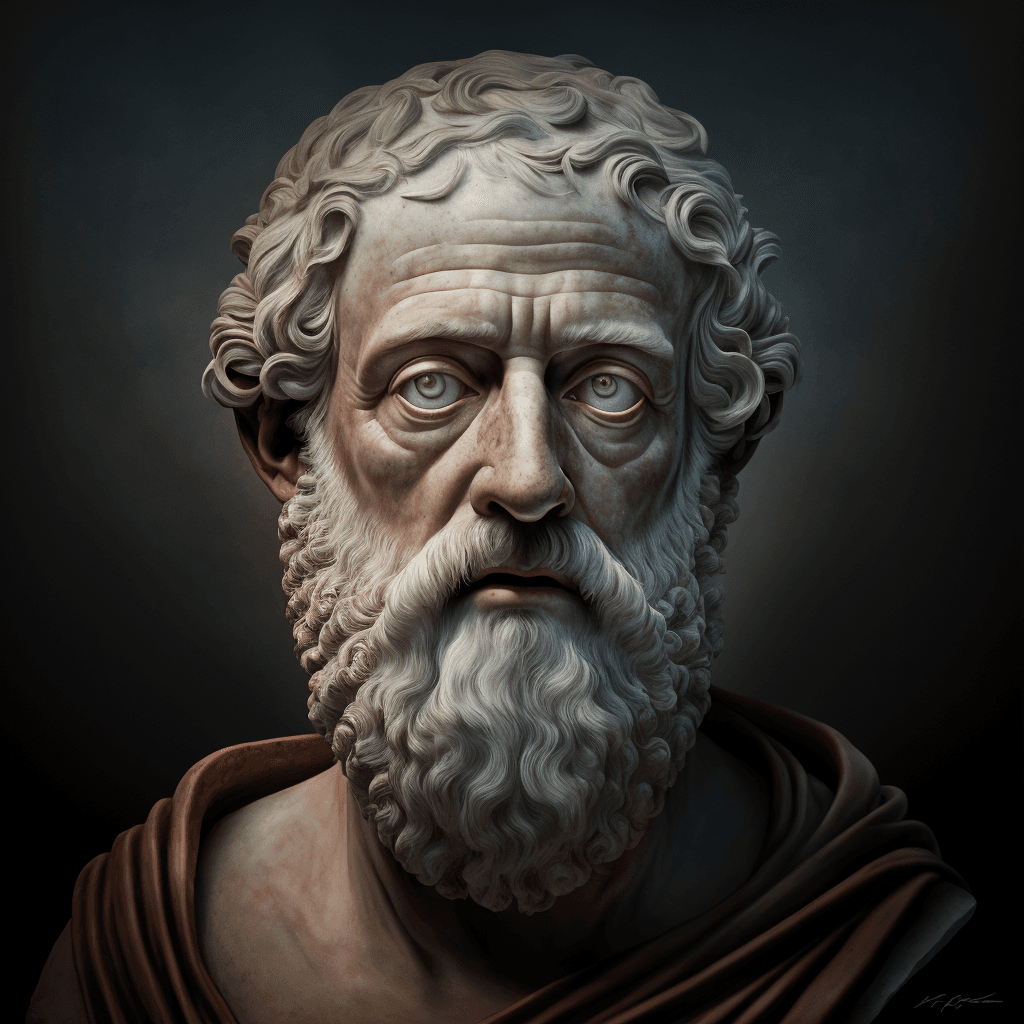
c.428-c.348 BC
Philosopher - Teacher - Institution Founder
This is a read-only educational profile. Chat, Council Mode, and AI features are not available for historical figures.
Plato was born into an aristocratic Athenian family during the Peloponnesian War era, when democracy, oligarchy, and imperial decline competed for legitimacy. Deeply influenced by Socrates, he witnessed his teacher's trial and execution, an event that marked his distrust of unexamined public judgment. Plato's writings are mostly dialogues, blending argument, drama, and inquiry.
In works such as Republic, Symposium, and Phaedo, Plato developed theories of Forms, the immortality of the soul, justice, and philosophical education. He explored how knowledge differs from opinion and how reason can guide ethical and civic life. His vision of philosopher-kings has inspired both admiration and critique for its ambition to align political authority with intellectual virtue.
Plato founded the Academy in Athens, one of the ancient world's most influential institutions of higher learning, where Aristotle studied for many years. Through late antiquity, medieval scholarship, and modern philosophy, Platonic ideas became foundational reference points for theology, science, and political theory. His method of disciplined questioning remains a model of intellectual rigor.
Key moments across this figure's life and legacy
c.428 BC
Born during wartime conflict and major political upheaval in Greece.
399 BC
Witnessed trial and execution of his mentor, shaping his philosophical project.
c.387 BC
Established a school near Athens dedicated to philosophy and mathematics.
c.380 BC
Composed major dialogue on justice, governance, and civic education.
c.348 BC
Died after decades of teaching and writing with enduring influence.
Landmarks that define this figure's contribution to history
Produced a foundational text on justice, education, and ideal political order.
Advanced a metaphysical framework distinguishing enduring realities from appearances.
Established a long-lived institution that shaped philosophical education.
Created literary-philosophical dialogues that model critical inquiry and debate.
How this figure shaped the world we inherit
Plato provided enduring categories for discussing truth, justice, education, and political legitimacy. His work shaped Neoplatonism, Christian theology, Islamic philosophy, and modern idealism, while his critiques of democratic instability continue to animate political theory. Few thinkers have matched his long-range effect on how societies define knowledge and moral authority.
Explore more profiles from the same era or field
Curated educational resources for further study
Discover historical art and educational content on our media channels