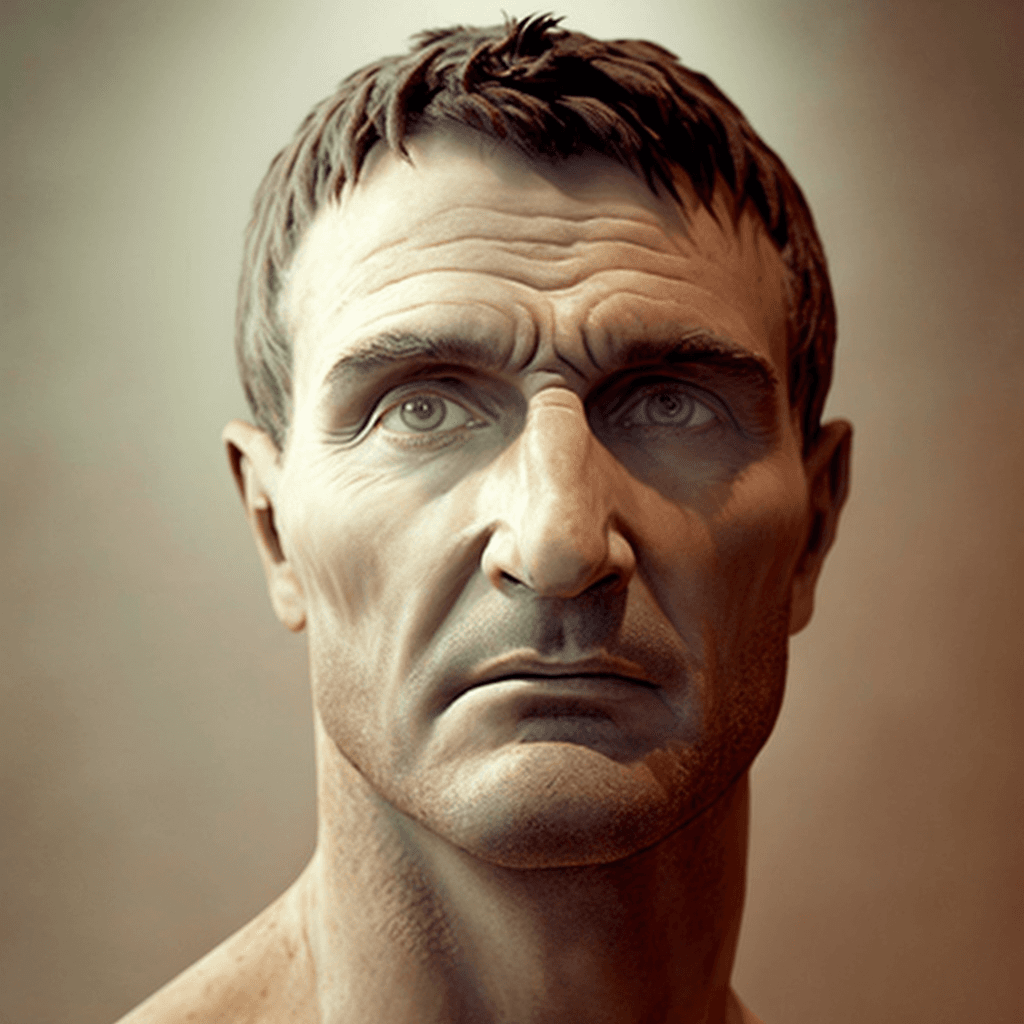
Ayyubid State Building
Unified Egypt and Syria under Ayyubid rule, ending Fatimid schism and strengthening Sunni authority.
Discover
Explore influential historical figures from science, philosophy, leadership, art, and culture.
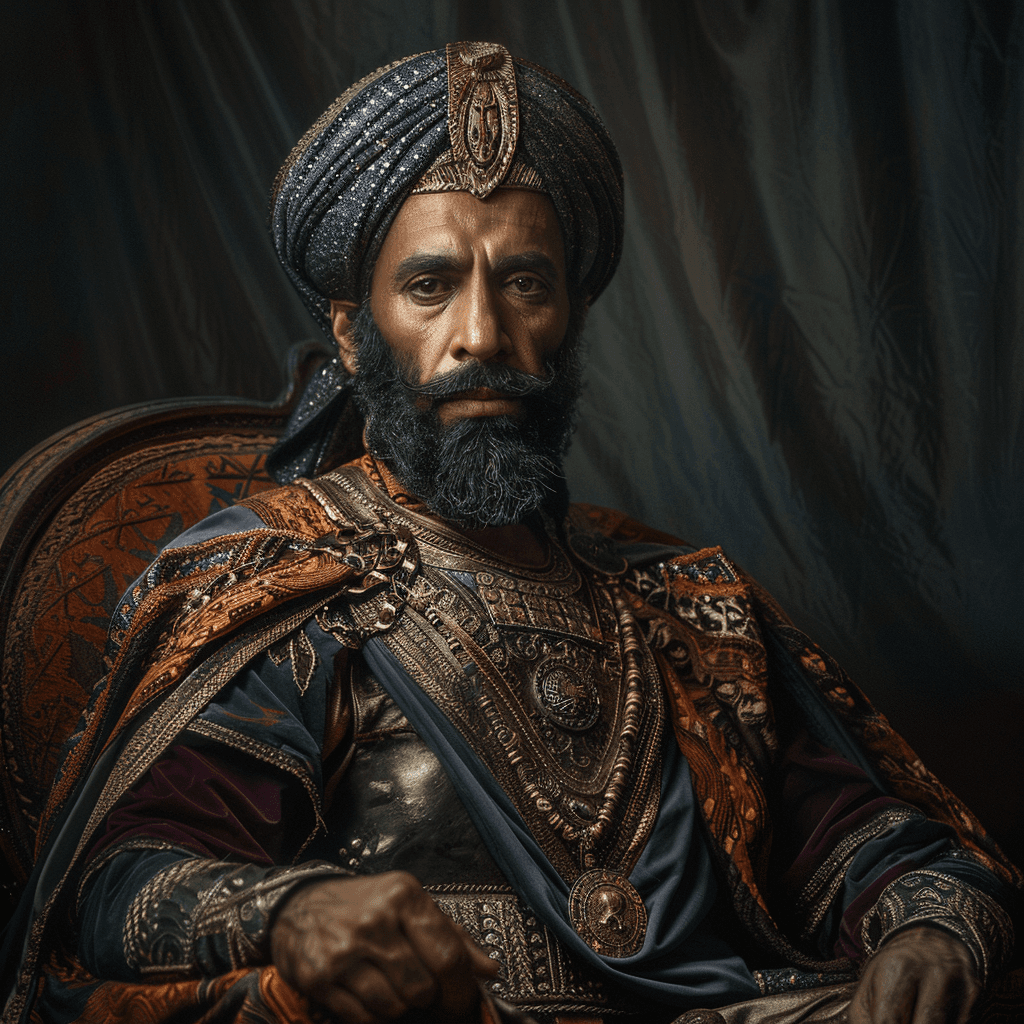
1137–1193
Sultan • Unifier • Crusades Era Commander
This is a read-only educational profile. Chat, Council Mode, and AI features are not available for historical figures.
Salah ad-Din Yusuf ibn Ayyub, known in the West as Saladin, was born in 1137 in Tikrit on the Tigris, in present-day Iraq, into a Kurdish military family serving the Zengid dynasty. He rose through service in Egypt, suppressing Fatimid power and establishing Ayyubid rule in Cairo by 1171 while professing loyalty to the Abbasid caliph. His disciplined cavalry, intelligence networks, and patience in siege warfare allowed him to consolidate Syria and Mesopotamia against rival Muslim emirs and Frankish Crusader states alike.
In 1187 Saladin crushed the Crusader army at the Battle of Hattin, captured King Guy of Jerusalem, and retook the holy city after nearly nine decades of Frankish control. Unlike the massacre that followed the First Crusade's capture of Jerusalem in 1099, Saladin negotiated ransoms and allowed many Christians to depart, a policy that impressed even hostile chronicles and shaped his reputation for magnanimity. Richard the Lionheart arrived on the Third Crusade, winning battles at Arsuf and Jaffa yet failing to recover Jerusalem; the two rulers treated with respect in truces recorded by Muslim and Christian sources. Saladin died in Damascus on 4 March 1193, having distributed his treasury rather than hoarding wealth, and was buried near the Umayyad Mosque.
Medieval European literature ambivalently admired Saladin as noble enemy; Dante placed him among virtuous pagans in Limbo. Modern Arab nationalism reclaimed him as symbol of unity against foreign occupation, while Crusades historians analyze his administrative reforms, tax policies, and military logistics. Films from Cecil B. DeMille to Ridley Scott dramatized encounters with Richard, sometimes smoothing complex politics into moral fable. Scholarship emphasizes that his Kurdish origin and Sunni orthodoxy mattered in a fragmented Islamic world where legitimacy required balancing jihad rhetoric with pragmatic alliances. Saladin remains a reference point in discussions of Jerusalem's status, cross-cultural honor, and the limits of conquest without stable governance.
Key moments across this figure's life and legacy
1137
Born into a Kurdish military family in Mesopotamia.
1171
Ended Fatimid rule and established Ayyubid control in Cairo.
1187
Defeated Crusader forces and began reconquest of Palestinian cities.
1187
Took Jerusalem from the Crusader Kingdom, altering the balance of the Holy Land.
1193
Died after illness, leaving an empire stretching from Egypt to Mesopotamia.
Landmarks that define this figure's contribution to history
Unified Egypt and Syria under Ayyubid rule, ending Fatimid schism and strengthening Sunni authority.
Destroyed the Crusader field army in 1187, opening the path to Jerusalem's recapture.
Retook the holy city with comparatively restrained treatment of defeated inhabitants.
Negotiated truces with Richard the Lionheart that stabilized Levantine borders.
How this figure shaped the world we inherit
Saladin reshaped the Crusades by reuniting Muslim territories and recapturing Jerusalem, while his reported clemency influenced how adversaries narrated honorable warfare. Arab and Western memory alike elevated him as model commander and negotiator, and his campaigns remain central to understanding medieval Mediterranean geopolitics and the contested status of Jerusalem.
Explore more profiles from the same era or field
Curated educational resources for further study
Discover historical art and educational content on our media channels