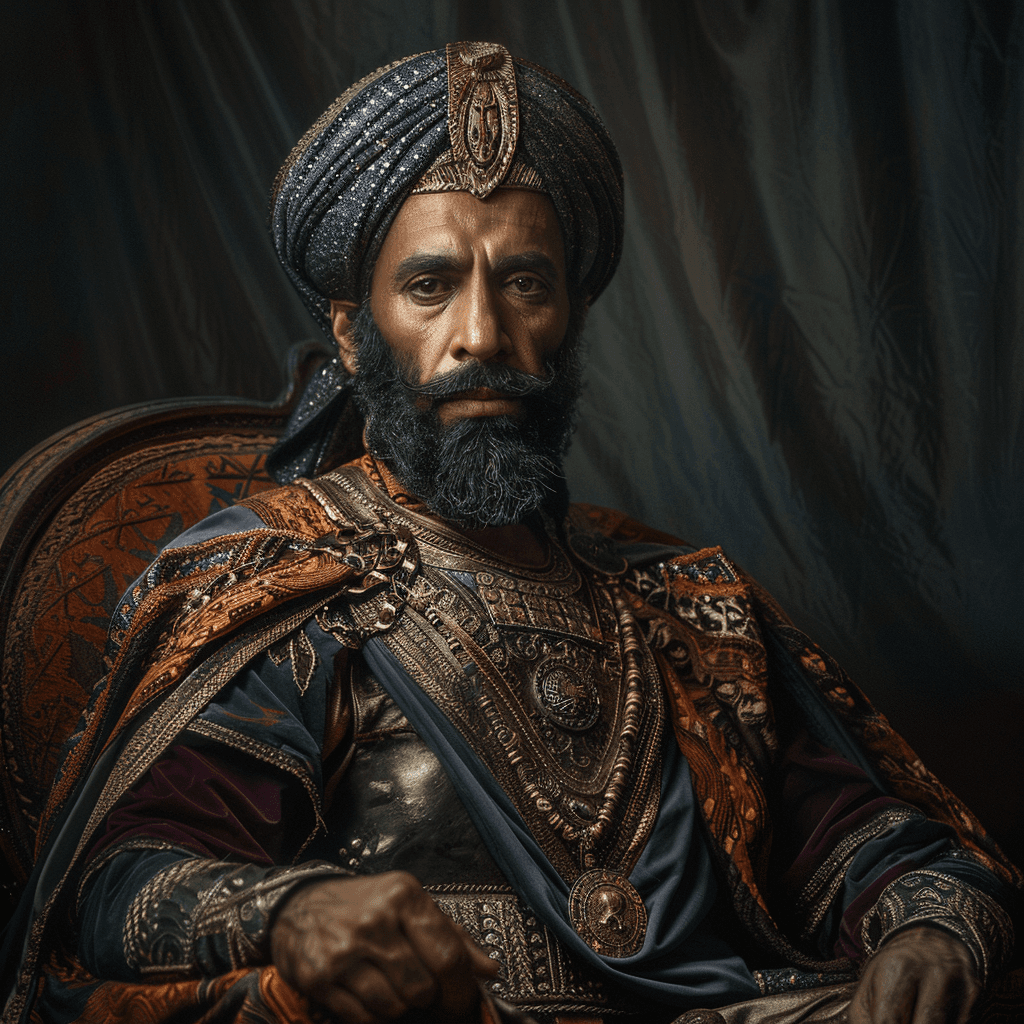
Gladiator Revolt Leadership
Organized escape from Capua and united diverse slaves into a formidable fighting force.
Discover
Explore influential historical figures from science, philosophy, leadership, art, and culture.
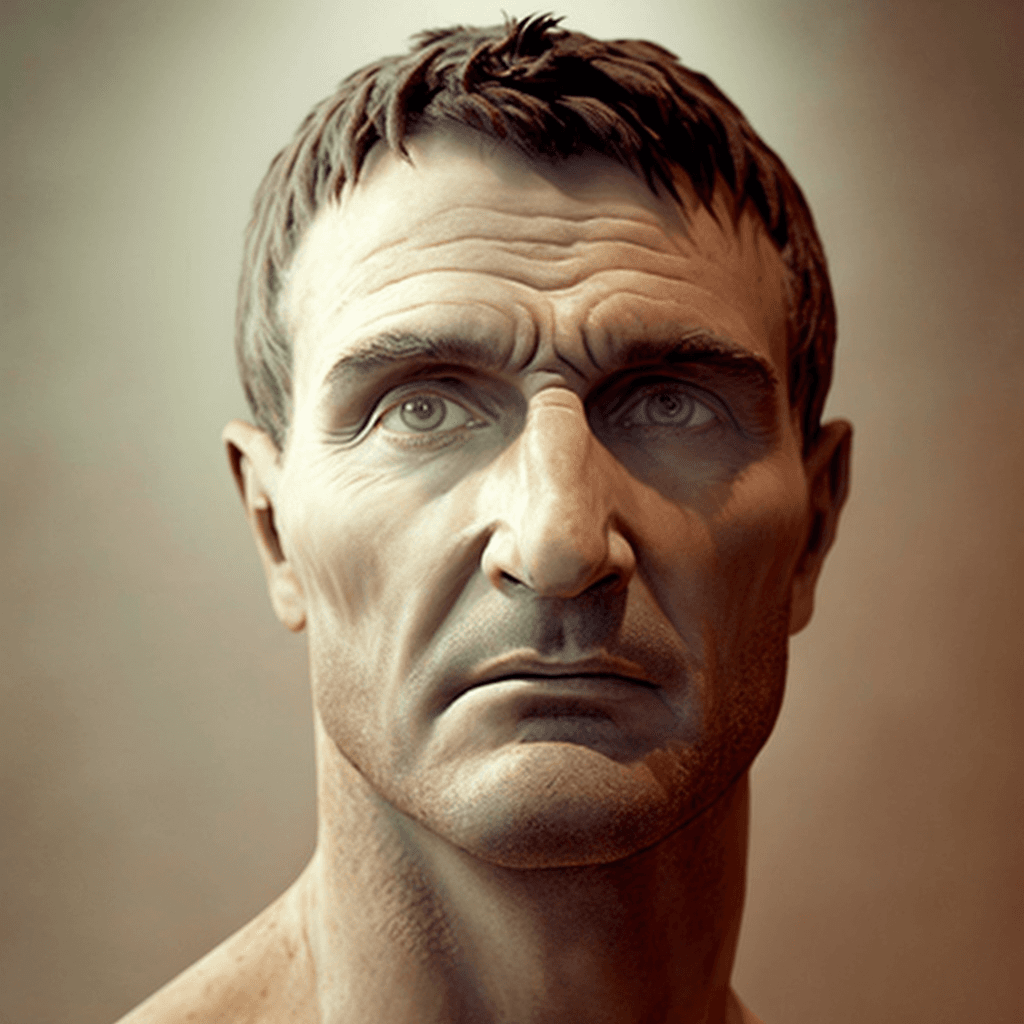
c. 111–71 BC
Gladiator • Leader of the Slave Revolt
This is a read-only educational profile. Chat, Council Mode, and AI features are not available for historical figures.
Spartacus appears in Roman sources as a Thracian who served in auxiliary units before imprisonment and training as a gladiator at Capua in Campania. In 73 BC he escaped with roughly seventy companions from the ludus of Lentulus Batiatus, seizing weapons and refuge on Mount Vesuvius, where Roman forces underestimated his tactical skill. Additional slaves, shepherds, and rural poor joined the revolt, swelling ranks to tens of thousands equipped with captured arms and led by co-commanders including Crixus and Gannicus.
For two years Spartacus's armies defeated consular legions sent against them, raiding Italy from the Alps to Sicily while debates divided leaders over whether to march on Rome or escape northward. Ancient authors disagree on motives—Plutarch emphasizes desire to return Spartacus homeward; Appian stresses plunder and revenge—but all acknowledge the shock to a slave society dependent on human bondage for agriculture and mining. Rome finally assigned Marcus Licinius Crassus eight legions with orders to decimate units that failed, and Crassus built fortifications trapping Spartacus in Bruttium. A failed deal with Cilician pirates and a split among rebel factions weakened the uprising before Crassus's victory in 71 BC. Six thousand survivors were crucified along the Appian Way as warning.
Modern revolutionaries from Karl Marx to Toussaint Louverture's admirers claimed Spartacus as symbol of class struggle, while Cold War-era films starring Kirk Douglas popularized a moralized version of the revolt. Historians caution that ancient evidence is sparse and politically shaped; Spartacus's Thracian identity and gladiatorial status complicate simple narratives of proletarian unity. Archaeology of gladiator barracks and slave work sites illuminates conditions that fueled rebellion even if specific biographical details remain uncertain. Spartacus endures as archetype of resistance against dehumanizing systems, invoked whenever oppressed labor confronts imperial power, and studied as rare instance when Rome's military supremacy faltered within Italy itself.
Key moments across this figure's life and legacy
c. 111 BC
Born in the Thracian region north of Greece according to Roman accounts.
73 BC
Led gladiators out of the training school and seized Mount Vesuvius.
72 BC
Commanded tens of thousands defeating multiple Roman consular armies.
71 BC
Faced Crassus's legions in southern Italy and fell in battle.
71 BC
Rome crucified thousands of captured rebels along the road to Rome.
Landmarks that define this figure's contribution to history
Organized escape from Capua and united diverse slaves into a formidable fighting force.
Won multiple victories against Roman legions, threatening the Italian heartland.
Held together Thracian, Gallic, and German fighters with differing strategic goals for two years.
Became enduring emblem of struggle against slavery across political and cultural movements.
How this figure shaped the world we inherit
Spartacus's revolt exposed the vulnerability of a slave-based empire and became a lasting symbol of resistance against oppression from ancient historiography to modern political movements. Roman response—mass crucifixion—illustrated the brutality required to preserve slavery, and Spartacus remains central to discussions of labor, rebellion, and the moral costs of ancient prosperity.
Explore more profiles from the same era or field
Curated educational resources for further study
Discover historical art and educational content on our media channels