Revived Peasant Lyric Tradition
Used village dialect and nature imagery to create a nationally recognizable poetic voice distinct from Symbolist abstraction.
Discover
Explore influential historical figures from science, philosophy, leadership, art, and culture.
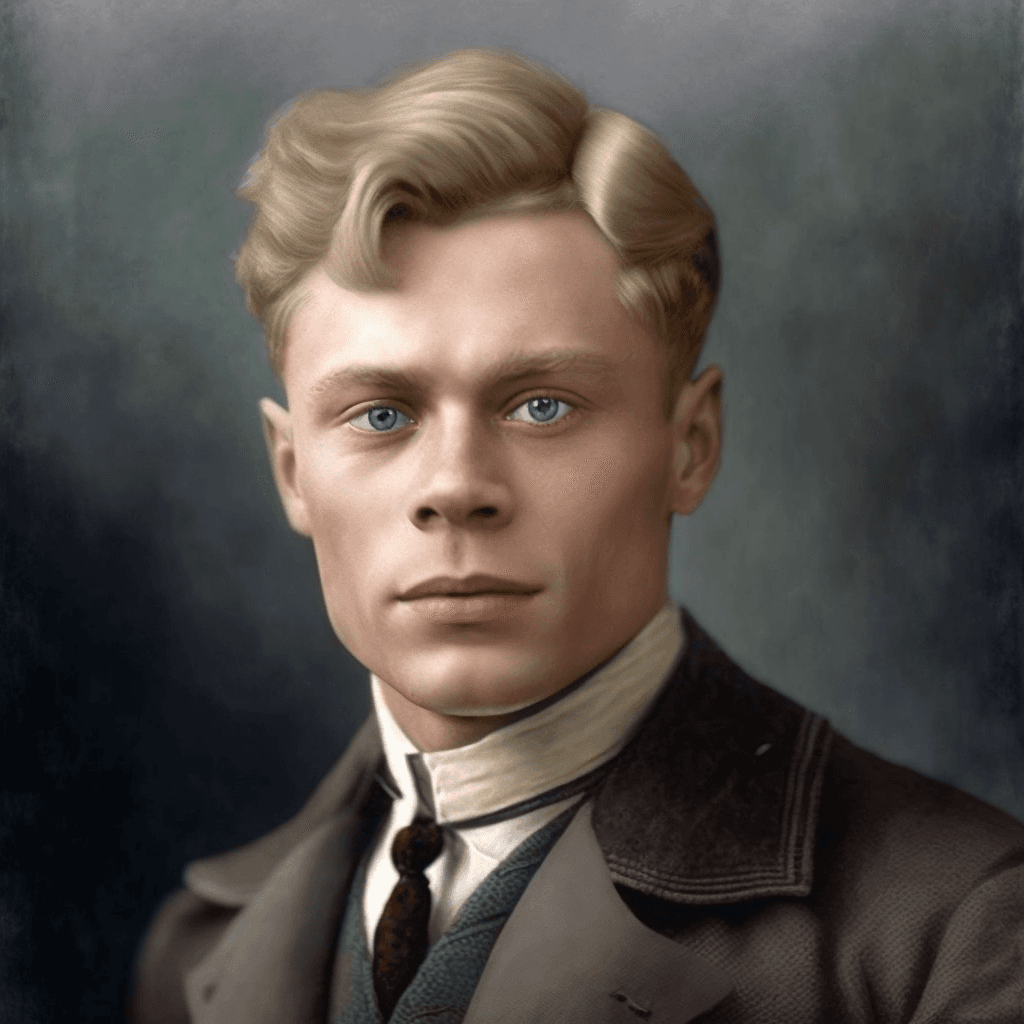
1895–1925
Poet • Lyric Voice of Russia
This is a read-only educational profile. Chat, Council Mode, and AI features are not available for historical figures.
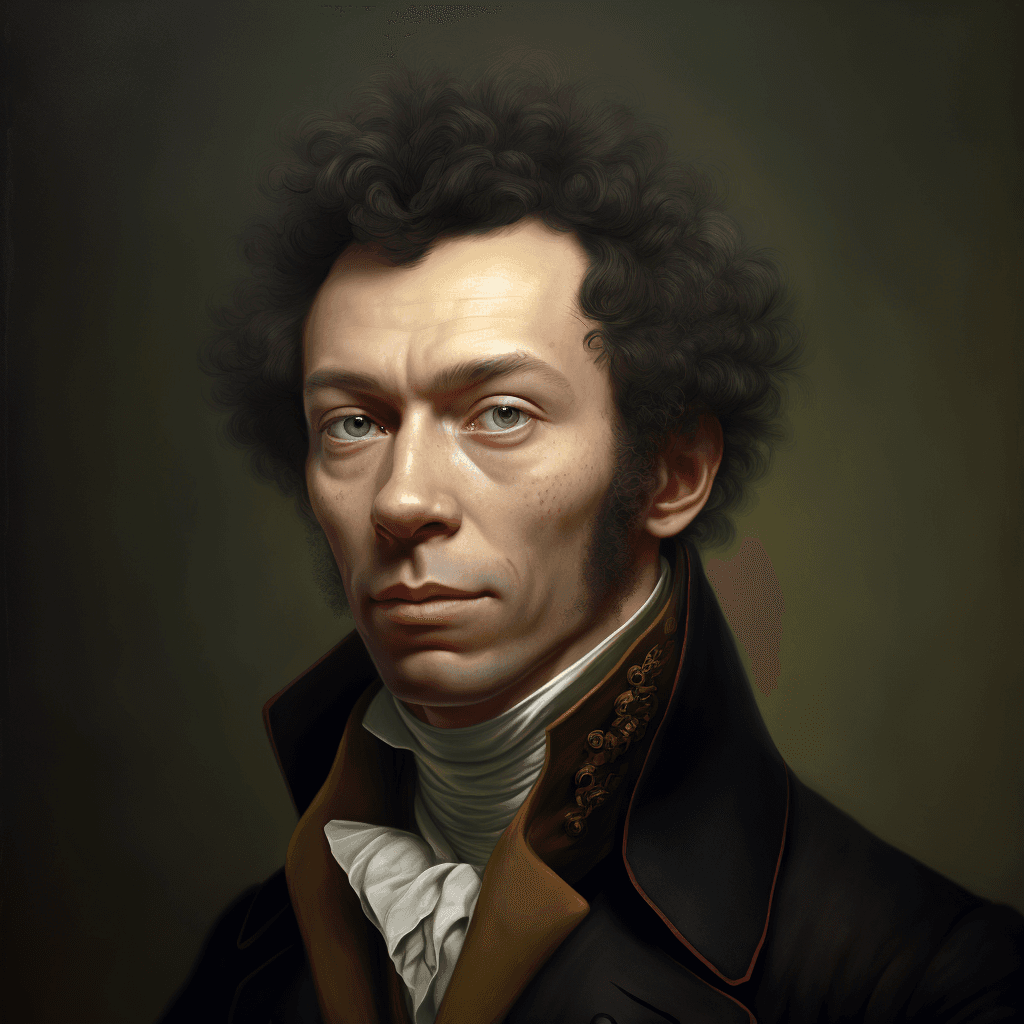
Born in 1895 in Konstantinovo, a village on the Ryazan steppe, Sergei Alexandrovich Yesenin grew up among birch groves and church bells that filled his early poetry with pastoral imagery and folk rhythm. He moved to Moscow and then Petrograd, publishing *Radunitsa* in 1916 and quickly gaining fame for verses that sounded like sung laments rather than literary exercises.
Yesenin embraced the 1917 revolution initially, writing of a transformed countryside, yet grew disillusioned with urban brutality and Bolshevik cultural policy. His marriage to American dancer Isadora Duncan in 1922 made headlines across continents, but the relationship collapsed amid alcoholism and mutual incomprehension. Works like *The Tavern Moscow* and *Anna Snegina* mingled nostalgia, satire, and raw confession.
In his final years Yesenin struggled with depression and institutional confinement. He hanged himself in Leningrad's Hotel Angleterre on December 28, 1925, leaving a farewell poem written in his own blood. Millions attended memorial readings; his verses were memorized in schools, making him the voice of a peasant Russia vanishing under industrial modernization.
Key moments across this figure's life and legacy
1895
Raised in a Ryazan village; childhood landscape became the emotional core of his poetry.
1916
First major collection established him as a leading young poet before the revolution.
1922
Wedding in Moscow linked Russian literature to international modern dance, though the union lasted only months.
1924
Published a cycle mixing satire and despair about urban life under the new regime.
1925
Died at thirty in the Hotel Angleterre; farewell poem 'Goodbye, my friend, goodbye' became instantly famous.
Landmarks that define this figure's contribution to history
Used village dialect and nature imagery to create a nationally recognizable poetic voice distinct from Symbolist abstraction.
His 1925 narrative poem of love and revolution stands among the major works of early Soviet literature.
Many poems were set to music and entered folk repertoire, extending his reach beyond literary readership.
His life and death embodied the collision between rural romanticism and the violence of twentieth-century Russia.
How this figure shaped the world we inherit
Yesenin preserved the emotional vocabulary of rural Russia at the moment it was being dismantled by collectivization and urban migration. His poetry remains central to Russian school curricula and popular song, and his tragic death became a reference point for discussions of art, alcoholism, and revolution.
Explore more profiles from the same era or field
Curated educational resources for further study
Discover historical art and educational content on our media channels