Founded the United Arab Emirates
Led the 1971 unification of seven emirates into a federal state, serving as president for over three decades.
Discover
Explore influential historical figures from science, philosophy, leadership, art, and culture.
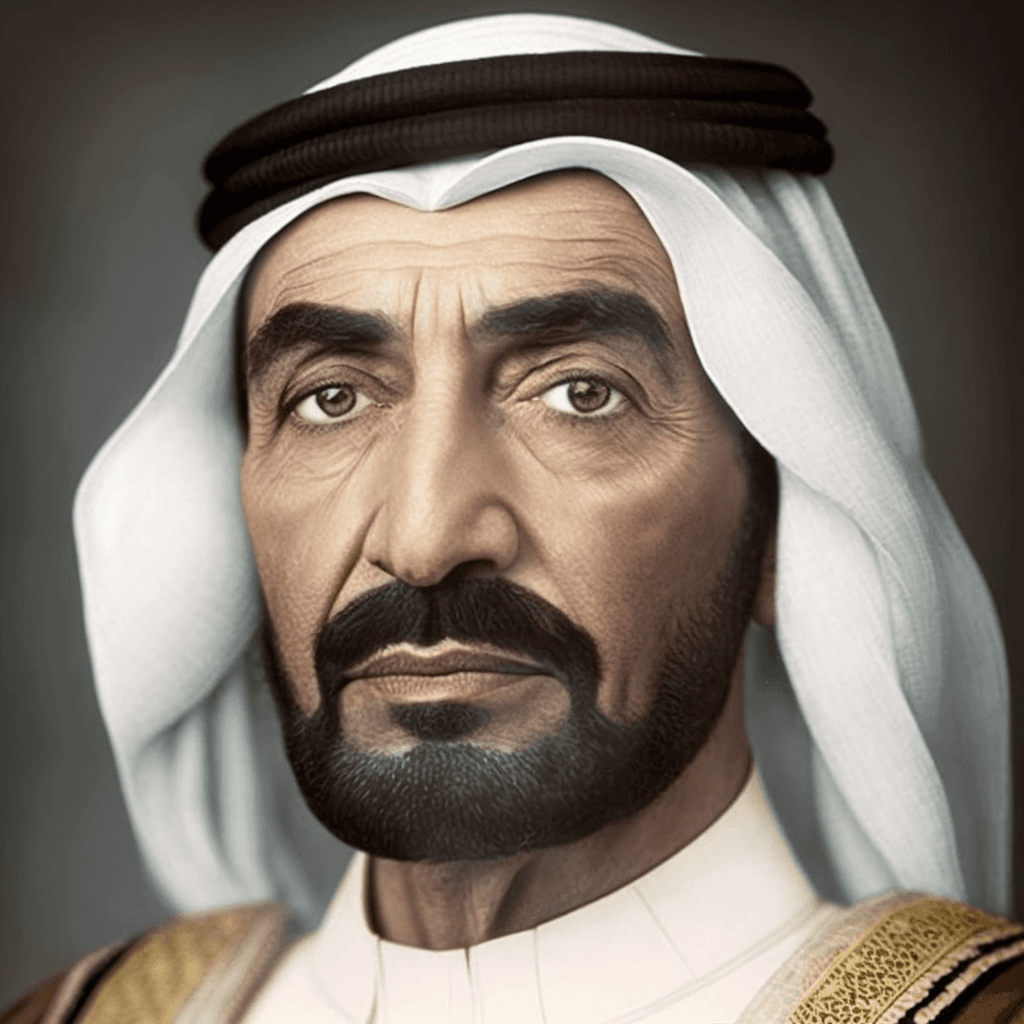
1918–2004
Founder of the UAE • Statesman
This is a read-only educational profile. Chat, Council Mode, and AI features are not available for historical figures.
Born around 1918 in Abu Dhabi, Sheikh Zayed bin Sultan Al Nahyan grew up in a Bedouin society where water and grazing rights shaped survival. Named ruler of Al Ain in 1946 and emir of Abu Dhabi in 1966, he used emerging oil wealth to build schools, hospitals, and housing rather than hoarding revenue for a narrow elite.
Zayed recognized that individual emirates could not secure their future alone. He negotiated with British officials and fellow rulers to form the United Arab Emirates on December 2, 1971, when seven emirates joined under a federal constitution. As president until his death, he balanced tribal consultation with centralized investment in infrastructure, aviation, and education.
His foreign policy favored Arab solidarity, mediation, and generous aid to developing nations. Zayed also championed environmental conservation, founding the Abu Dhabi Falcon Hospital and sponsoring reforestation projects in the desert. When he died in 2004, the UAE had become a financial hub and diplomatic bridge between East and West—a transformation inseparable from his patient, consensus-driven leadership.
Key moments across this figure's life and legacy
1918
Raised in the Al Nahyan ruling family amid the pearling economy and gradual discovery of oil resources.
1966
Assumed leadership and accelerated modernization using growing petroleum exports.
1971
Proclaimed federation on December 2; elected first president of the newly independent United Arab Emirates.
1990s
Increased overseas development assistance, establishing the UAE as one of the world's largest aid donors per capita.
2004
Mourned across the Arab world; national mourning reflected his status as founding father of the modern UAE.
Landmarks that define this figure's contribution to history
Led the 1971 unification of seven emirates into a federal state, serving as president for over three decades.
Directed revenues toward universal education, healthcare, and housing, raising living standards dramatically across the Gulf.
Positioned the UAE as a diplomatic intermediary in Arab disputes, emphasizing dialogue over prolonged confrontation.
Established protected areas and breeding programs for endangered species, including the Arabian oryx and falconry traditions.
How this figure shaped the world we inherit
Sheikh Zayed demonstrated how petro-state wealth could fund rapid modernization without entirely erasing tribal governance traditions. The federation he built became a model for Gulf stability, and his emphasis on tolerance and philanthropy shaped the UAE's international identity in the twenty-first century.
Explore more profiles from the same era or field
Curated educational resources for further study
Discover historical art and educational content on our media channels