Strait Navigation
Led first known transit of the strait connecting Atlantic and Pacific oceans.
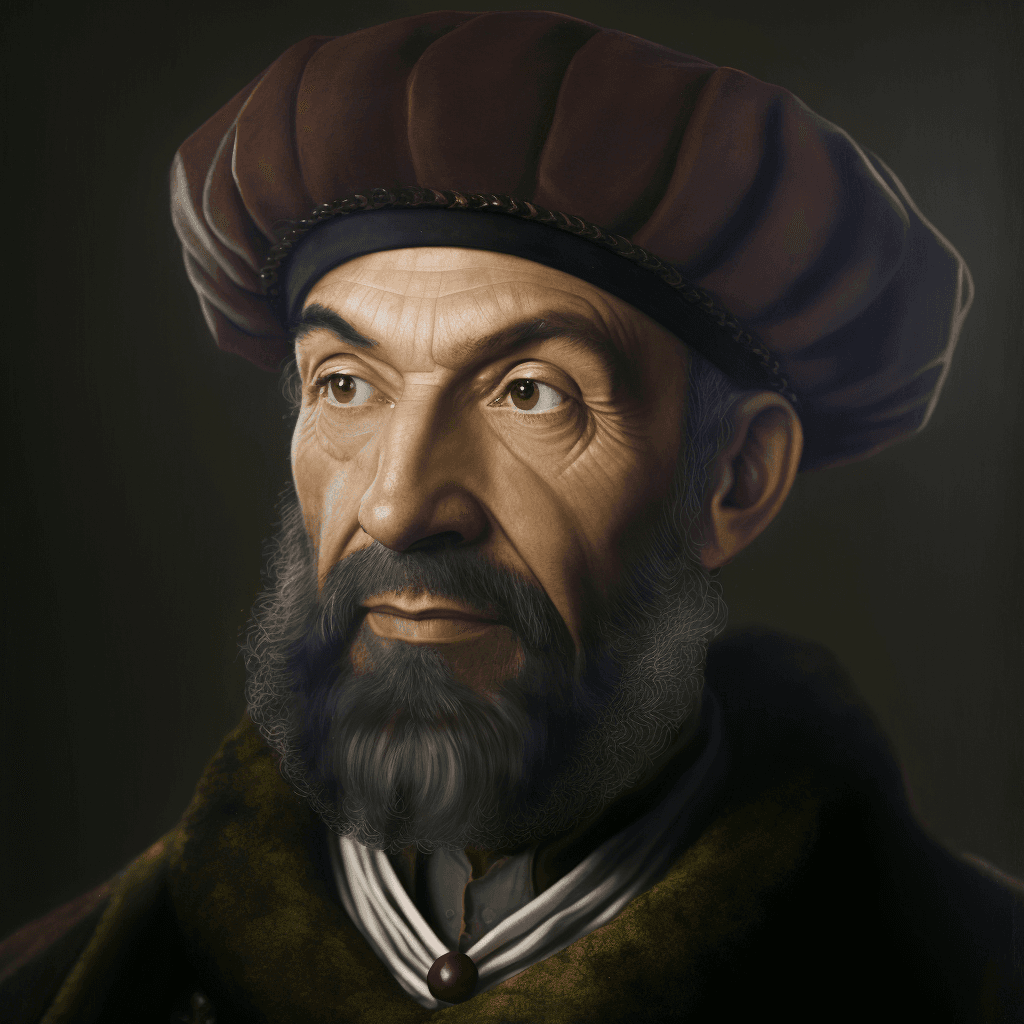
c.1480-1521
Navigator - Commander - Global Pathfinder
Ferdinand Magellan nació en la esfera portuguesa de expansión atlántica y adquirió experiencia naval temprana en viajes a India y el sudeste asiático. Tras disputas con las autoridades portuguesas, ofreció sus servicios a la corona española, proponiendo una ruta hacia el oeste hacia las Islas de las Especias. Su plan reflejaba tanto la rivalidad geopolítica como la creciente confianza en la navegación oceánica.
En 1519, Magellan lideró una flota multinacional desde España, cruzando el Atlántico y navegando por el peligroso estrecho en el extremo sur de América del Sur que ahora lleva su nombre. Al entrar en el Pacífico, demostró la vasta escala del océano y las severas demandas logísticas. Aunque Magellan fue asesinado en Filipinas en 1521, la tripulación sobreviviente bajo Juan Sebastián Elcano regresó a España en 1522.
La expedición proporcionó prueba práctica de la conectividad marítima global y transformó la cartografía europea, la estrategia comercial y la ambición imperial. Reveló tanto las posibilidades como la violencia de la expansión moderna temprana, incluyendo la coerción y el conflicto en regiones recién contactadas. El nombre de Magellan sigue vinculado a uno de los viajes más significativos de la historia.
Momentos clave en la vida y el legado de esta figura
c.1480
Born during the formative decades of European maritime expansion.
1519
Sailed with five ships to seek a westward route to the Spice Islands.
1520
Navigated dangerous southern channels into the Pacific Ocean.
1521
Killed in conflict on Mactan while expedition continued without him.
1522
Surviving crew completed first full circumnavigation under Elcano.
Hitos que definen la contribución de esta figura a la historia
Led first known transit of the strait connecting Atlantic and Pacific oceans.
Commanded the voyage that became the first completed circumnavigation of Earth.
Opened a practical route for transoceanic navigation and imperial logistics.
Contributed evidence that improved global maps and maritime planning.
Detalles notables sobre esta figura
Cómo esta figura moldeó el mundo que heredamos
La expedición de Magellan alteró fundamentalmente el conocimiento geográfico y la estrategia imperial al demostrar que un globo marítimo continuo podía ser atravesado. El viaje aceleró la integración comercial global, la expansión colonial y el intercambio ecológico a través de los océanos, al tiempo que expuso el costo humano de la conquista. Se erige como un evento clave en la aparición de la globalización moderna temprana.
Influencia duradera a través de generaciones
Magellan's expedition fundamentally altered geographic knowledge and imperial strategy by proving a continuous maritime globe could be traversed. The voyage accelerated global trade integration, colonial expansion, and ecological exchange across oceans, while also exposing the human toll of conquest. It stands as a pivotal event in the emergence of early modern globalization. Expedition Returns (1522) remains a defining moment in Ferdinand Magellan's enduring reputation.
Más perfiles de la misma época o campo
Recursos educativos seleccionados para profundizar
Inicia una conversación privada con Historical Collection AI.