Moscow University Co-Founding
Helped establish Russia's leading university as a center of Enlightenment learning.
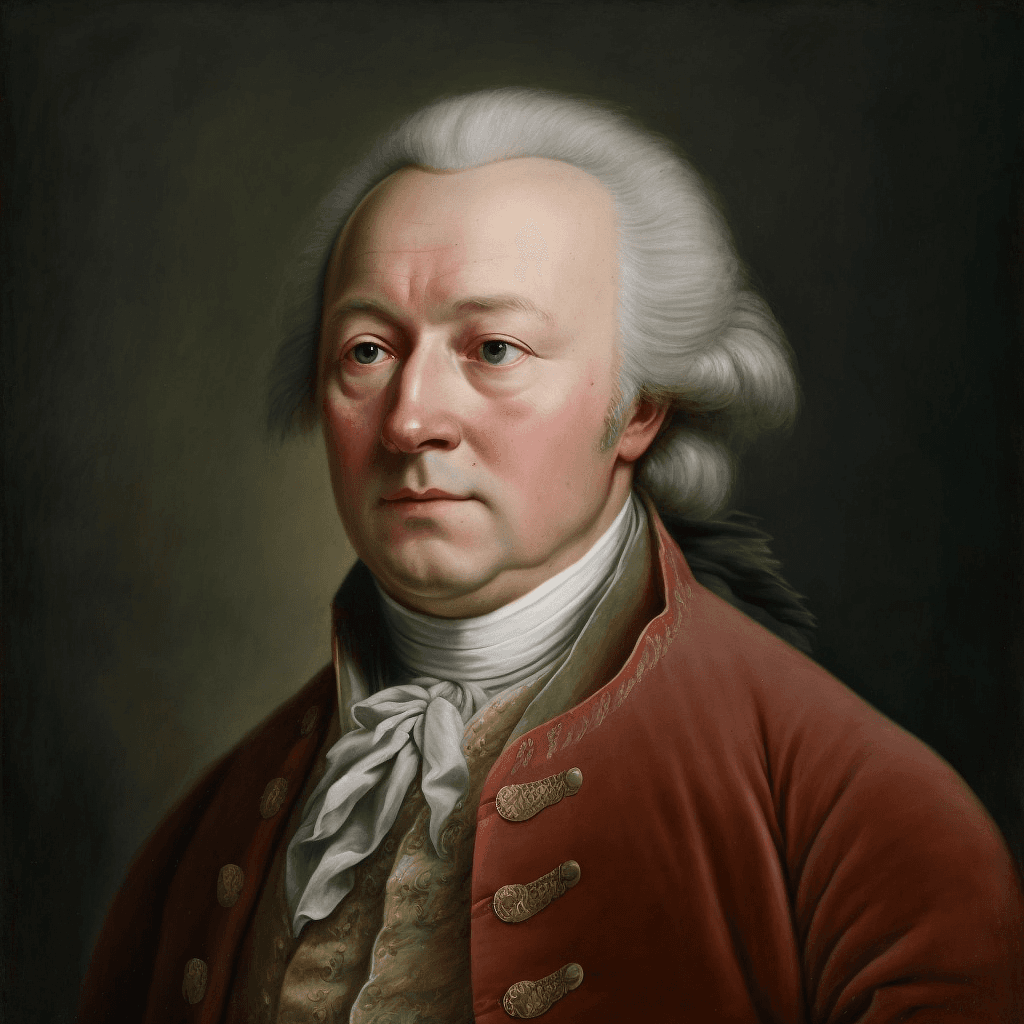
1711-1765
Polymath - Reformer - Institution Builder
Михаил Ломоносов (Mikhail Lomonosov) родился на севере России и приехал в Москву в молодом возрасте, чтобы получить формальное образование, несмотря на социальные барьеры. Он учился в учебных заведениях России и Германии, впитывая современные европейские науки, сохраняя при этом приверженность местному интеллектуальному развитию. Его карьера является примером интеграции естественной философии, языка и государственной реформы эпохи Просвещения.
В науке Ломоносов проводил работы в области химии, физики и атмосферных исследований, выступая за корпускулярные объяснения материи и внося вклад в ранние идеи сохранения. Он также сделал заметные наблюдения, связанные с планетарными атмосферами, и работал в стекольном производстве и экспериментировании с материалами. В литературе и лингвистике он помог стандартизировать русский литературный язык через грамматику и риторическую теорию.
Ломоносов сыграл ключевую роль в основании Московского университета в 1755 году, формируя высшее образование и научную инфраструктуру России. Его междисциплинарное творчество сделало его символической фигурой национальной научной модернизации. Он остается влиятельным в русской интеллектуальной истории как модель образовательной мобильности, институционального видения и синтеза различных областей.
Ключевые моменты жизни и наследия этой личности
1711
Born in northern Russia to a fishing family.
1730
Pursued advanced education through extraordinary personal effort.
1740s
Produced works in chemistry, physics, and materials science.
1755
Supported establishment of a major institution for higher learning.
1765
Died after shaping Russia's Enlightenment intellectual landscape.
Вехи, определяющие вклад этой личности в историю
Helped establish Russia's leading university as a center of Enlightenment learning.
Advanced early corpuscular ideas and experimental methods in natural science.
Contributed to codifying literary Russian through grammar and stylistic theory.
Reported observations associated with understanding the atmosphere of Venus.
Примечательные детали об этой личности
Как эта личность изменила мир, который мы унаследовали
Ломоносов помог закрепить науку и образование эпохи Просвещения в Российской империи, связывая исследования, языковую политику и институциональные реформы. Его работа способствовала появлению современной научной культуры, способной взаимодействовать с европейской наукой на более равных условиях. Как полиматическая фигура, он воплощает убеждение того времени, что знания могут быть мобилизованы для национального развития.
Влияние на последующие поколения
Lomonosov helped anchor Enlightenment science and education within the Russian Empire by linking research, language policy, and institutional reform. His work contributed to the emergence of a modern scholarly culture capable of engaging European science on more equal terms. As a polymathic figure, he embodies the period's conviction that knowledge could be mobilized for national development. Death in Saint Petersburg (1765) remains a defining moment in Mikhail Lomonosov's enduring reputation.
Другие профили той же эпохи или области
Подобранные образовательные ресурсы для дальнейшего изучения
Начните беседу и изучите мудрость через Historical Collection AI.