Practical Electric Lighting
Developed durable lamps and integrated systems for urban electrification.
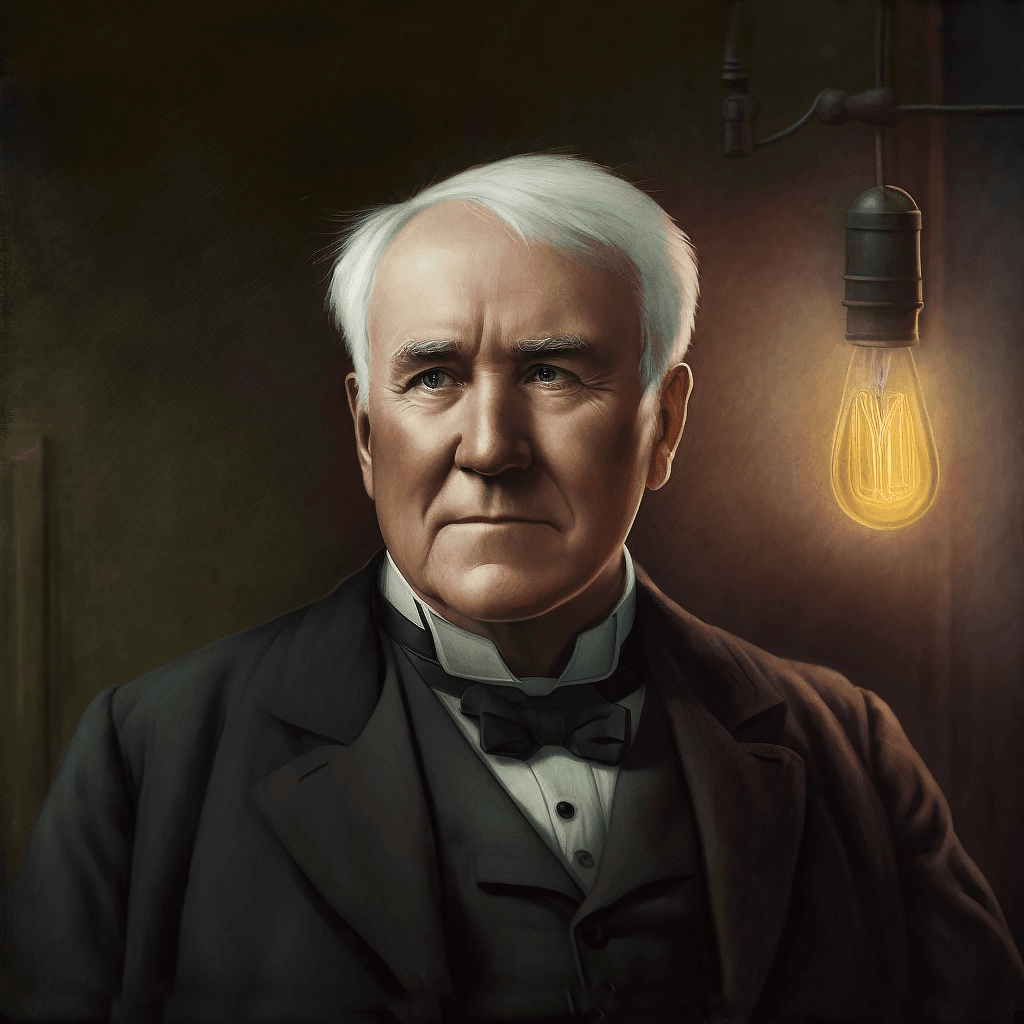
1847-1931
Inventor - Entrepreneur - Systems Builder
Томас Эдисон (Thomas Edison) родился в Огайо и работал телеграфистом, прежде чем полностью посвятить себя изобретениям и бизнесу. Его ранние патенты в области телеграфии и звукозаписи принесли ему капитал и известность в быстро индустриализирующихся Соединенных Штатах. Эдисон сочетал лабораторные эксперименты с коммерциализацией, что помогло определить современное предприятие НИОКР.
В Менло-Парке, а затем в Уэст-Оранже он возглавлял команды, разрабатывающие практические системы, а не изолированные устройства, включая электрическое освещение, распределение электроэнергии и усовершенствованные фонографы. Лампа накаливания не появилась в изоляции: Эдисон стремился к стандартам для патронов, генераторов, счетчиков и городской инфраструктуры. Его подход связывал проектирование, масштаб производства, стратегию патентов и рыночное внедрение.
Хотя не все достижения, связанные с Эдисоном, были исключительно его, его лаборатории продемонстрировали новую модель координированного технологического инновационного процесса. Он также сыграл важную роль в раннем оборудовании для кинематографа и росте электрической промышленности. Эдисон остается символом культуры изобретательства, продуктивности и напряженности между нарративами индивидуального гения и коллективным технологическим трудом.
Ключевые моменты жизни и наследия этой личности
1847
Raised in Michigan and entered technical work at a young age.
1877
Demonstrated a machine capable of capturing and reproducing speech.
1879
Achieved long-duration filament performance in practical prototypes.
1882
Opened one of the first central electric power stations in New York.
1931
Died after amassing over one thousand U.S. patents.
Вехи, определяющие вклад этой личности в историю
Developed durable lamps and integrated systems for urban electrification.
Created one of the first practical devices for recording and replaying sound.
Pioneered team-based invention processes in dedicated R&D facilities.
Contributed to early camera and viewing systems in the film industry.
Примечательные детали об этой личности
Как эта личность изменила мир, который мы унаследовали
Эдисон помог сделать изобретательство промышленным процессом, связанным с инфраструктурой, инвестициями и массовым принятием. Электрификация преобразила городскую жизнь, производство, коммуникацию и досуг, в то время как его лабораторная модель повлияла на корпоративную исследовательскую культуру XX века. Его наследие отражает как творческий потенциал, так и конкурентную напряженность технологической современности.
Влияние на последующие поколения
Edison helped make invention an industrial process linked to infrastructure, investment, and mass adoption. Electrification transformed urban life, manufacturing, communication, and leisure, while his laboratory model influenced twentieth-century corporate research culture. His legacy captures both the creative potential and competitive intensity of technological modernity. Death in New Jersey (1931) remains a defining moment in Thomas Edison's enduring reputation.
Другие профили той же эпохи или области
Подобранные образовательные ресурсы для дальнейшего изучения
Начните беседу и изучите мудрость через Historical Collection AI.